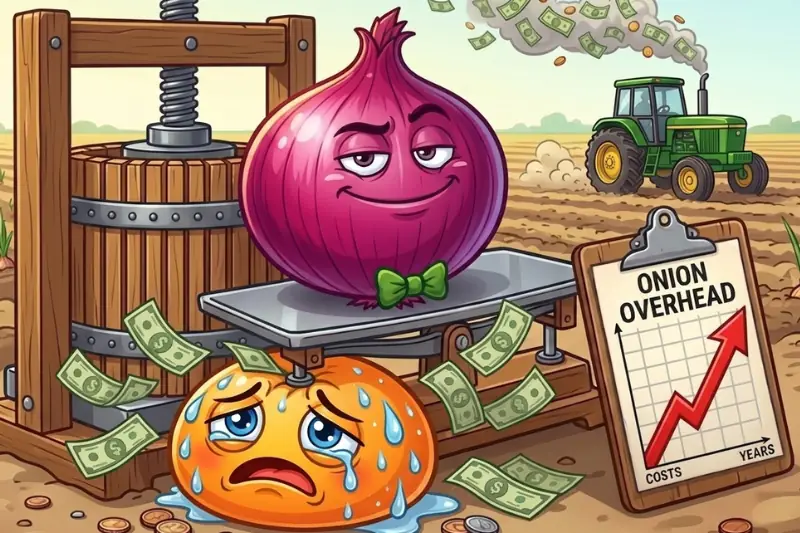
Growing onions can be rewarding. However, they can also become more expensive than many growers expect. Seed or sets, fertiliser, irrigation, labor, and storage losses all shape the final result. That is why this onion growing cost calculator helps you estimate cost per bulb, cost per kg/lb, and expected profit before the season moves too far.
Whether you are planting a backyard bed, a market garden, or a small open field plot, better planning leads to better decisions. Instead of guessing, you can enter your own figures and quickly see how your choices affect the final margin.
Why Onion Growing Costs Often Surprise Growers
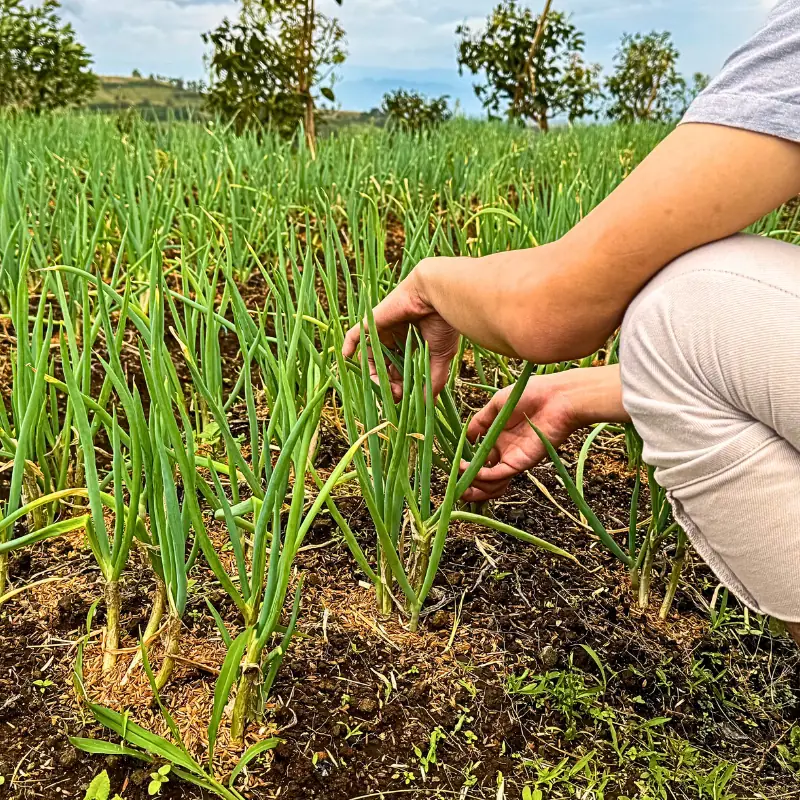
At first glance, onions look like a simple crop. Even so, several small decisions can quietly raise costs.
For example, sets can save time, but they usually cost more than seed. Likewise, tighter spacing may increase plant count, yet smaller bulbs can reduce market value.
In the same way, late irrigation may seem harmless, but it can increase storage risk and reduce saleable yield later on.
As a result, onion profit is rarely decided by one input alone. Instead, it depends on how all the major cost factors work together.
How the Onion Growing Cost Calculator Helps
This calculator is designed to connect growing decisions with financial outcomes. In practical terms, it helps you estimate:
cost per bulb
cost per kg/lb
total growing cost
expected income
estimated profit or loss
Therefore, it is useful not only for home growers selling surplus, but also for market gardeners and small-scale producers who want more realistic crop planning.
Seed, Sets, or Transplants: Your First Cost Decision
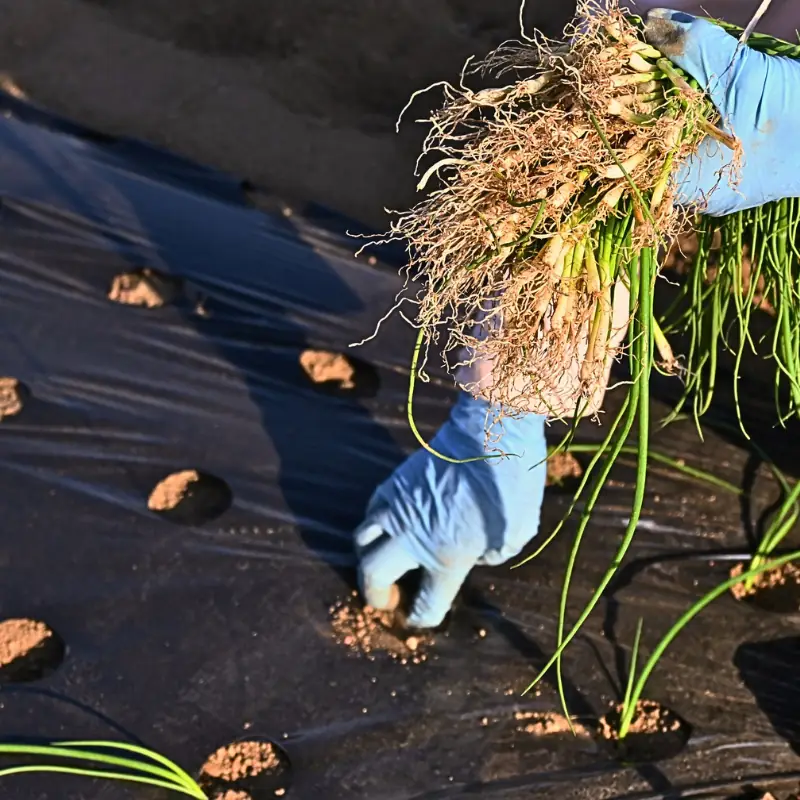
Your starting method affects the budget from the beginning.
Seeds are usually cheaper per plant. However, they require more time and careful early management. Sets establish faster, but they often cost more and can carry a greater bolting risk under the wrong conditions.
Transplants, meanwhile, offer a practical middle ground for growers who want a stronger start without raising every plant from seed.
Because of this, your first decision already changes the cost baseline.
Spacing Affects Yield, Bulb Size, and Profit
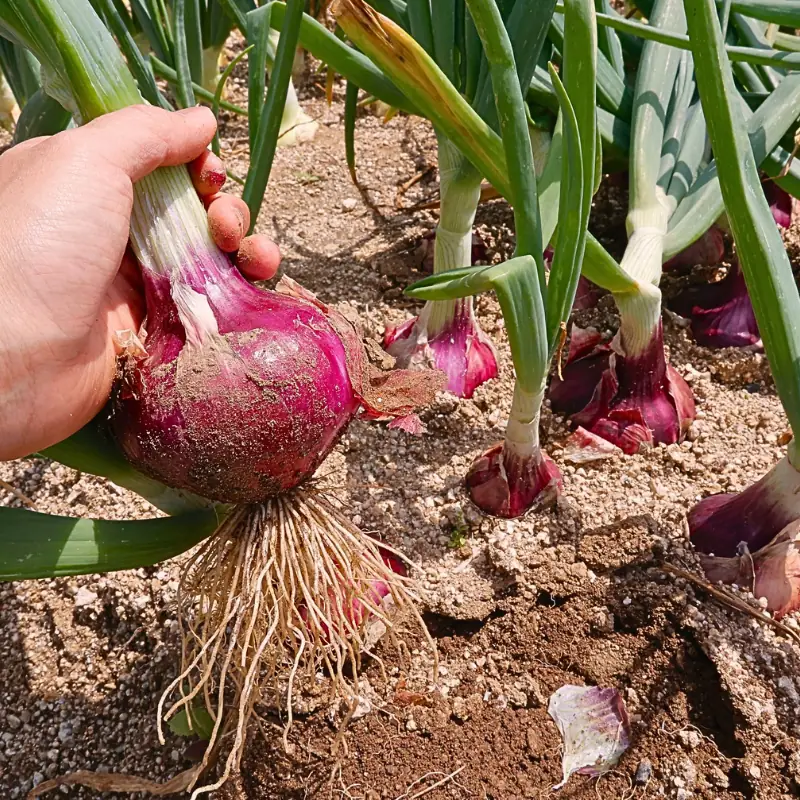
Spacing is not only a growing detail. It is also a financial decision.
Closer spacing can increase the number of onions per square metre or square foot. However, it can also reduce average bulb size and increase competition. Wider spacing may improve bulb size, yet it lowers plant population.
Therefore, the calculator helps you test these trade-offs before planting. That way, you can decide whether you want higher bulb count, larger bulb size, or a balance between the two.
Fertilizer and Water Need Good Timing
Input cost alone does not tell the full story. Timing matters just as much.
In the early growth stage, onions need enough nutrition to support healthy leaf development. Later on, though, excessive nitrogen can delay maturity and reduce storage quality. Similarly, irrigation supports bulb growth, but watering too close to harvest may increase storage problems.
Accordingly, this calculator works best when you treat fertiliser and irrigation as management decisions, not just expense lines.
Why Are My Onions So Small?
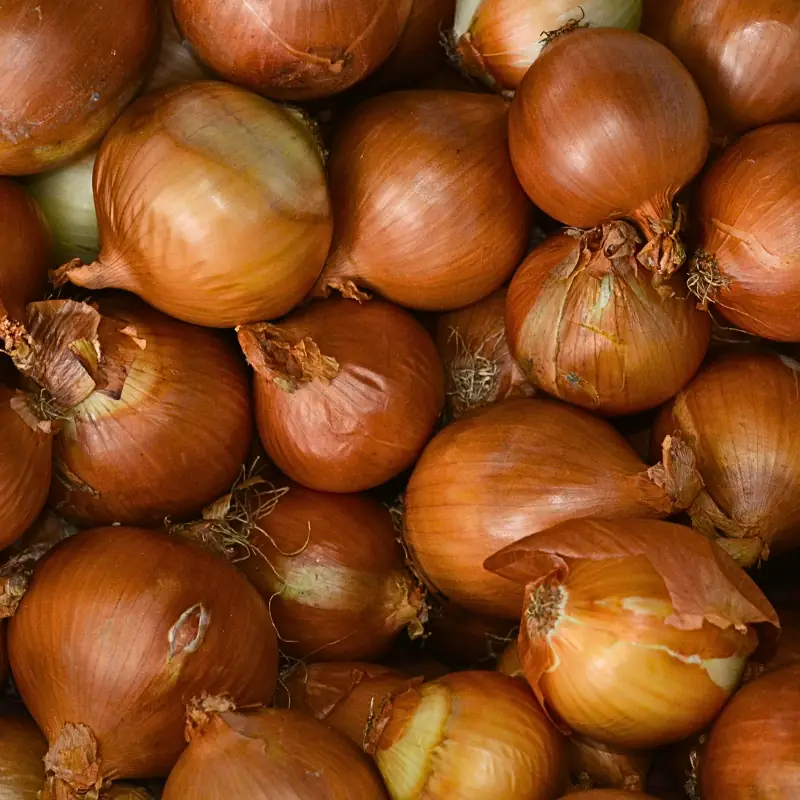
This is one of the most common grower questions, and for good reason. Small bulbs reduce both yield value and marketability.
In many cases, variety choice is the hidden problem. As explained in the University of Minnesota Extension guide on growing onions, onion bulbing depends on day length, which means the right type must match your location. Therefore, if the variety does not suit your latitude, extra inputs will not fully fix the problem.
At the same time, early stress also reduces bulb size. Poor spacing, weed pressure, uneven moisture, and weak nutrition can all limit leaf development. As a result, final bulb size and profit often drop together.
Curing and Storage Losses Change the Real Numbers
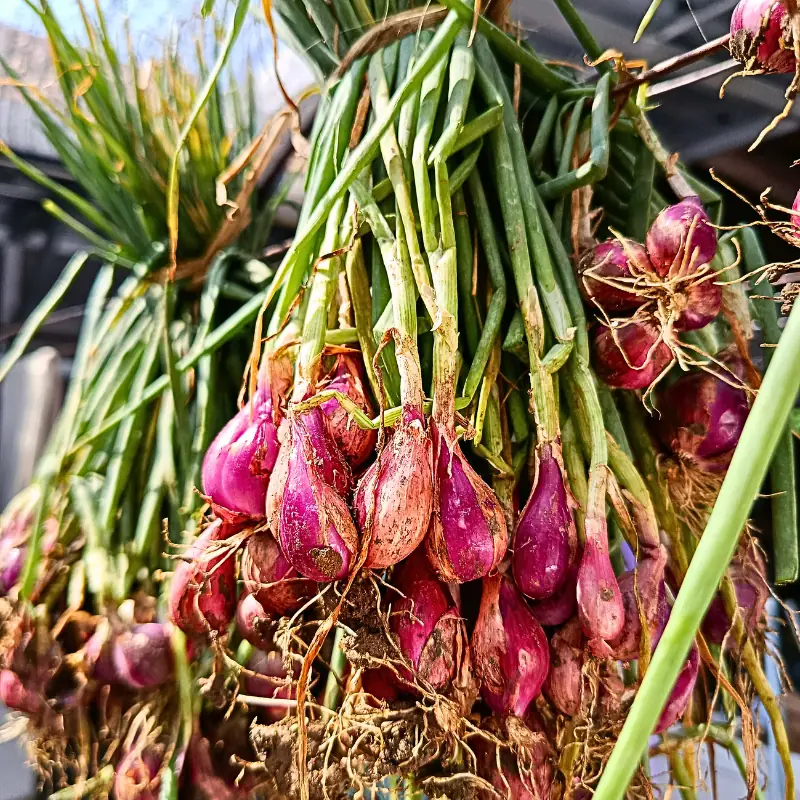
Many growers stop calculating at harvest. However, harvest weight is not always saleable weight.
According to the University of Minnesota Extension postharvest handling guide, onions are generally cured when the necks are dry, which usually takes around 3 to 4 weeks under good airflow. Consequently, proper curing should be treated as part of the production system, not as an afterthought.
In addition, storage disease can quietly reduce profit. The Utah State University Extension guide on neck rot shows that poor curing, late nitrogen, and irrigation too close to harvest can all increase losses. Therefore, a realistic onion growing cost calculator should always include storage loss assumptions.
Estimate Onion Profit Before You Plant
One of the biggest benefits of this onion growing cost calculator is that it helps you test profit before spending more money.
If your expected selling price already looks too low against your cost per kg/lb, you can still adjust spacing, input use, yield expectations, or marketing assumptions early. In contrast, if you wait until harvest, most of the cost is already locked in.
For that reason, this calculator is more than a simple total. It is a planning tool for Vegetable gardening, smarter budgeting, and more informed Sustainable farming decisions.
Final Takeaway
Good onion growing is not only about producing bulbs. It is also about understanding what those bulbs cost you.
Use the onion growing cost calculator below to test realistic scenarios, compare your assumptions, and estimate profit with more confidence. A few careful adjustments on paper today can save time, money, and frustration later in the season.
You can also explore our wider collection of agriculture calculators to compare onion costs with other crops and plan your season more confidently.
Help
Calculate Your Delivery Distance
Production cost is only part of the story. If you deliver to a processor, wholesaler, fresh market, or supermarket, distance affects fuel, time, labor, and scheduling.
👉 Use Google Maps: https://www.google.com/maps to check the real travel distance to your buyer and treat delivery as part of the margin discussion, not as an afterthought.
.

Why are my onions not making bulbs?
Onions often fail to bulb properly when the variety does not match the local day length. Short-day, intermediate-day, and long-day onions respond differently to daylight, so the wrong type can lead to poor bulb formation even if the crop looks healthy at first. Planting time and general crop stress can also contribute.
What do short-day onions mean, and why does it matter?
Short-day onions begin bulbing when day length reaches a lower threshold than intermediate-day or long-day onions. This matters because choosing the wrong onion type for your region can reduce bulb size, delay bulbing, or cause the crop to underperform.
Why are my onions so small?
Small onions are often caused by overcrowding, weak leaf growth, poor fertility timing, uneven watering, variety mismatch, or harvesting too early. Even if the field produces a lot of bulbs, smaller sizes may reduce market value and overall profitability.
How far apart should I plant onions?
That depends on whether you want larger bulbs or a higher number of smaller bulbs. Closer spacing can increase plant count, but it may also reduce average bulb size, so spacing directly affects both yield and marketable grade.
How much onion seed do I need per acre?
The amount of seed you need depends on planting method, spacing, target population, and desired bulb size. Seed rate is not only a planting issue — it also affects stand establishment, bulb uniformity, and final production cost.
What onion yield per acre is realistic?
There is no single fixed answer because onion yield depends on variety choice, spacing, irrigation, fertility, weed pressure, pest control, and curing success. A realistic estimate should consider both total field yield and the share that will actually be saleable.
How many bags of onions can one acre produce?
That depends on your saleable yield and the bag size you actually use in your market. You first estimate total marketable weight, then divide it by your chosen bag size. Losses from rot, splits, grading, and shrink should also be considered because not every harvested bulb ends up in a saleable bag.
When should I stop watering onions?
Watering usually needs to be reduced or stopped near the end of the crop so bulbs can mature properly and cure better after harvest. Late watering can affect neck thickness, curing, and storage quality, which makes this a production and postharvest decision, not just an irrigation one.
Do onions need to be cured after harvest?
Yes. Curing helps dry the neck and outer skin so onions store better and handle transport more safely. Curing shrink is also worth watching because some weight is naturally lost before the onions reach a stable storage condition.
What is the best way to control weeds in onions?
Weed control is one of the biggest onion-production cost questions because onions compete poorly with weeds early on. Growers often compare hand weeding, mulch, and herbicide-based programs depending on labor availability, field size, and budget, so it is both an agronomy issue and a cost-planning issue.