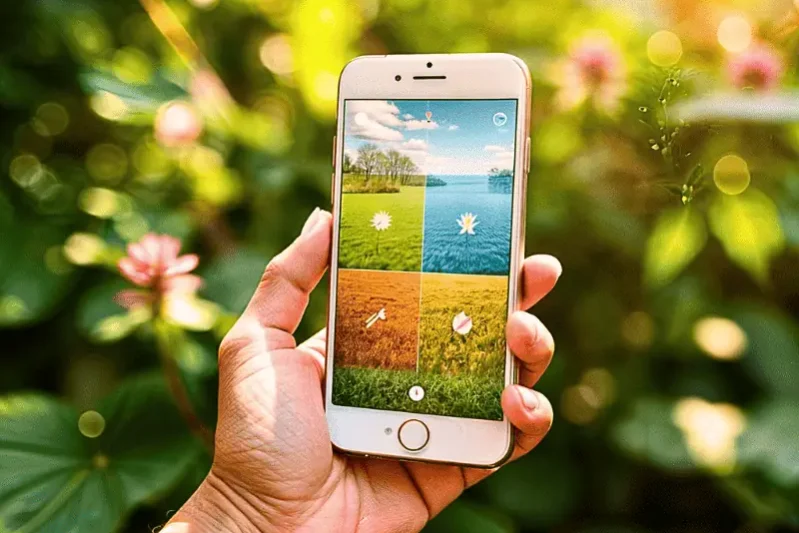
Why Smart Gardening Gadgets Are a Game-Changer
Gardening has always combined science and creativity, but today’s Smart Gardening Gadgets elevate the experience dramatically.
Initially, I thought that advanced garden gadgets seemed suited only to large-scale farms. However, experimenting with these tech-driven garden planning tools completely changed my perspective.
Now affordable and accessible, these tools significantly reduce labor and enhance efficiency for gardeners at any scale
The Rise of Smart Gardening Technology
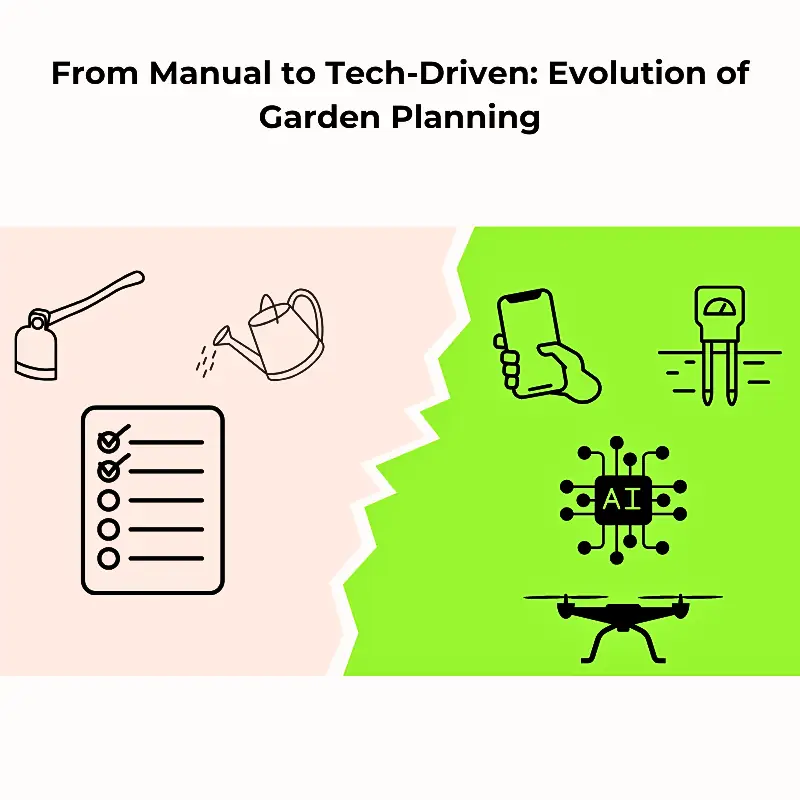
Tech-driven Garden planning tools are transforming gardening practices by integrating AI, IoT, and precision mapping technology.
Whether mapping vegetable gardens, monitoring soil health, or automating irrigation, technology offers practical and efficient solutions.
Benefits of Smart Gardening Gadgets for Small Gardens
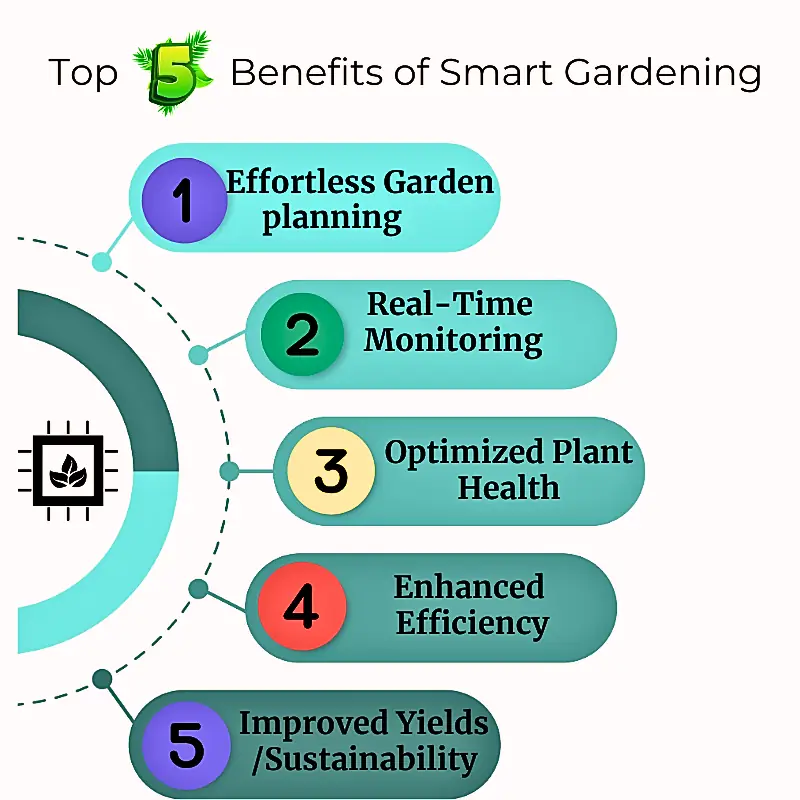
Smart gadgets help optimize limited space, monitor plant health in real-time, and automate tedious gardening tasks, allowing gardeners to focus more on creativity and plant care.
Best Smart Gardening Gadgets and Apps for Your Garden
Garden planning apps have revolutionized the organization and management of home gardens, aiding gardeners at all skill levels to optimize space and yields.
AI-Powered Apps for Optimal Garden Layouts
AI-driven garden apps analyze climate, soil health, and plant compatibility, providing optimized layouts that eliminate guesswork and enhance productivity.
Check out How AI and NASA Assist Gardeners
Companion Planting Made Easy with Smart Apps
Apps like Gardenate and Planter simplify companion planting, improving biodiversity and maximizing crop yields through accurate planting schedules.
Discover the ancient wisdom and science behind companion planting through our comprehensive guide to vegetable pairings and learn how to maximize your harvest in limited spaces with these innovative small-space combinations.
Choosing Between Free and Premium Garden Planning Tools
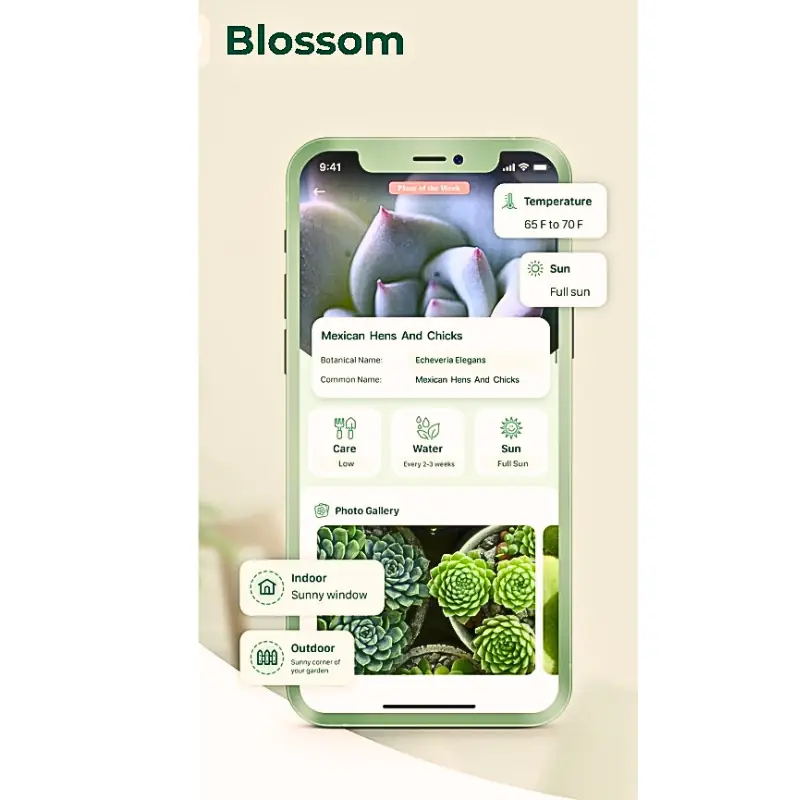
(Screenshot from the Blossom App demonstrating its user-friendly interface)
Smart Gadgets to Elevate Your Gardening Experience
Technology in gardening extends beyond apps to smart gadgets that monitor conditions, automate processes, and optimize garden management.
IoT Soil Sensors: Real-Time Garden Monitoring
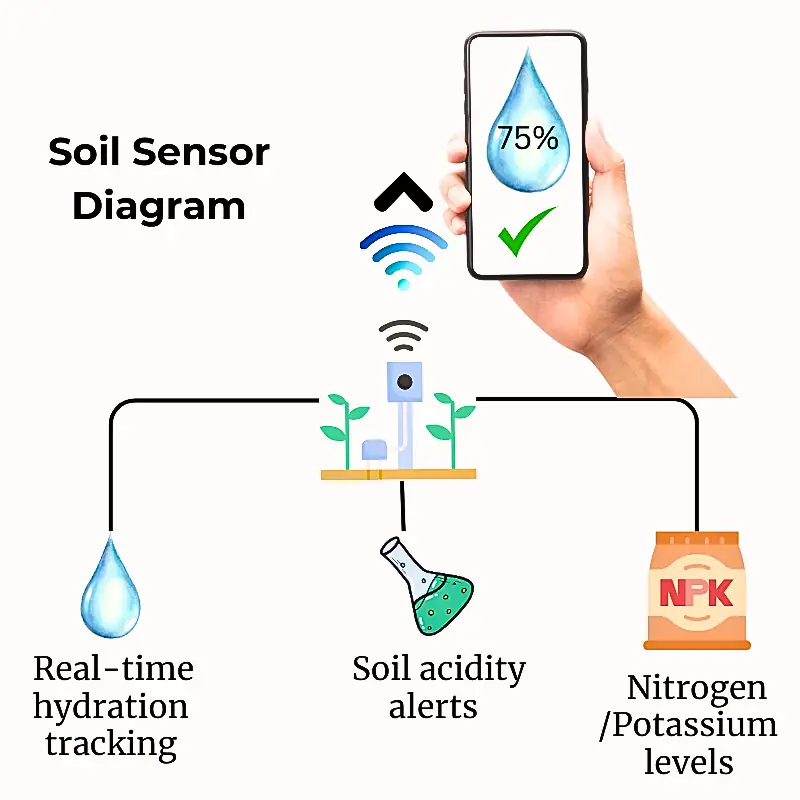
IoT sensors offer live data on moisture, nutrients, and pH levels, synced directly to apps, significantly enhancing plant care and garden efficiency.
Drone Technology: Precision Mapping for Gardeners
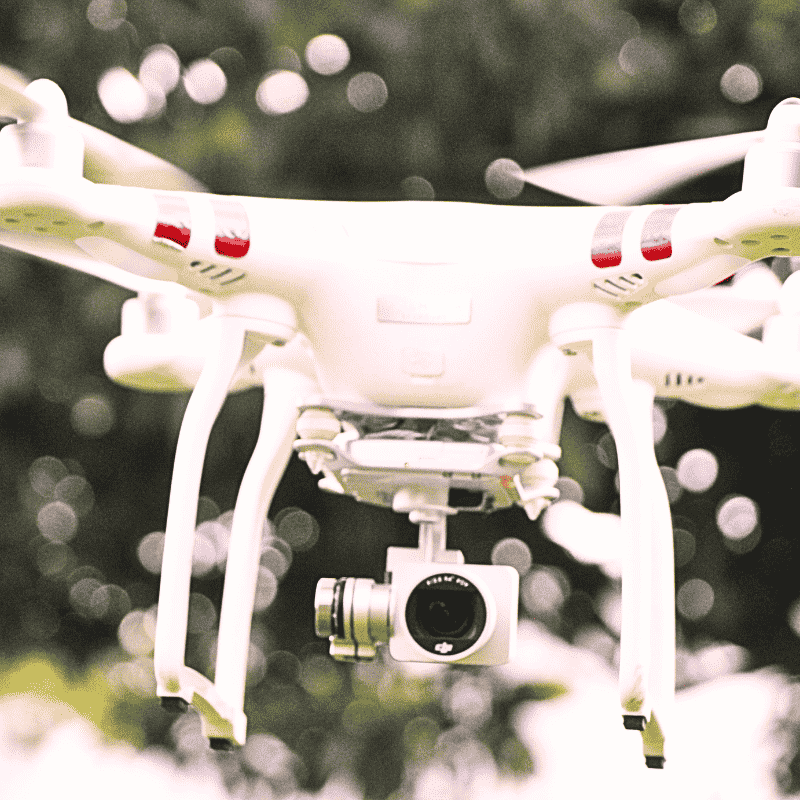
Drones provide detailed garden layouts through aerial imaging, especially beneficial for larger gardens and urban agriculture, offering precision and scalability.
Budget-Friendly Smart Gardening Gadgets for Beginners
Tech-driven Garden planning doesn’t have to be costly. Beginner-friendly, affordable options include:
Free garden planning apps
Low-cost IoT soil sensors
Open-source garden layout software
Weather-integrated gardening apps
Final Thoughts: Embracing Smart Gardening Gadgets for Efficiency
Smart gardening gadgets have become essential tools, maximizing efficiency, enhancing plant health, and improving overall garden productivity.
Embrace these innovations for a smarter, more enjoyable gardening experience.
Which of these tools have you found most helpful? Share your experiences below!
Are smart gardening gadgets worth it for a small backyard, balcony, or vertical garden?
They can be, if you choose the right tools. Even for a tiny balcony, patio, or vertical gardening setup, one or two smart gadgets can save time and reduce plant stress.
A simple smart irrigation timer or soil moisture sensor can prevent overwatering (very common in containers) and stop pots from drying out when you’re busy or away.
You don’t need a whole “smart farm” – just a high-impact device that fixes your biggest pain point, like watering or monitoring plant/soil health. Start small, see the benefit, then add more only if they genuinely improve your vegetable gardening or urban container garden.
Should a beginner gardener use smart gadgets, or learn the basics first?
It’s best to learn the basics while using gadgets as gentle helpers. Smart tools can actually teach you faster – for example, a soil sensor’s readings train you to recognize when soil is truly dry.
Many beginners worry about “killing everything,” and a good app or device provides reminders and simple tips so you don’t miss key tasks. You absolutely can garden without tech, and many organic farming and regenerative agriculture practices are low-tech by nature.
Think of gadgets as optional training wheels: they boost your confidence at the start, and over time you’ll rely more on your own feel for the plants.
Which smart gardening device will benefit me the most if I only get one?
Pick the tool that solves your biggest daily headache. For most home gardeners, a smart water controller or timer is the single best upgrade – it automates watering, can be paired with drip irrigation, and often skips cycles when rain is forecast.
That’s climate-smart cultivation in practice: saving water, protecting roots, and keeping soil moisture more stable. If watering is already under control, a smart soil sensor that tracks moisture (and sometimes light/temperature) is an excellent “early warning system” for plant stress in raised beds, pots, or indoor planters.
Indoor growers might get the most value from a good garden planning app that tracks tasks for each plant.
Do smart gardening gadgets actually make gardening easier, or do they just complicate things?
Used thoughtfully, they make things easier by handling repetitive tasks and giving you clearer information. A smart moisture sensor means you check your phone instead of guessing by touch. An automated drip system with a timer means you’re not dragging hoses every evening.
Many gardeners find that these small automations free up time for fun jobs like pruning, harvesting, or experimenting with new crops. The risk is over-complicating things with too many apps and devices.
Start with one simple, reliable tool and build from there. When you treat gadgets as supportive AgTech innovations – not as a replacement for observing your plants – they genuinely simplify your routine.
Sometimes, yes – and it’s good to check before buying. Many devices include a free companion app, but some offer optional paid upgrades for advanced analytics or extra cloud storage.
You may also have small ongoing costs like batteries or occasional replacements for sensors that live outdoors. A few products use subscription models for premium features or historical data, but you usually don’t need a subscription for basic watering or monitoring.
There can also be “soft” costs like extra fittings, hoses, or connectors if you’re building a smart irrigation setup. On the flip side, climate-smart irrigation can lower your water bill and protect soil health, which is money saved over time.
Do smart gardening devices need Wi-Fi or internet to work?
Many do, but not all. Wi-Fi-connected controllers and IoT farming solutions can pull local weather data, send notifications to your phone, and let you manage your garden remotely.
If the internet drops, most will still follow their last saved schedule, so your plants won’t be abandoned; they just won’t get live updates. Some gadgets are Bluetooth-only and sync with your phone when you’re nearby, and a few systems are designed to run fully offline with basic timers and sensors.
If your garden Wi-Fi is weak, look for products that mention Bluetooth, local control, or offline modes so your smart irrigation or sensors stay dependable even without constant internet.
Will these garden apps and devices work outside the US (in the UK, Europe, Australia, Asia, etc.)?
Usually yes, but you may need to tweak settings and choose the right version. Most garden planning apps let you set your location, climate zone, and units (metric/imperial), so they can adapt to UK, European, Australian, or Asian conditions.
In the Southern Hemisphere, you’ll want to double-check planting calendars because seasons are reversed. Hardware is a bit more specific: smart controllers and pumps may have different models for 110V vs 230V power, or different hose and tap fittings.
Before you buy, confirm that the device supports your country’s voltage and local standards. Once those basics are covered, urban agriculture technology and smart tools can work well in most regions.
Are smart garden devices weatherproof? Can I leave sensors and controllers outside all year?
Most outdoor-rated devices are built to handle normal rain, sun, and garden splashes, but it’s important to check their IP rating and manufacturer guidelines. Quality soil moisture probes and irrigation controllers are water-resistant and fine to leave in raised beds or mounted near a tap.
However, extreme heat, strong UV, and hard freezes can shorten their lifespan. In very cold winters, it’s wise to bring smaller sensors indoors or protect them, just as you would winterize irrigation lines.
In very hot climates, a bit of shade or a small cover can protect plastic parts. In short, they’re tough enough for typical garden weather, but treating them like good tools – stored or sheltered in harsh extremes – will keep them working longer.
How accurate are soil sensors and plant monitoring gadgets?
Good mid-range sensors are accurate enough for home and small-scale vegetable gardening. They may not match lab-grade instruments, but they’re very good at answering practical questions like “Is this pot too dry?” or “Is my bed staying consistently moist?”
Temperature readings are usually close to local weather reports, and light sensors are helpful for checking whether a spot is truly “full sun” or more like partial shade. Most consumer devices are less reliable for precise nutrient or pH measurements, so traditional soil testing is still the gold standard there – especially for more serious organic farming and regenerative agriculture work.
Treat gadget data as a guide you combine with your own observations rather than as absolute truth.
Can smart tools really prevent common plant problems like overwatering or pests?
They can significantly reduce some problems, especially watering issues. Overwatering and underwatering are two of the main reasons plants struggle, and smart irrigation plus moisture sensors are excellent at keeping soil in a healthier range.
That alone improves plant/soil health and resilience. For pests and diseases, tech is more about early warning and better decisions. AI plant ID apps can help you recognize problems faster, and simple cameras or smart alerts can show you when animals are disturbing beds or containers.
However, no gadget will automatically remove aphids or cure mildew – you still need good gardening habits, crop rotation, healthy soil, and sometimes organic controls. Think of smart tools as part of a climate-smart, sustainable farming mindset: they help you respond early and avoid stress, but they don’t replace basic horticultural practice.
What happens if the app or company behind my smart garden gadget disappears?
It depends on how cloud-dependent the device is. Many smart controllers store your watering schedule locally, so they will keep running even if the company shuts down – you just might lose remote access or new features.
Devices that “only” work through a cloud app are more vulnerable; if the servers go offline, the “smart” part can stop functioning. To reduce that risk, look for products that offer local control (buttons on the unit, a local web interface, or integration with broader smart home platforms).
It’s also worth backing up any important garden plans or notes outside the app. In the worst case, your smart tool usually falls back to being a dumb timer, sensor, or container – your garden doesn’t vanish, and you can migrate to another solution when you’re ready.
Are drones or AI mapping tools actually useful for a home garden?
For most home gardens, drones are a nice-to-have rather than a must-have. They’re more relevant once you move into larger plots, orchards, or small regenerative agriculture projects.
That said, a simple drone photo can give you a great aerial view for planning beds, paths, or vertical structures like trellises and tunnels. More accessible for everyday gardeners are AI-powered garden planning apps and mapping tools: you enter your space and goals, and they suggest layouts, crop placements, or companion planting ideas.
Some can help you rotate crops or plan climate-smart cultivation across seasons. Used lightly, these tools support better design and fewer mistakes, especially in small urban gardens where every square meter counts.