Space-Saving Garden Path Ideas: Maximizing Beauty & Function
Understanding Space-Saving Garden Path Ideas
Have you ever struggled to create a garden path in a small space? Finding the right balance between accessibility and greenery can be tricky, but space-saving garden path ideas offer solutions that maximize beauty and function.
For example, paths that double as herb gardens or incorporate edible groundcovers like thyme or creeping rosemary add utility without sacrificing aesthetics.
With strategic planning and innovative materials, creating beautiful, functional pathways that optimize space is possible.
Why Space-Saving Garden Pathways Matter
A well-designed garden path is more than just a way to move around. It is an integral part of the garden’s structure, helping create a sense of flow and organization.
Space-saving pathways can also act as microclimates—sunny gravel paths radiate heat to warm nearby plants, while shaded mulch paths retain moisture for shade-loving species.
Adapting Space-Saving Path Ideas to Any Garden Size
Whether you have a tiny urban garden, a rooftop green space, or a backyard filled with raised beds, space-efficient garden paths help maintain order while enhancing the overall aesthetic.
The right design improves drainage, defines zones, and even provides planting space.
Design Principles for Space-Saving Garden Paths
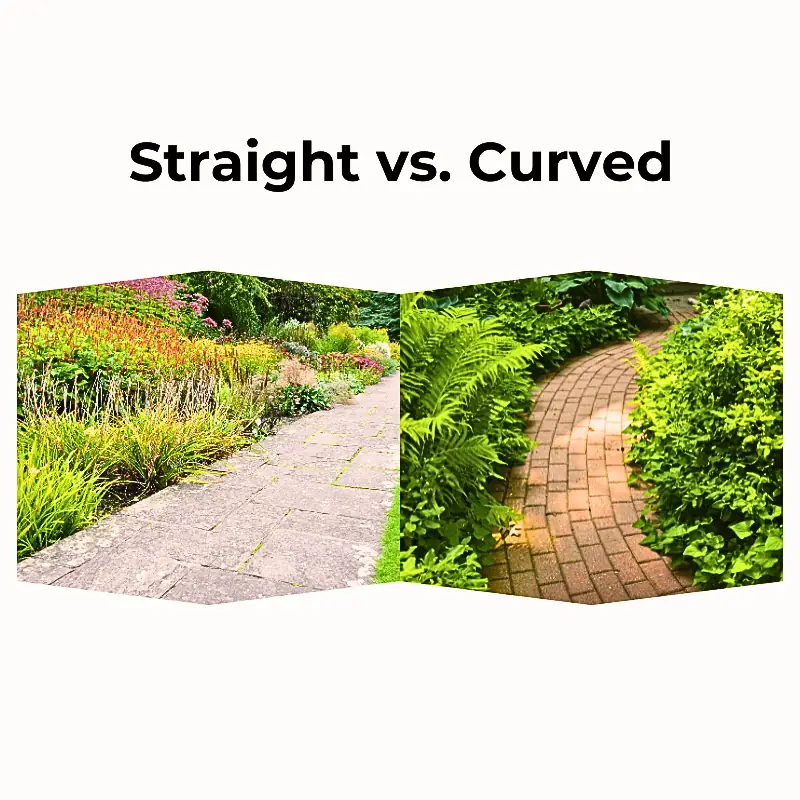
The key to maximizing space while incorporating paths lies in thoughtful design. Prioritize “quiet” paths (narrow, minimalist) in low-traffic zones and “active” paths (wider, durable) in high-use areas. Here’s what works best:
Curved vs. Straight Paths: Curved paths add an organic feel and fit into tight spaces, while straight paths optimize accessibility. Curves also slow movement, encouraging mindfulness in small gardens.
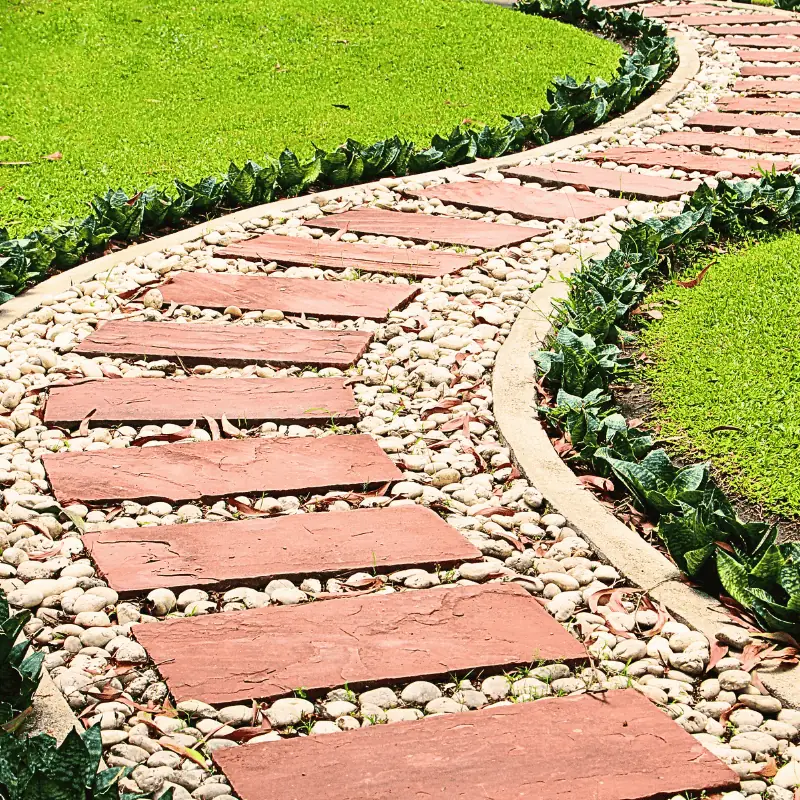
Narrow Walkways: Choose steppingstones, gravel, or grassy paths instead of complete paved walkways. Leave gaps between stones for groundcover plants like sedum or moss to soften edges.
Vertical Integration: Use raised beds or wall planters to free up ground space while maintaining accessibility.
Multi-Functional Paths: Design paths that double as seating, storage, or water drainage channels. Example: Hollow pavers filled with soil for succulents.
Alternating Materials: Mix grass, gravel, and stone to create visually dynamic yet space-efficient paths.
Edging Solutions: Use low-profile edging (e.g., steel strips) to maintain definition without taking up excessive space.
Not all gardens are perfectly level—some come with slopes and tricky terrain. If you’re dealing with a challenging landscape, this article has detailed, practical solutions to help you turn it into a functional and beautiful space!
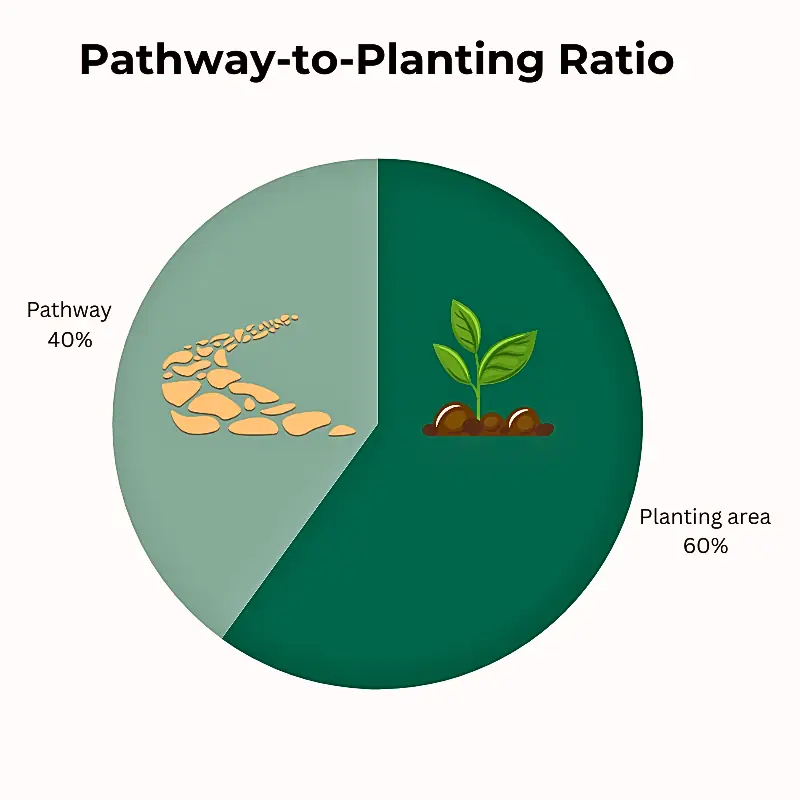
Pro Tip: Small-space gardening requires balance—pathways should be functional without overwhelming planting areas. A 60:40 planting-to-pathway ratio often works well for most compact gardens, ensuring easy access without wasted space. For wheelchair-accessible designs, widen paths to 90cm (35 inches) and use non-slip surfaces.
Tech-Driven Space-Saving Garden Path Ideas
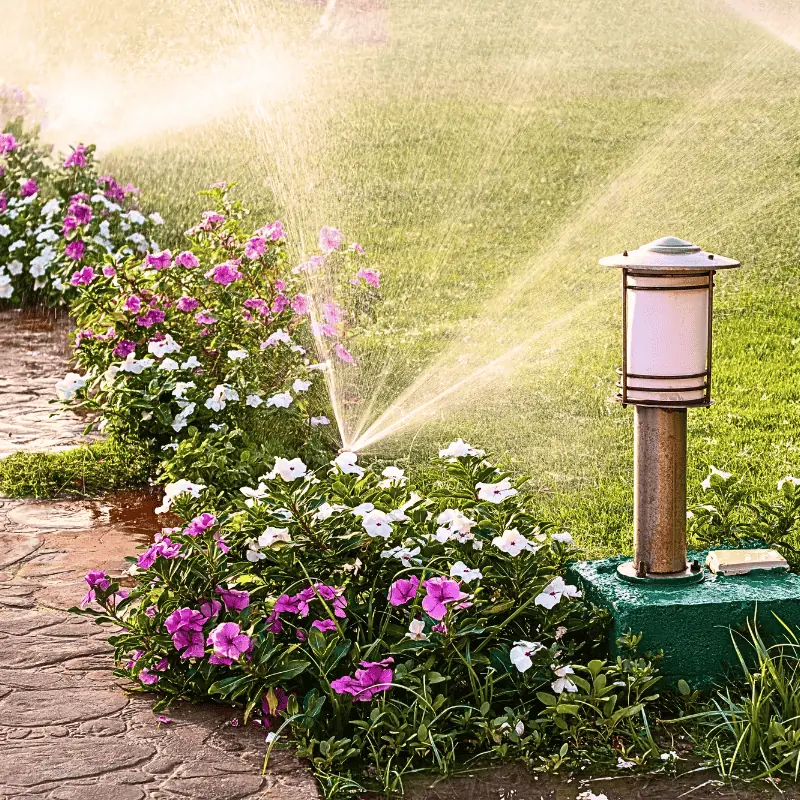
Technology has revolutionized modern gardening, and pathways are no exception. Smart innovations like soil sensors embedded under paths can monitor moisture levels, while app-controlled lighting adjusts brightness based on sunset times. Some solutions include:
IoT Lighting: Solar-powered, motion-sensor lights enhance visibility without adding bulk.
Modular Path Systems: Easily adjustable layouts using interlocking tiles made from recycled plastics or bamboo.
Permeable Surfaces: Materials like porous asphalt or resin-bound gravel improve drainage and reduce runoff.
Automated Irrigation Integration: Drip lines embedded along paths water adjacent plants efficiently. (check the illustration above)
Weather-Responsive Materials: Rubberized paths that soften in summer heat for comfort or harden in winter for durability.
Discover more ways to integrate cutting-edge technology into your garden—explore our article for innovative ideas and smart solutions!
Material Choices for Space-Saving Garden Paths
Choosing the right materials is crucial for compact garden layouts. Factor in foot traffic, climate, and maintenance:
Recycled Materials: Bricks, wooden pallets, or crushed shells for eco-friendly paths. Avoid treated wood near edible plants.
Gravel and Stepping Stones: Ideal for narrow spaces. Add a geotextile layer beneath gravel to prevent weeds.
Permeable Pavers: Support plant growth while maintaining a sturdy pathway.
Durable Surfaces: Compacted decomposed granite for high-traffic areas.
Low-Maintenance Options: Rubber mulch or composite decking. Avoid smooth stones in rainy climates—they become slippery!
Budget-Friendly DIY Path Ideas for Compact Gardens
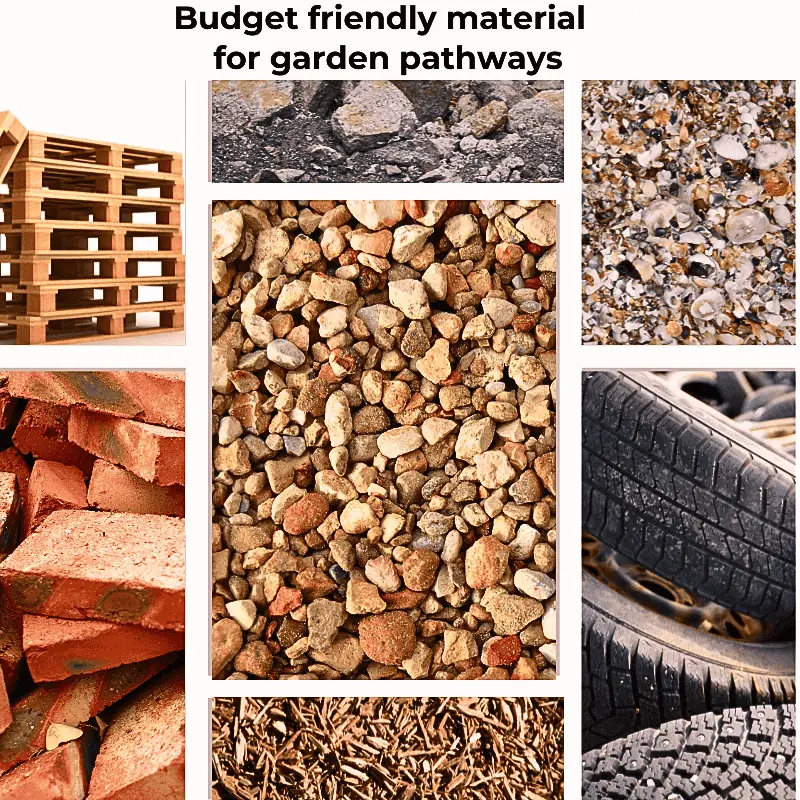
Affordable solutions include:
Gravel Paths: Use edging to contain costs.
Stepping Stone Mosaic: Repurpose broken tiles or concrete.
Log Slice Paths: Seal slices with linseed oil for longevity.
Grass and Stone Combos: Mowable grass paths with stone accents.
Mulch Paths: Refresh annually with free wood chips from local arborists.
Safety Tip: Wear gloves when handling recycled materials like broken ceramics or pallet wood. Check out some great DIY ideas on how to build garden path here.
Maximizing Garden Space with Pathway Hacks
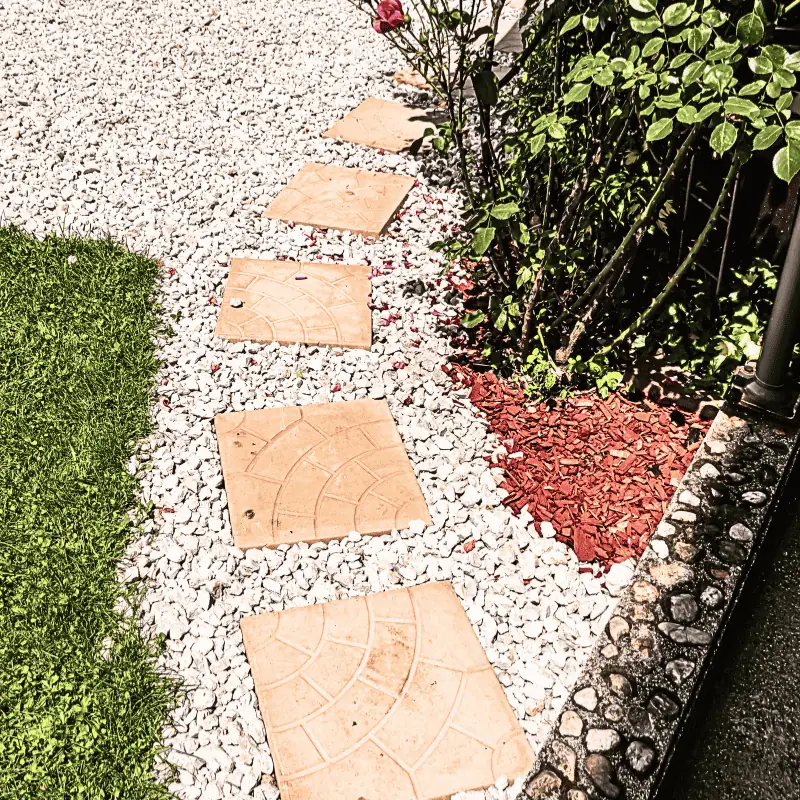
Reflective Surfaces: Use light-colored gravel or pale stone to brighten shady corners.
Water Features: A narrow channel along paths doubles as irrigation for nearby beds.
Arches and Trellises: Train climbing beans or roses overhead to add height.
Theme Alignment: Match path materials to your garden style—rustic (wood slices), modern (concrete pavers), or cottage (crushed shells).
Final Thoughts
Creating paths without losing garden space is about innovation and intentionality. Always consider microclimates—paths in full sun may need heat-tolerant materials, while shaded paths benefit from mold-resistant options.
Experiment with modular designs, integrate tech for efficiency, and remember: every inch counts.
Share your pathway experiments in the comments! How did you balance space and function?
Before You Go—Grab This Free Guide- Space-Saving Garden Path Ideas!
Take your gardening journey to the next level with our exclusive guide: Space Saving Garden Paths for Tiny Spaces! Filled with actionable tips and creative ideas, this guide will help you maximize your growing potential in small urban spaces.
Click the button below to download your free copy and start planning your productive garden today!
What is the minimum width for a garden path in a small backyard?
There’s no one perfect number, but in a small garden you generally don’t want a path any narrower than about 18 inches (around 45 cm) – that’s the absolute squeeze-for-one-person minimum.
Around 24 inches (60 cm) is more comfortable for single-file walking so you’re not brushing against plants all the time. If you need to push a wheelbarrow or garden cart, aim for 30–36 inches (75–90 cm).
For wheelchair access, think 36 inches (90 cm) or more and keep the surface firm and level. The goal is to make paths just wide enough for safe access without stealing too much growing space, especially in tight, high-intensity vegetable gardening layouts.
How wide should a path be between raised garden beds?
Between raised beds, about 24 inches (60 cm) is the minimum for basic access – you can walk, turn, and kneel without feeling trapped.
If you have the room, 30–36 inches (75–90 cm) is ideal because it lets you move a wheelbarrow, garden stool, or harvesting crate comfortably. Think about how you actually work: will you kneel or sit on the path, or just lean in from the sides?
And remember that plants often spill over the edges of the beds, so a path that looks wide on paper can feel much smaller once tomatoes, squash, or herbs are thriving.
What is the best material for a narrow garden path?
For narrow paths, flexible and permeable materials work best. Gravel or crushed stone is popular because it fits any shape, drains well in wet weather, and is easy to top up. Wood chip or bark mulch is another great option for small, informal gardens – it’s inexpensive, gentle on knees, and eventually breaks down to improve soil health.
If you prefer something more solid, use stepping stones or pavers spaced through gravel, mulch, or a creeping groundcover; this gives you firm “stepping points” without paving the entire strip. In very small spaces, avoid huge slabs of smooth concrete or stone, which can dominate visually and get slippery – smaller, textured pieces usually look and feel better.
What’s the best path material to use between raised vegetable beds?
Organic mulch and simple aggregates are the go-to choices between veggie beds. Many gardeners lay cardboard or a breathable fabric on the soil and cover it with a thick layer of wood chips or bark.
That combo keeps weeds down, stops mud, and slowly feeds the soil – a nice fit with organic and regenerative agriculture principles. Gravel between beds is another good option if you prefer a firmer, crunchier surface; just add a weed barrier underneath and some edging so stones don’t migrate into your soil.
You can also mix materials, for example: wood chips for most of the path and a row of bricks or pavers where the wheelbarrow rolls.
How can I make a garden path on a small budget?
In a small garden, you don’t need many materials to create a functional path. Wood chips or bark mulch are often the cheapest option and are sometimes available free from local tree services.
Lay them thickly over cardboard or newspaper and you have an instant, mud-free walkway. Recycled materials are another budget-friendly route: old bricks, broken concrete, leftover pavers, or log slices can all become stepping stones.
A few bags of pea gravel and a strip of landscape fabric can also be enough to define a narrow, space-saving path in a tight yard. If you’re renting or experimenting, choose solutions that are easy to remove later, like loose mulch and moveable stepping stones rather than permanent concrete.
How do I stop my garden path from getting muddy or waterlogged?
Muddy paths usually mean poor drainage and exposed soil, so focus on giving water somewhere to go and covering the surface. If you can, dig out the path area a few inches, add a base of coarse gravel or sand, then lay your path material on top – this creates a simple drainage layer.
Choose permeable surfaces like gravel, crushed stone, mulch, or stepping stones with gaps rather than large, flat slabs that hold puddles. A slight slope (even 1–2%) helps water run off the path into surrounding beds instead of pooling in the middle.
In very wet climates, you can add a shallow trench or perforated pipe alongside or beneath the path to quietly move water away.
How can I prevent weeds from growing in my garden paths?
The key is to block light and create a barrier between the soil and your path material. Before you add gravel, mulch, or chips, lay down a layer of landscape fabric, heavy-duty weed mat, or thick cardboard/newspaper.
That stops most perennial weeds from coming up and makes annual seedlings easy to pull. On top, use enough depth – a thin sprinkle of gravel or mulch invites weeds, but a few inches makes it hard for them to establish. Edging your path also helps by stopping grass and runners from creeping in from the sides.
Even with good prep, you’ll still get the odd seedling from wind-blown seeds, so a quick monthly walk-through to yank baby weeds keeps things under control.
How do I make a garden path safe and non-slip?
For safety, focus on texture, level surfaces, and visibility. Choose materials with natural grip, such as textured pavers, rough stone, bricks, or gravel, instead of polished or glazed surfaces that become slick when wet.
Set stones or pavers firmly so they don’t rock underfoot, and try to keep the tops level with the surrounding surface to avoid trip edges. In shaded or damp spots, keep an eye on algae and moss buildup and brush or hose it off periodically.
A simple border or edging can keep loose materials like gravel from spilling where you walk. Finally, a few solar lights or a contrasting edge material make the path easier to see at night, which is especially important for kids, pets, and older gardeners.
How can I design my path to make a small garden look bigger?
Path layout is a powerful space illusion tool. Instead of a straight line that shows everything at once, try a gentle curve or a slight zigzag so visitors can’t see the entire garden in one glance.
That “hidden” portion makes the journey feel longer and the space feel larger. You can also play with scale: using smaller bricks, pebbles, or tight stepping stones can make the area read as more expansive than a couple of giant slabs.
Narrowing the path slightly as it moves away from the viewer can enhance perspective, making the far end feel farther away. Ending the path at a focal point – a pot, bench, small tree, or vertical feature – also draws the eye deeper into the garden and adds a sense of destination.
Can I plant groundcovers or herbs between stepping stones on my path?
Yes, and it’s a great way to squeeze more life into a small garden. Low-growing, tough “steppable” plants work best, such as creeping thyme, low sedums, Irish or Scotch moss, and certain small-leafed herbs.
They soften the look of stone or pavers, help suppress weeds, and can even release scent when brushed. Make sure the tops of your stones sit slightly above the soil so you still step mostly on the stone, not directly on the plants.
Choose species that match your light and climate (sun vs shade, dry vs moist) and give them time to establish before heavy use. With the right plants, your path becomes a living feature that combines access, biodiversity, and plant/soil health in one narrow strip.
Should I put landscape fabric under a gravel or mulch path?
Under gravel, a breathable fabric or geotextile layer is usually a good idea. It stops the stones from sinking into the soil and greatly reduces weeds coming up from below, which means less maintenance later. Under organic mulch like wood chips, it depends on how permanent you want the path.
For a short- to medium-term path, cardboard or newspaper under chips works very well, then gradually breaks down and feeds the soil, which is good for long-term soil structure and regenerative gardening.
Landscape fabric under mulch lasts longer but can become messy once the mulch decomposes into a layer of soil on top. Avoid solid plastic sheeting under any path – it blocks drainage and can create slippery layers of water on top.
Any ideas for creating a path in a very narrow side yard?
In a skinny side yard, think “single track” and vertical. A simple line of stepping stones set into gravel, mulch, or compacted soil often works best: it gives you clear footing without making the area feel boxed in.
Alternatively, you can lay a single-file row of pavers or bricks to create a one-person-wide walkway. Keep planting slim and mostly vertical – use trellises, wall planters, or narrow shrubs rather than bulky bushes that encroach on the path.
Light-colored surfaces and a few small solar lights can brighten what’s often a shady, tunnel-like space. If the side yard connects front and back, consider a small focal point (like a pot or arch) at the far end so the path feels intentional, not just a service corridor.