
Eggplant, also widely known as aubergine, can be a rewarding crop. However, profitability depends on far more than yield alone. Labour, harvest frequency, packaging, transport, post-harvest loss, and selling unit all influence the final margin.
Therefore, this calculator is designed to help you move beyond rough assumptions and make more confident production and pricing decisions.
This open field eggplant/aubergine production cost calculator turns rough estimates into clearer numbers. Instead of guessing, you can work through a structured 12-step process and estimate production cost per plant, cost per kg or lb, expected selling margin, and final profit using your own local data.
As a result, you can compare scenarios more confidently before planting, before harvest, and before negotiating with buyers.
Why Use This Open Field Eggplant/Aubergine Production Cost Calculator?
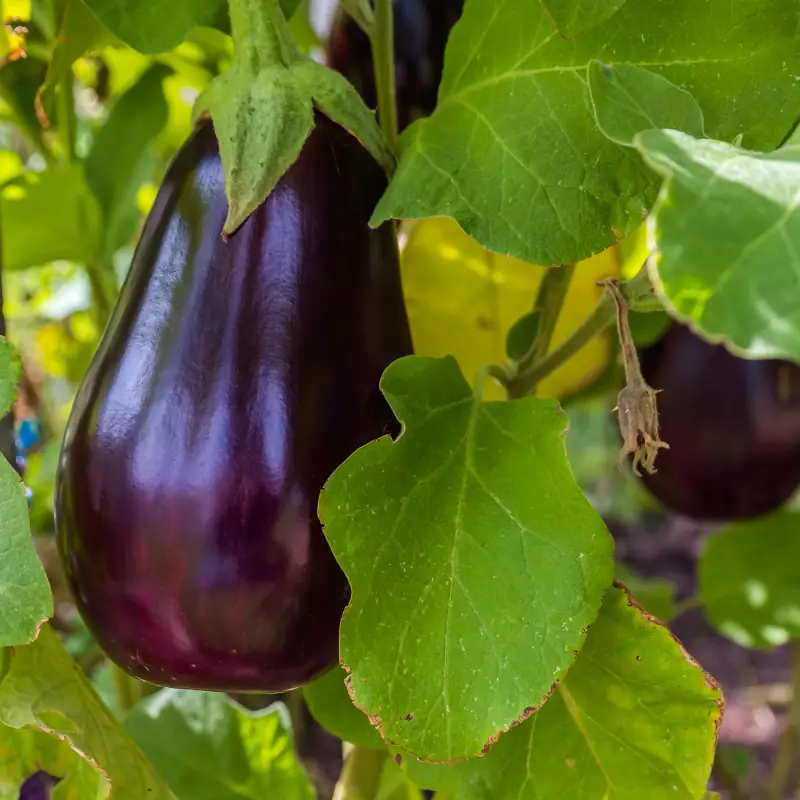
Many growers underestimate their real production costs. For example, they may remember seed, fertilizer, and irrigation, yet overlook seasonal labor, repeated harvest rounds, packaging, delivery, and quality losses.
Consequently, they often price too low and only discover the margin problem after the crop has already been sold.
This calculator helps prevent that. Rather than relying on guesswork, it guides you through the major cost categories step by step, from land preparation and plant establishment to nutrient inputs, crop protection, harvest labour, packing, transport, and final profit analysis.
In addition, it supports both metric and imperial units, multiple currencies, and different selling approaches.
Because of that, it is useful across a wide range of markets, production systems, and farm sizes. For readers who want background production guidance alongside the calculator, a good external reference is the University of Missouri Extension eggplant production guide
What This Open Field Eggplant/Aubergine Cost Calculator Helps You Measure
This calculator is built for practical farm budgeting rather than abstract theory. Specifically, you can estimate total seasonal cost, cost per plant, cost per kg or lb, saleable output, grade-based pricing, and profit.
Moreover, you can model real-world farm decisions such as changing selling units, adjusting market prices, testing markup, or comparing scenarios across different eggplant types.
Because eggplant is usually harvested in multiple rounds rather than all at once, labour and quality handling can quickly become major drivers of profit. Accordingly, the calculator reflects that reality.
It also includes an optional fruit-size helper and editable agronomy-oriented defaults, so users can start with sensible planning values and then adjust them to local conditions, spacing, variety, and market expectations.
If you want a practical harvest-focused reference, check out Utah State University’s eggplant harvest and handling guidance.
Built for Real Commercial Eggplant/Aubergine Decisions

This tool is especially useful for growers who want more than a rough estimate. Whether you sell by kg, lb, piece, crate, or another custom unit, the calculator helps translate field performance into financial reality.
Therefore, it is useful not only for commercial farmers, but also for market gardeners, diversified vegetable farms, and growers supplying wholesale, retail, or mixed channels.
At the same time, it fits well within a broader Sustainable farming and Climate-Smart Cultivation approach. After all, better cost visibility often leads to better decisions around labour efficiency, water use, packaging choices, crop protection strategy, and overall Plant/Soil health planning.
In other words, stronger budgeting usually supports stronger management. For growers comparing cultivar behavior and marketable yield by type, the University of Maine’s 2023 eggplant evaluations report is a valuable source.
How to Get the Most Accurate Eggplant/Aubergine Profit Results
For the best results, enter your own farm data wherever possible. In practice, that means using your actual field size, planting density, transplant or seed cost, irrigation setup, fertilizer and crop protection expenses, labor rates, packaging costs, and realistic selling prices. That way, the final output reflects your production system rather than a generic model.
It is also wise to test more than one scenario. For instance, you can build a conservative case, a realistic case, and a stronger-market case. Then, compare how changes in price, saleable yield, or losses affect your final profit. As a result, the calculator becomes not just a one-time estimate, but a practical planning tool for seasonal decisions and pricing strategy.
Fruit Size, Selling Unit, and Market Fit

Eggplant is sold differently depending on the market. In some cases, growers sell by weight; in others, they sell by piece, crate, or custom pack.
Because of that, the calculator includes a fruit-size helper and custom-unit support. Consequently, it becomes easier to estimate value when average fruit size affects pricing, packout, or grade mix.
This feature is especially useful for growers producing specialty types such as baby, graffiti, white, or Asian long aubergines, where unit size and visual presentation may influence revenue more directly than total weight alone. Therefore, it adds another practical layer to the profitability analysis.
Save, Compare, and Reuse Your Eggplant/Aubergine Cost Scenarios
Once you have entered your figures, you can export the results to CSV for record-keeping, planning, or discussion with partners and advisers.
In addition, JSON save and import functions make it easy to return to a scenario later without starting again from scratch. As a result, the calculator becomes useful not only for one quick estimate, but also for repeated seasonal planning and what-if comparisons.
If you are serious about improving pricing discipline, reducing guesswork, and planning more confidently, this calculator can become a practical part of your decision-making toolkit. Furthermore, it can help you compare crops, marketing channels, or production approaches more systematically over time.
Who This Open Field Eggplant/Aubergine Cost Calculator Is For
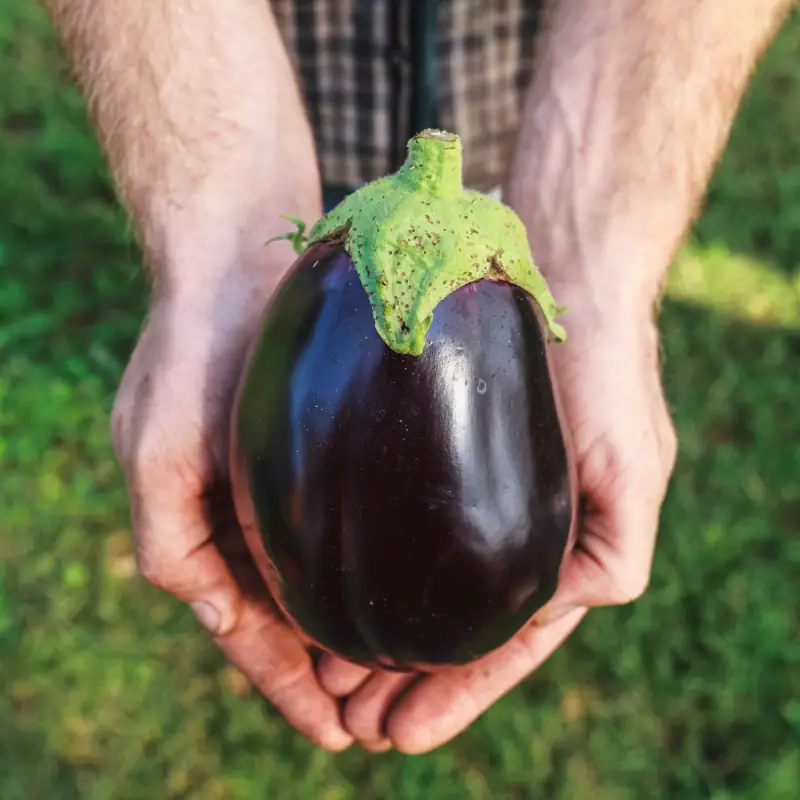
This calculator is suitable for open field eggplant or aubergine growers, market gardeners, diversified vegetable farms, and producers supplying wholesale, retail, or direct markets.
Likewise, it is useful for growers comparing globe/classic, Asian long, white, graffiti, Indian small, or baby types and wanting clearer cost per plant, cost per kg/lb, and expected profit before making pricing decisions.
Before You Use This Open Field Eggplant/Aubergine Production Cost Calculator
Remember that the defaults are only starting points. They are there to help you begin faster; however, local climate, variety choice, spacing, irrigation reliability, harvest frequency, and market specification will all affect the real result.
Therefore, the more closely you use your own numbers, the more useful the final output will be.
Likewise, it is worth reviewing your assumptions before making final business decisions. Even a strong calculator is only as good as the information entered. For that reason, growers should treat the output as a decision-support tool and then refine it with their own field records, buyer requirements, and local market conditions.
You can explore more tools in the full agriculture calculators series.
Step 1: Define Your Production Scale & Selling Unit (Eggplant/Aubergine)
Step 2: Land Preparation Costs
Step 3: Transplant / Seedling Costs
Transplant Details
Step 4: Irrigation System Costs
Irrigation Systems
Step 5: Fertilizer & Nutrient Costs
Step 6: Pest and Disease Management
Step 7: Staking / Support Costs
Step 8: Harvest Labor Costs
A. Pickers & Labor
Optional: Eggplant/Aubergine harvest schedule helper (continuous picking)
Eggplant/Aubergine are usually picked frequently during the harvest window. This helper estimates the
Number of Harvest Days from a simple schedule (pick frequency + harvest weeks + days/week).
Example: Pick every 2 days for 8 weeks ≈ 28 harvest days (not 56 days of continuous work).
You can still type your own harvest days if you track it already.
B. Field Sorting & Grading Labor
C. Post-Harvest Loss Override
Step 9: Packaging Materials & Retail Presentation
A. Simple Per-Unit Packaging Cost
B. Additional Packing Materials
Step 10: Overhead & Farm-Level Fixed Costs
A. Land Costs
B. Insurance
C. Certification, Audits & Lab Tests
D. Other Administrative / Overhead Costs
E. Financing / Interest Costs
Step 11: Transport & Delivery Costs
Step 12: Final Summary & Export
Cost Breakdown
| Component | Total Cost | % of Total | Cost per Unit | Visual |
|---|
Cost Breakdown – Pie Chart
Markup & Selling Price
Baseline Cost per Unit:
Selling Price per Unit:
Profit per Unit:
Profit Margin %:
Total Profit (Entire Crop):
Eggplant/Aubergine Market Scenarios
Eggplant/Aubergine grade / quality mix (optional)
Processing contract mode (optional)
Weighted Price Result
Note: This is not Excel. Use CSV Export if you want to open results in Excel.
Save & Export Results
Help
Calculate Your Delivery Distance
Production cost is only part of the story. If you deliver to a processor, wholesaler, fresh market, or supermarket, distance affects fuel, time, labor, and scheduling.
👉 Use Google Maps: https://www.google.com/maps to check the real travel distance to your buyer and treat delivery as part of the margin discussion, not as an afterthought.

Why are my eggplant seedling leaves turning yellow?
Eggplant seedlings often turn yellow because of overwatering, poor drainage, low root oxygen, or a lack of nitrogen. Let the top layer of the growing medium dry slightly between waterings, improve drainage, and feed lightly with a balanced starter fertilizer once true leaves appear.
I’ve tried two lots of eggplant seeds and they won’t sprout. Is it worth soaking them first?
Soaking may help a little, but steady warmth is usually the real key to reliable germination. Use fresh seed, keep the medium evenly moist rather than wet, and maintain warm germination conditions until the seedlings emerge.
How do I germinate eggplant seed successfully?
Start with fresh seed, sow shallowly, maintain even moisture, and provide consistent warmth. Once the seeds germinate, move them into strong light and avoid overwatering so the seedlings do not become weak or leggy.
Why isn’t my eggplant growing well?
Stunted eggplant growth is often linked to cool temperatures, compacted or low-fertility soil, uneven watering, or transplant root damage. Improve soil fertility, keep moisture steady, protect plants from cold stress, and reduce root disturbance during transplanting.
Do eggplant plants need staking or support?
Yes, staking or caging is often worthwhile. Fruit weight can bend stems and increase breakage, especially in windy conditions or longer harvest windows. Support also improves airflow and helps keep fruit off the ground.
Do I need to prune eggplant plants, including patio or container types?
Eggplants do not need heavy pruning like tomatoes, but light pruning can help. Remove damaged or crowded growth, improve airflow, and keep the canopy balanced so the plant can support fruit without excessive shading.
What is causing tiny holes in my eggplant leaves?
Small “shot holes” are commonly caused by flea beetles. Protect young plants early, reduce nearby weed hosts, and use suitable physical barriers or approved crop protection options to reduce repeated feeding damage.
What is the white stuff on my eggplant, and what should I do?
White residue may be powdery mildew, or it may be linked to pests such as whiteflies or mealybugs, depending on whether it looks dusty, patchy, or insect-like. Improve airflow, avoid wetting foliage late in the day, and respond according to whether the problem is fungal or insect-related.
Why are my eggplant flowers falling off or not setting fruit?
Flower drop is commonly caused by heat stress, cold nights, irregular watering, excess nitrogen, or poor pollination. Stabilize watering, avoid pushing too much nitrogen, and improve pollination through gentle shaking or hand-pollination where needed.
How do I hand-pollinate eggplant flowers?
Eggplant flowers are self-fertile, so hand-pollination is simple. Use a small brush to move pollen within the flower, or gently tap and shake flower clusters during warm, dry parts of the day.
Why are my eggplants bitter?
Bitterness usually increases when fruit is left too long on the plant or when the crop is stressed by heat or irregular watering. Harvest at the right stage, while the skin is still firm and glossy, and keep water supply as consistent as possible.
Why do my eggplants have rotten spots on the bottom of the fruit?
This is commonly blossom-end rot. It is usually linked to inconsistent watering and poor calcium movement into the fruit. Keep soil moisture stable, avoid extreme wet-dry swings, and support strong root and nutrient balance.