Indoor Cannabis Calculator — Cost Per Plant, Per lb/kg, Wholesale & Packs
An indoor cannabis calculator helps you estimate cost per plant, cost per gram, cost per lb/kg, wholesale pricing, pack pricing, break-even, and profit using your own indoor grow inputs.
More importantly, that matters because indoor cultivation economics are shaped not just by yield, but also by lighting, HVAC, dehumidification, labor, packaging, and overall room efficiency. In other words, strong production alone does not guarantee strong margins.
Why Indoor Growers Get Surprised by “Invisible” Costs
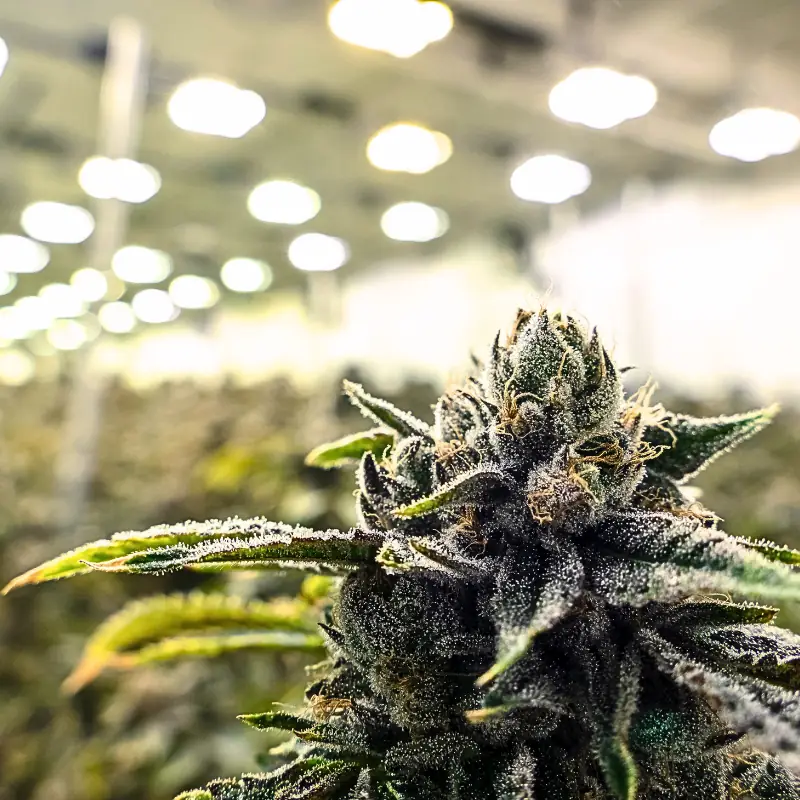
Indoor margins can look strong right up until the room starts behaving like a real room instead of a spreadsheet. At first, everything may seem profitable on paper.
Then the lights add heat, HVAC works harder, and dehumidifiers keep pulling moisture. Meanwhile, fans, controllers, drying, packaging, and labor continue stacking up quietly in the background.
That is exactly why I built this indoor cannabis calculator. Rather than leaving you with rough assumptions, it turns your grow into numbers you can actually price from: cost per plant, cost per gram, cost per lb/kg, wholesale price, pack price, break-even, and profit.
So, instead of copying a market price and hoping it works later, you can build a price from your own room, your own electricity cost, your own yield assumptions, and your own overhead. As a result, your pricing becomes far more grounded in operational reality.
Instead of copying a market price and hoping it works later, you can build a price from your own room, your own electricity cost, your own yield assumptions, and your own overhead.
What This Indoor Cannabis Cost Calculator Actually Measures
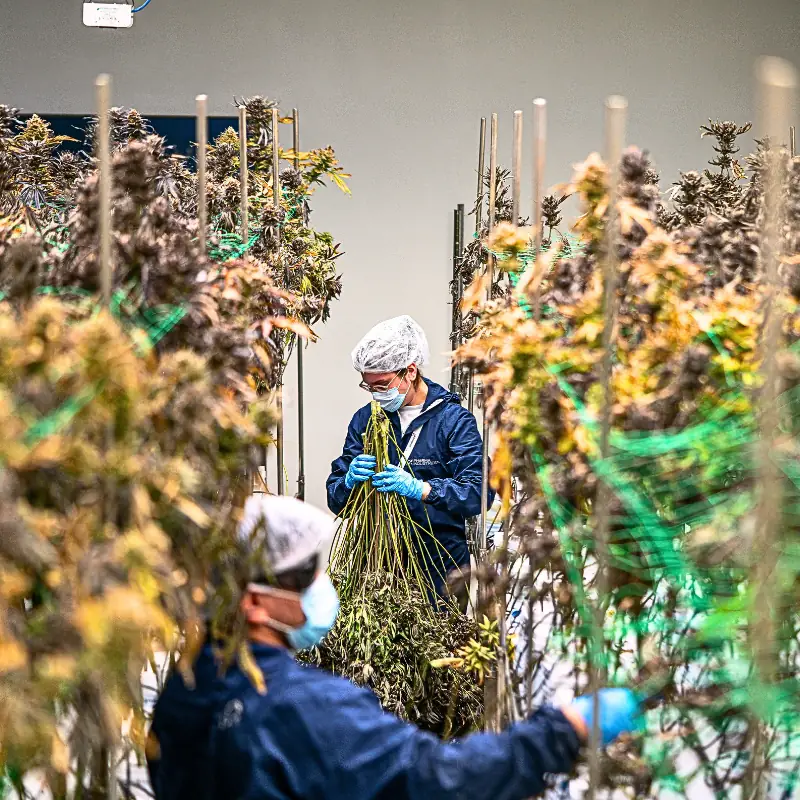
Most grow calculators stop at a rough electricity estimate. By contrast, this one goes further.
More specifically, it helps you account for starting material, substrate, nutrients, irrigation, lighting, climate control, labor, packaging, transport, and other cycle costs, so you can see what your product really costs before you set a selling price.
For example, you can use it to answer practical questions such as:
What does one indoor plant really cost me?
Which wholesale price actually covers my costs?
What is my cost per gram or per lb/kg?
How do my numbers change if I switch pack sizes, reduce yield loss, or improve room efficiency?
Key Numbers at a Glance
First, energy can be a major operating cost: In indoor cannabis facilities, operational energy costs can account for roughly 20%–40% of total annual operating cost.
Next, the main indoor energy drivers are lighting and climate control: A 2025 One Earth paper describes indoor cannabis cultivation as requiring major inputs from high-intensity lighting, dehumidification, and heating/cooling.
In addition, EDs can reduce cooling demand as well as lighting demand: Resource Innovation Institute’s CEA Market Characterization Report says a 20%–30% reduction in HVAC system size is possible compared with rooms sized for high-pressure sodium (HPS) lighting.
Finally, recent U.S. wholesale spot reference: Cannabis Benchmarks reported $987/lb ($2.18/g) in its January 23, 2026 U.S. Cannabis Spot Index report.
Use the Calculator Below to Price from Your Own Room
Before you start, have these numbers ready:
Number of plants per cycle
Expected saleable yield
Cost per kWh
Lighting and climate-control load
Labor cost
Packaging assumptions
Wholesale or pack price targets
Then run the calculator once with your best estimate and once with a more conservative scenario. The gap between those two runs is often where the real management decisions live.
For growers comparing systems, I also have an open-field cannabis calculator, and you can explore more tools in the full agriculture calculators series.
Step 1: Production Scale & Selling Unit (Indoor)
Yield Input Method
Cycle & Room Structure
Step 2: Structure & Site Preparation (Indoor)
Step 3: Clones / Transplants / Seedlings (Indoor)
Transplant Details
Step 3B: Growing Media / Substrate (Indoor)
Step 4: Irrigation & Fertigation (Indoor)
Step 5: Fertilizer & Nutrient Costs (Indoor)
Step 6: Climate Control & Energy (Indoor)
Step 6B: Water & Utilities (Indoor)
Step 7: Pest & Disease Management (Indoor)
Step 8: Support Systems & Trellising (Indoor)
Step 8B: Consumables & Sanitation (Indoor)
Step 9: Harvest Labor & Post-Harvest Loss (Indoor)
A. Pickers & Labor
B. Trim / QA / Packing Labor (Simple hours)
C. Post-Harvest Loss Override
Step 10: Packaging Materials & Retail Presentation (Indoor)
A. Simple Per-Unit Packaging Cost
B. Additional Packing Materials
Step 10B: Lab Testing & Compliance (QA/QC)
Step 11: Overhead & Facility Fixed Costs (Indoor)
A. Facility / Space Costs
B. Insurance
C. Certification, Audits & Lab Tests
D. Compliance, QA & Security (Regulated Ops)
E. Other Administrative / Overhead Costs
F. Financing / Interest Costs
G. Facility & Equipment Depreciation Buckets (Optional)
Step 12: Transport & Delivery Costs (Indoor)
Step 13: Final Summary & Export
Annualizer + Capacity Utilization (Optional)
Sensitivity + Risk Reserve (Optional)
| Lever | Profit at -10% | Profit at +10% | Swing |
|---|
Cost Breakdown
Labor Burden / Employer Contributions
Financing Overlay (Optional)
COGS vs OPEX (Accounting View)
Report Summary (Print / Copy)
| Component | Total Cost | % of Total | Cost per Unit | Visual |
|---|
Cost Breakdown – Pie Chart
Markup & Selling Price
Baseline Cost per Unit:
Selling Price per Unit:
Profit per Unit:
Profit Margin %:
Total Profit (Entire Crop):
Revenue Model (Wholesale vs Retail)
Product Mix Revenue (Flower / Smalls / Trim)
Fees / Deductions
Revenue & Net Profit Summary
Save & Export Results
Help
Calculate Your Delivery Distance
Production cost is only part of the story. If you deliver to a processor, wholesaler, distributor, or dispensary, distance affects fuel, time, labor, and scheduling.
👉 Use Google Maps: https://www.google.com/maps to check the real travel distance to your buyer and treat delivery as part of the margin discussion, not as an afterthought.

Should I grow cannabis from seeds or clones?
Seeds and clones solve different problems. Seeds are better if you want genetic variety and a clean start, while clones are better if you want uniformity in canopy, timing, and outcomes. For cost planning, clones usually cost more upfront but can reduce variability in yield per plant.
What equipment do I need to grow cannabis indoors?
Think in systems, not shopping lists: lighting, airflow and ventilation, climate control, root-zone setup, monitoring, sanitation, and safety. The real must-have is monitoring, because even basic sensors can prevent expensive mistakes.
Do I need a fan in my grow tent or grow room?
In most indoor setups, yes. Fans help reduce stagnant humid pockets, improve canopy consistency, strengthen plant structure, and distribute heat from lights more evenly. The goal is gentle, consistent air movement rather than strong wind.
Do I need a dehumidifier in my grow room?
Not always, but you always need a moisture-management plan. As plant mass increases, humidity can build quickly, and if ventilation alone cannot keep conditions stable, dehumidification becomes a core tool for protecting quality and reducing mold risk.
What are the best temperature and humidity levels for growing cannabis indoors?
Rather than chasing one perfect number, aim for stability and stage-appropriate conditions. Early growth and late flowering have different risk profiles, and many growers use VPD as a framework to align temperature and humidity more logically.
How often should I water my cannabis plants?
There is no single correct schedule. Watering frequency depends on medium type, container size, plant size, and room conditions. A practical approach is to water based on plant demand and root-zone condition, not the calendar.