Planning a garlic crop without knowing your costs is one of the easiest ways to lose money before harvest even begins.
This free garlic growing cost calculator helps you estimate the real cost of production across 12 practical steps, from planting stock and land preparation to irrigation, labour, curing, packaging, and profit planning.
Enter your own figures, and you can calculate cost per kilogram, cost per pound, or cost per selling unit before you plant a single clove.
Why This Garlic Growing Cost Calculator Matters
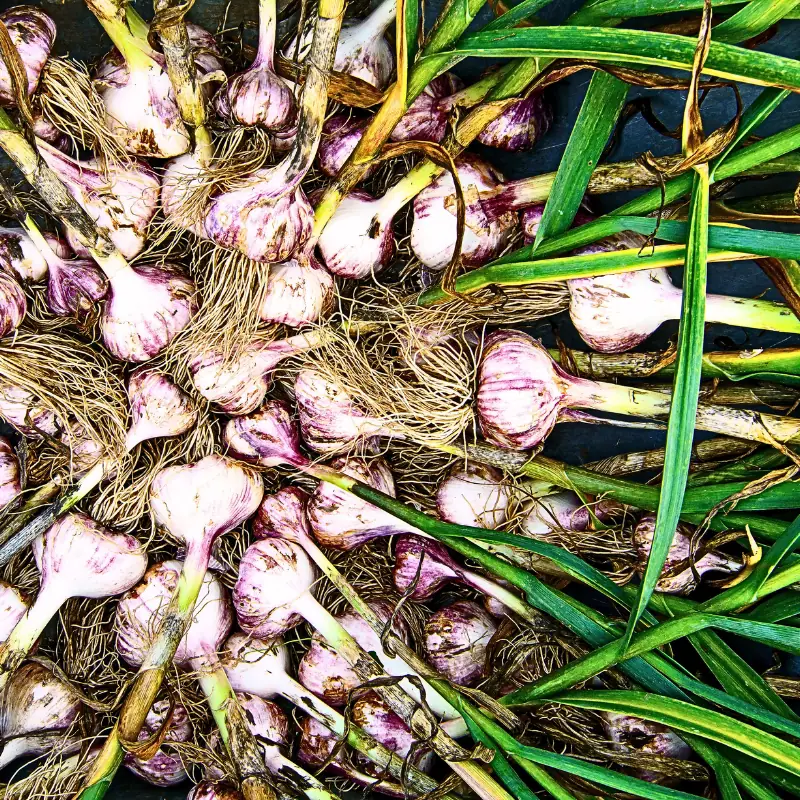
Garlic often looks like a high-value crop. However, the real cost picture is usually much less obvious. Planting stock can be expensive, labour adds up over time, and post-harvest handling often costs more than growers expect.
As a result, many people only discover their true production cost after most of the spending has already happened.
This calculator helps you avoid that mistake by building a cost profile around your own area, your own inputs, and your own selling unit.
What This Garlic Growing Cost Calculator Covers

This calculator includes the main cost stages growers often overlook when budgeting garlic properly:
planting stock
land preparation and amendments
irrigation and nutrient inputs
pest and disease management
mulch and field materials
harvest labour
curing and handling losses
packaging
overhead and transport
final cost per unit and profit planning
In other words, it is not just a simple estimator. Instead, it helps you see where the money goes across the full garlic season.
Planting Stock Is Usually the First Big Cost

With garlic, the budget often starts with the cloves. Unlike many vegetable crops, garlic is usually planted from cloves rather than cheap seed packets.
The University of Minnesota Extension garlic guide recommends planting cloves from garlic seed producers rather than grocery-store garlic, because grocery garlic may not be well adapted or reliable for planting. That makes planting stock one of the biggest early decisions in garlic production.
Clove size matters too. The University of Maryland Extension garlic guide notes that larger cloves generally produce larger bulbs than small cloves. Therefore, cheaper planting material is not always the better option if it reduces final bulb size and saleable value.
Spacing, Mulch, and Timing Affect Profit
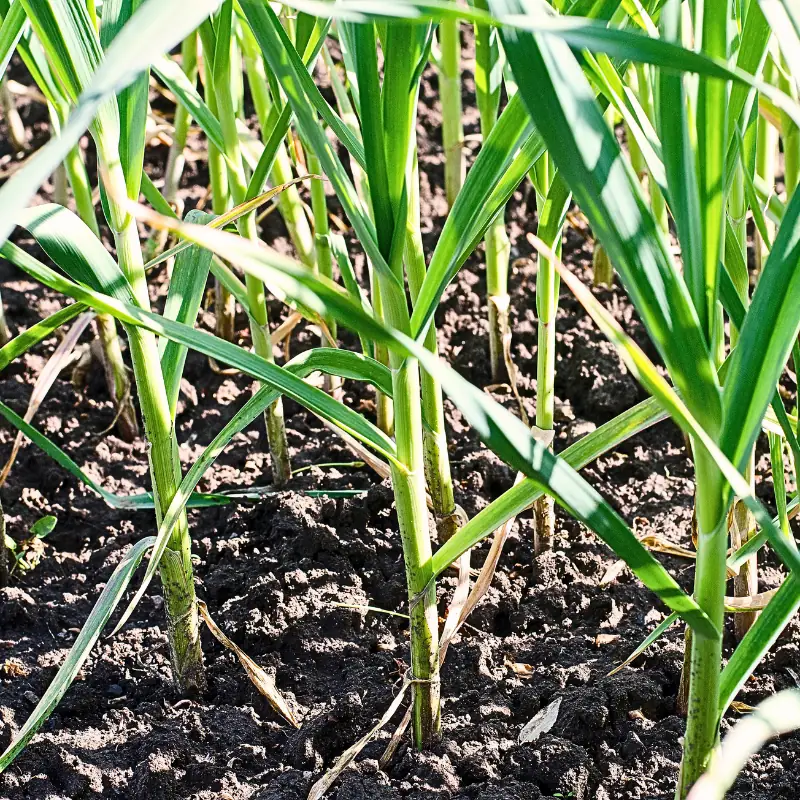
Garlic may look simple, yet several management choices change the final numbers more than many growers expect. Spacing affects both plant population and bulb size. Mulch affects weed suppression, moisture retention, and labour needs.
Timing also matters, especially when growers are trying to balance strong growth with good curing and storage outcomes.
The Utah State University garlic guide explains that garlic grows best in full sun and fertile, well-drained soil. Because of that, production cost is not only about what you spend, but also about how well those inputs are timed and managed.
Harvest and Curing Change the Real Numbers
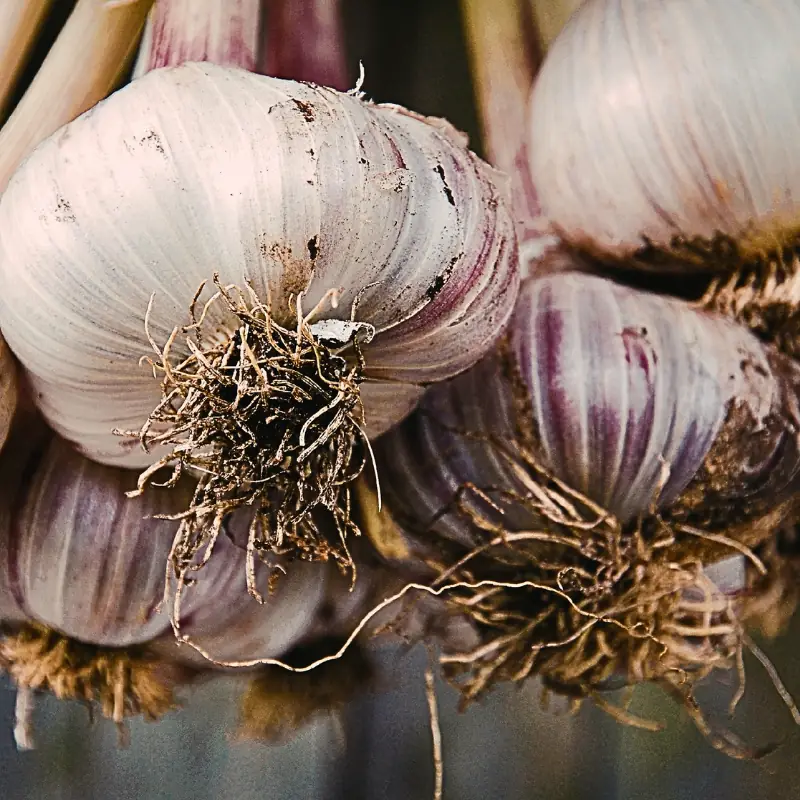
Many growers stop calculating at harvest. However, harvested garlic is not the same as saleable garlic.
Curing, trimming, shrink, grading, and storage losses all affect what you can actually sell. Consequently, a garlic budget that ignores post-harvest loss is usually too optimistic.
That is why this calculator includes curing and handling losses as part of the full cost picture.
Use This Garlic Growing Cost Calculator Before You Plant
The biggest advantage of this tool is timing. If you calculate your likely cost before planting, you still have room to adjust planting area, spacing, input choices, and expected selling price.
By contrast, if you wait until harvest, most of the important cost decisions have already been made.
Final Takeaway
Garlic can be a rewarding crop, but it is rarely as cheap or as simple as it first appears. Planting stock, labour, mulch, curing, and storage all influence the final result.
This free garlic growing cost calculator helps you see those numbers earlier, plan more confidently, and price your crop with a clearer understanding of real production cost.
You can also explore our free Onion Growing Cost Calculator for a direct comparison, or browse our wider collection of agriculture calculators to compare garlic costs with other crops and plan your season more confidently.
Help
Calculate Your Delivery Distance
Production cost is only part of the story. If you deliver to a processor, wholesaler, fresh market, or supermarket, distance affects fuel, time, labor, and scheduling.
👉 Use Google Maps: https://www.google.com/maps to check the real travel distance to your buyer and treat delivery as part of the margin discussion, not as an afterthought.

Can I plant grocery store garlic?
You can try, but it is usually not the best choice. Grocery garlic may be poorly adapted to your climate, may be treated to suppress sprouting, and can carry diseases, so clean planting stock from a reputable garlic source is the safer option if you want better emergence, larger bulbs, and fewer losses.
Does grocery store garlic really fail to sprout, or is that just a myth?
It is not a complete myth, but it is also not absolute. Some grocery garlic will sprout, while some may emerge poorly or rot before it gets established, especially if it has been treated for storage or is already weakened.
Is paying a high price per pound for seed garlic normal?
Often, yes. Seed garlic costs more than eating garlic because you are paying for planting stock quality, cultivar selection, bulb size, and lower disease risk, so the smarter way to judge it is by cost per clove planted and your expected marketable yield, not by pound price alone.
Need help understanding the economics of garlic. What really drives the cost?
The main drivers are seed cost, spacing, soil preparation, weed control, harvest labor, curing, storage losses, and how much of the crop is actually marketable. Garlic can look profitable on paper, but the real numbers shift quickly once you include shrink, grading, seed retention, and labor for cleaning or packaging.
Is it even worth growing garlic if seed and shipping cost a lot?
It can be worth it, but only if the yield, losses, and sale price still leave room for profit. A good garlic calculator should help you test whether your seed cost per bed, per row, or per acre still works after accounting for small bulbs, storage loss, and the percentage of the crop you keep back as seed
My garlic bulbs are small. What did I do wrong?
Small bulbs are usually linked to one or more of these: small planting cloves, spring planting instead of fall planting, weak fertility, weed competition, poor moisture management, or harvesting too early. Large, healthy cloves and a full growing season with good nutrition and low competition give you the best chance of producing large bulbs.
Why didn’t my garlic split into cloves, and can I replant the rounds?
Garlic that stays as one solid round instead of dividing into cloves is often reacting to insufficient cold exposure, late planting, or other poor growing conditions. Yes, rounds can usually be replanted, and many growers do that, but they are a sign that the original crop did not get the conditions needed for full bulb development.
When do I harvest garlic?
A reliable guide is to harvest when the lower leaves have died back and several upper leaves are still partly green. Waiting too long can cause the bulbs to split and store poorly, while harvesting too early can leave undersized bulbs with weak wrappers.
How long does garlic need to cure, and can I use it straight out of the ground?
You can use fresh garlic right after harvest, but it will not store well until it is properly cured. Most growers cure garlic for about 2 to 4 weeks in a warm, dry, well-ventilated area out of direct sun, until the wrappers turn papery and the stems dry down.
How should I price garlic braids for sale?
Price braids by adding up the value of the garlic itself, trimming and cleaning time, braid labor, packaging, and your expected reject rate, then add your target margin. Also remember that softneck garlic is the normal choice for braiding, while hardneck garlic generally cannot be braided well because of its stiff central stalk.