What Is This Pepper Cost Calculator?
Finally, you have a pepper cost calculator that actually understands how pepper production works from start to finish. Building on the proven framework of our tomato calculators (see our open-field and greenhouse versions), this free pepper and chili calculator goes further by capturing the unique economics of multi-harvest crops.
Instead of treating harvest as a single event, it models what really happens when you have multiple pickings per season, handling mixed quality grades, and navigating wildly different prices between green, colored, and specialty varieties.
Why You Need a Pepper Cost Calculator for Open-Field Peppers
In most cases, standard farm calculators treat harvest as a one-time event—but pepper growers know that labor, losses, and pricing change dramatically from the first pick to the last.
Therefore, this pepper cost calculator lets you model the full-season reality, from transplant costs through final delivery, with pepper-specific features you will not find anywhere else.
Multi-Pick Harvest Helper
The multi-pick harvest helper estimates your total harvest days from picking frequency and duration—no need to track every individual day in the field.
Simply enter how often you pick (e.g., every 7 days) and your harvest window (e.g., 12 weeks), and the pepper cost calculator automatically calculates your total labor days.
This is crucial because peppers require number of picking rounds over several months, and labor costs compound quickly when you’re not tracking them accurately.
Pepper Market Scenarios
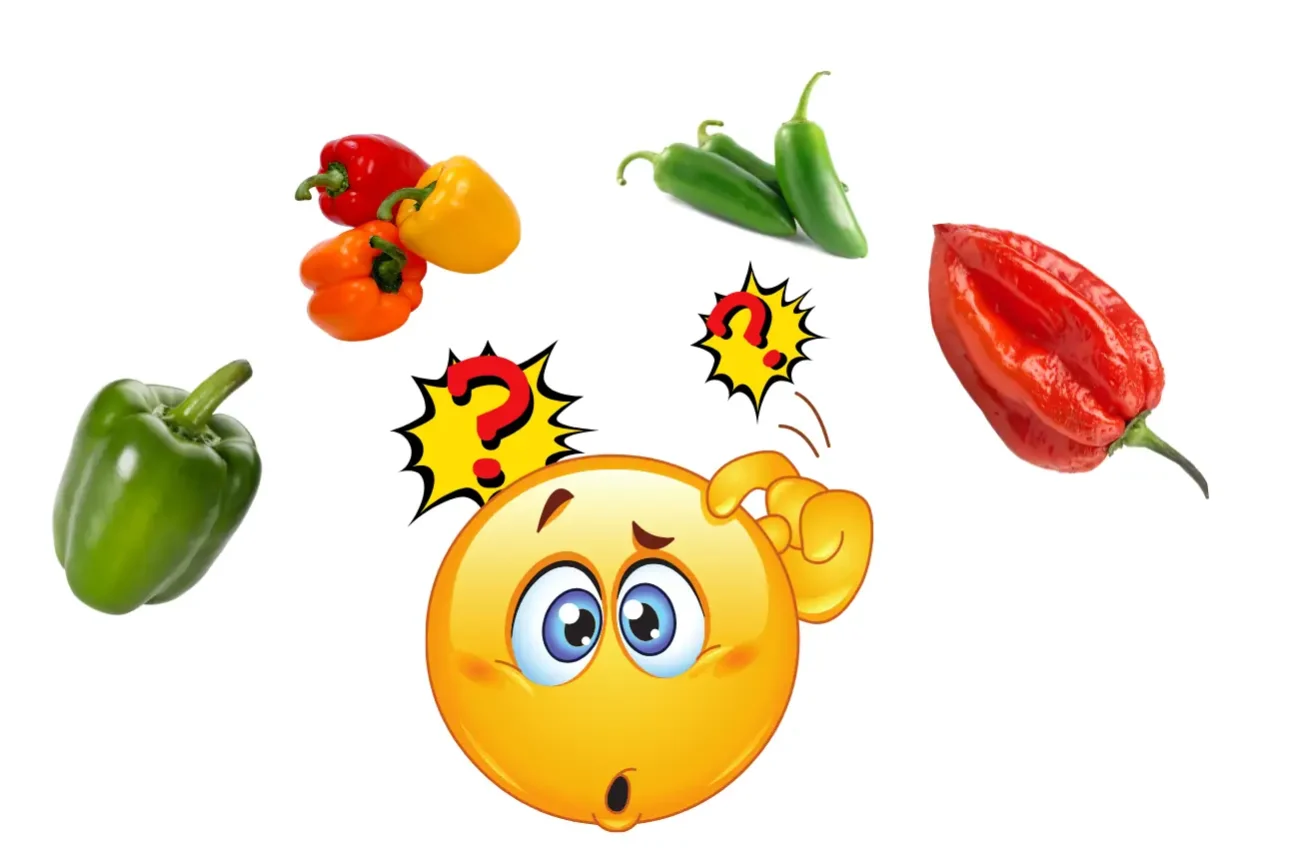
The Pepper Market Scenarios module instantly compares your production costs against typical pricing for green bell, colored premium, jalapeño specialty, and habanero niche markets.
This helps you decide whether growing for color or heat is financially worth the extra time, risk, and quality control—especially since peppers can be harvested green or held to full mature color depending on your market plan (check the “Harvesting and Handling” section in Bell Pepper Production in California (UC ANR)).
See real break-even prices for different market strategies and understand which pepper types actually deliver profit—not just revenue.
Grade/Color Premiums Calculator

The Grade/Color Premiums feature calculates your real weighted selling price when you’re packing a mix of premium colored fruit, standard green, and seconds—because that’s the reality in the field, not perfect single-grade harvests.
Enter your expected mix percentages (e.g., 60% green, 35% colored, 5% seconds) and the calculator shows your actual average selling price and profit margins based on realistic pack-out quality.
Complete Cost Tracking
Track costs across all production stages: land prep, seedlings, irrigation, fertilizer, pest control, support systems, harvest labor, packaging, overhead, and transport.
The pepper cost calculator then shows your actual break-even price per kg (or lb) and profit margins per unit.
If you want a “traditional” benchmark to sanity-check your totals, you can compare your categories against a classic extension enterprise budget like the Bell Pepper Production Enterprise Budget (UAEX).
Whether you’re a small-scale diversified farmer or running commercial acreage, you’ll finally have clear answers on what it truly costs to grow peppers—and whether you’re actually making money.
Track Costs Across Multiple Harvest Rounds
Stop recalculating from scratch every harvest round. With JSON export/import, you can save your complete cost data after the e.g. 6th pick, then import it when calculating your 7th pick—updating only what changed (labor hours, losses, packaging) while preserving all your setup costs, equipment depreciation, and seasonal inputs.
This cumulative tracking means your final CSV export reflects real season-long costs across all picks, not just a theoretical single-harvest estimate that ignores how costs compound over number of picking rounds.
Step 1: Define Your Production Scale & Selling Unit
Step 2: Land Preparation Costs
Step 3: Transplant / Seedling Costs
Transplant Details
Step 4: Irrigation System Costs
Irrigation Systems
Step 5: Fertilizer & Nutrient Costs
Step 6: Pest and Disease Management
Step 7: Support System Costs
Step 8: Harvest Labor Costs
A. Pickers & Labor
Optional: Multi-pick schedule helper (peppers/chillies)
Peppers and chillies are typically harvested many times. Use this helper to estimate Number of Harvest Days from a simple schedule. You can still type your own total harvest days if you already track it.
B. Field Sorting & Grading Labor
C. Post-Harvest Loss Override
Step 9: Packaging Materials & Retail Presentation
A. Simple Per-Unit Packaging Cost
B. Additional Packing Materials
Step 10: Overhead & Farm-Level Fixed Costs
A. Land Costs
B. Insurance
C. Certification, Audits & Lab Tests
D. Other Administrative / Overhead Costs
E. Financing / Interest Costs
Step 11: Transport & Delivery Costs
Step 12: Final Summary & Export
Cost Breakdown
| Component | Total Cost | % of Total | Cost per Unit | Visual |
|---|
Cost Breakdown – Pie Chart
Markup & Selling Price
Baseline Cost per Unit:
Selling Price per Unit:
Profit per Unit:
Profit Margin %:
Total Profit (Entire Crop):
Pepper Market Scenarios
Save & Export Results
Help
Calculate Your Delivery Distance Before Pricing Your Peppers
Not sure how far your customer is from your farm? No problem. Before setting your delivery cost in the calculator, you can quickly check the exact distance using Google Maps. Simply enter your farm location and your customer’s address to estimate kilometers or miles accurately.
👉 Use Google Maps: https://www.google.com/maps
Peppers/Chilies Production Cost Calculator — Frequently Asked Questions

Can I grow peppers outdoors in the UK/Northern Europe without a greenhouse?
Yes—but you’ll do best if you treat peppers as a warm-season, short-window crop. Choose early-maturing varieties and start them indoors early. Use the warmest microclimate you have (south-facing wall, sheltered patio, raised bed, black mulch).
In cool summers, containers often outperform beds because pots warm up faster (useful for Urban Agriculture Technology setups like balcony growing). If you can add even a small poly-tunnel/cloche during chilly spells, ripening success jumps.
When should I start pepper seeds indoors, and when do I transplant outside?
Peppers are slow starters—plan backward from your safe outdoor date. Start seeds 8–10 weeks before transplanting (sometimes longer for super-hots).
Germinate warm (a heat mat helps): peppers sprout fastest with warm root-zone temps. Transplant only when nights are consistently warm (not just one warm week). Don’t rush: cold soil stalls peppers and can set them back weeks.
My seedlings wilted after hardening off. What did I do wrong—and will they recover?
Classic hardening-off shock. Most recover if you react fast. Start with shade + short exposure (1–2 hours), increase gradually over 7–10 days.
Wind is often the real culprit—protect from gusts early on. If they wilt: move back to shelter, water lightly, and restart the process more gently. Prevent sunscald: never jump from indoor light to full midday sun in one day.
How often should I water peppers? I want a simple schedule.
The schedule depends—so use a repeatable rule instead of a calendar. Water deeply, then wait until the top layer starts to dry (not bone-dry, not soggy).
Mid-summer: some gardens need water every day; heavier soils may need far less. Overwatering causes yellowing, leaf drop, and weak roots—peppers hate “wet feet.”
If you want consistency, add IoT Farming Solutions: a basic soil-moisture sensor (even a single probe at root depth) prevents both over- and under-watering.
Why are my pepper leaves curling?
Leaf curl is a symptom—usually one of these buckets: pests (aphids/whiteflies/mites) deform new growth—check the undersides first; heat + water stress can cause temporary curl; chemical drift (lawn herbicides) can twist leaves dramatically; virus is a concern if curl comes with strong mottling, stunting, and it spreads plant-to-plant.
Start with the simplest diagnostic: inspect pests + review recent weather and sprays nearby.
How do I control aphids/whiteflies organically (especially on patio or indoor peppers)?
Think “repeatable pressure” not “one magic spray.” First line: blast with water (undersides), repeat every few days. Use insecticidal soap or properly mixed neem (avoid hot sun spraying to prevent burn).
Control ants—ants “farm” aphids and bring them back. In protected spaces, beneficial insects can help, but sanitation + consistent treatment matters most. This is core Organic farming + IPM: frequent scouting, early action, and persistence.
My peppers have black/brown rotten spots on the bottom. Is it a fungus?
That’s usually blossom-end rot—a calcium uptake problem, not a fungus. The real trigger is often inconsistent watering (dry → flood cycles).
Mulch helps stabilize moisture and improves Plant/Soil health. Don’t panic-apply calcium everywhere—fix water consistency first. Remove damaged fruit; new fruit often comes out clean once conditions stabilize.
Should I harvest peppers green or wait until they turn red/yellow?
Both are valid—your goal decides. Green harvest = more total fruit over the season (plants keep producing). Color-ripened = sweeter flavor and often a higher market price, but fewer total peppers.
A smart compromise: harvest some green early, then let later fruit color up. This is a practical “yield vs price” lever for vegetable gardening and commercial planning.
When is the best time to plant peppers in SADC—rainy season or dry season?
In much of SADC, open-field peppers perform best when you avoid peak disease pressure and manage water deliberately.
Many growers prefer dry-season production with irrigation (cleaner leaves, fewer bacterial blow-ups). In frost zones, plant after frost risk drops and nights warm up. If you must plant into wet periods: raised beds + drainage + airflow become non-negotiable.
How do I keep peppers setting fruit in 35–40°C heat?
Heat doesn’t just stress plants—it breaks fruit set. Use Climate-Smart Cultivation tactics: mulch + frequent irrigation to cool the root zone and prevent drought spikes; shade netting (light to moderate) reduces sunscald and flower drop; choose heat-setting varieties (often smaller-fruited types set better than big bells).
Focus on resilience: healthy soil, balanced nutrition, and avoiding “boom-bust” watering.
My borehole water is salty. Can I irrigate peppers with it?
Sometimes—depends on salinity level and drainage. Get a basic EC test (cheap and very informative).
Mild salinity can be managed with good drainage and occasional leaching; high salinity will stunt and burn peppers. If sodium is an issue, soil amendments and good leaching practices help—but testing comes first.
I’m transporting peppers 100–300 km without a cold truck. How do I reduce losses?
You can cut losses massively with simple handling discipline: harvest early morning, keep crates in shade immediately; don’t pack wet fruit; avoid crushing/over stacking; travel evening/night where possible (cooler temps); use low-cost cooling hacks like shaded airflow + damp cloth/evaporative cooling in dry areas.
This is where loss % and packaging choices become real money.