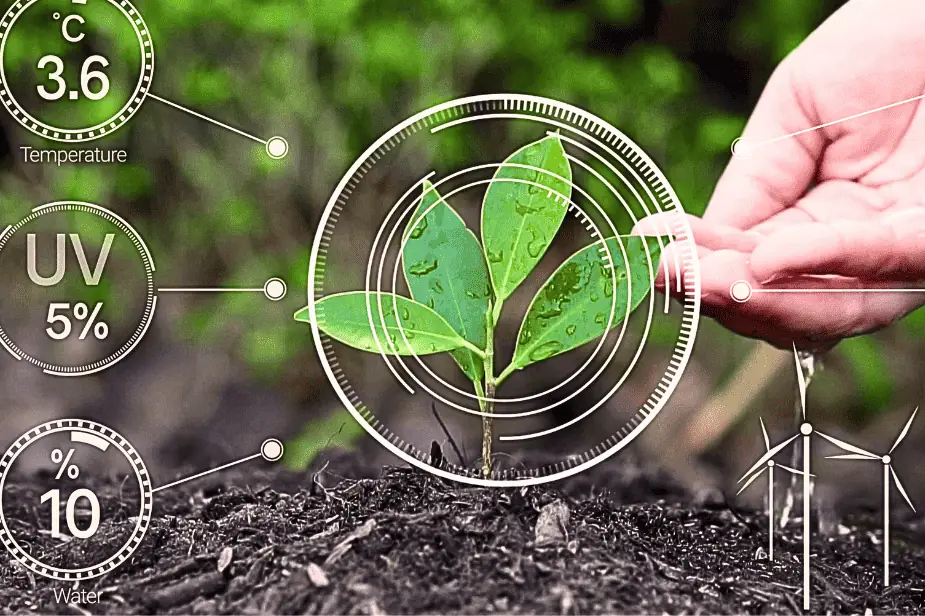
As cities expand and living spaces shrink, urban residents increasingly seek creative ways to enhance their compact outdoor areas. The challenge? Transforming limited garden spaces into vibrant, aesthetically pleasing retreats—often constrained by restricted sunlight, cramped layouts, or lack of privacy. Tech-Driven Aesthetic Landscaping for Small Gardens offers the perfect solution: a blend of innovative technology and thoughtful design that redefines urban green spaces.
With over 25 years dedicated to sustainable farming and urban agriculture technology, I’ve witnessed how combining cutting-edge tools with intentional aesthetics can transform even the most cramped spaces into lush, thriving gardens.
Urban gardening isn’t merely about growing plants—it’s about elevating quality of life, promoting sustainability, and fostering therapeutic benefits.
Within the hustle and bustle of city life, a thoughtfully designed, tech-driven garden becomes more than a green corner; it evolves into a sanctuary where nature and innovation coexist harmoniously.
Design Principles for Aesthetic Landscaping in Small Gardens
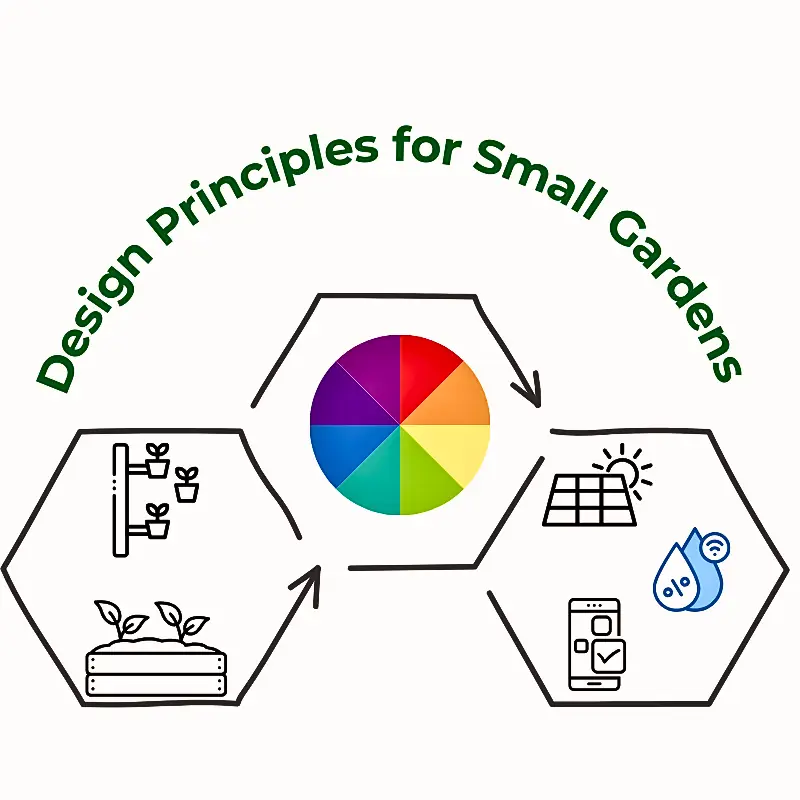
Creating beauty in a small garden requires intelligent design. Let’s explore some core principles:
Smart Space-Saving Solutions for Urban Gardens
Vertical Gardening Technology: My work with vertical growing systems at Agrovertical has shown me the immense potential of vertical spaces.
For more insights, also check out Vertical Gardening Techniques to Maximize Space guide on this website.
Emerging technologies, like those highlighted in this 2024 report, are pushing vertical gardens beyond hydroponics into AI-driven climate adaptation.
Tiered planters, vertical hydroponics, and modular furniture save space and add depth and visual appeal.
Multifunctional Furniture: Consider furniture that doubles as garden infrastructure, such as benches with built-in irrigation systems—a solution often recommended in urban gardening consultations.
Such integrations maximize utility without sacrificing aesthetics.
How Vertical Gardening Enhances Small Garden Aesthetics
Leveraging tech-driven garden aesthetics, apps, and digital tools helps visualize plant combinations and color palettes effortlessly.
These user-friendly apps simplify the planning process, enabling gardeners to preview arrangements and ensure visual harmony before planting.
Smart digital visualization tools help clients see possibilities.
The Role of Technology in Aesthetic Landscaping for Small Gardens
Blending technology into your garden isn’t just practical—it’s transformational.
Smart Irrigation: Water Efficiency for a Thriving Garden
If you’re looking for more ways to improve your small garden’s irrigation, explore our article on How to Create Efficient Layouts for Small Gardens.
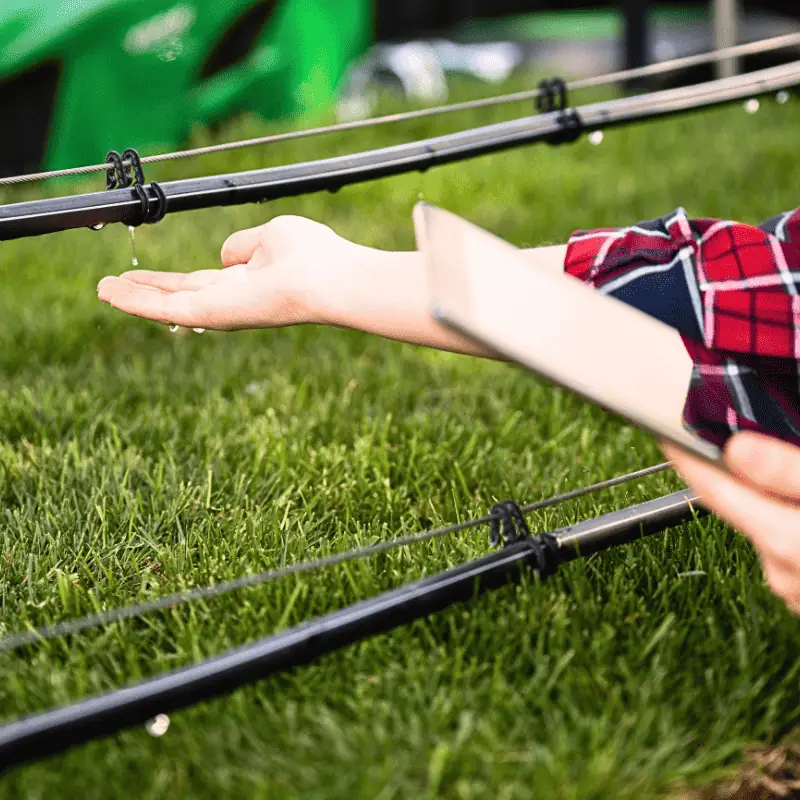
IoT sensors in compact gardens paired with drip irrigation systems, are great tools.
These systems monitor soil moisture and deliver precise watering, significantly enhancing plant health while saving resources.
IoT sensors in compact gardens paired with drip irrigation systems, are great tools.
They’re particularly beneficial for urban gardeners who juggle busy lifestyles, offering convenience and peace of mind through smartphone alerts and automated adjustments.
Recent advancements in AI, even backed by NASA research, are making these systems smarter and more accessible to novice gardeners.
Solar-Powered Lighting: Sustainable Ambiance for Small Gardens
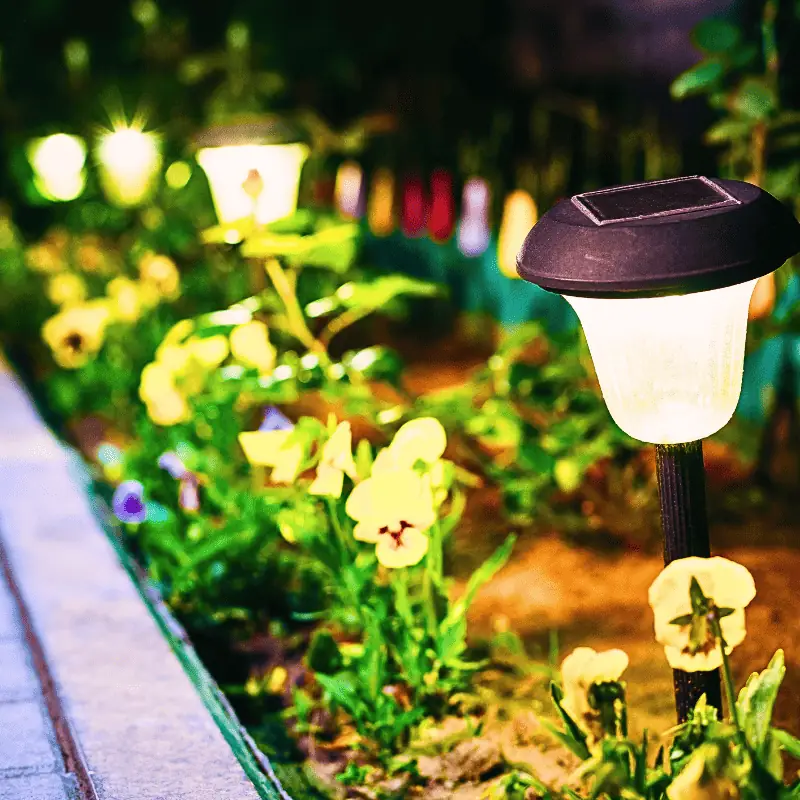
Illuminating your garden with solar-powered lighting is both eco-friendly and visually appealing.
LED lights powered by solar energy add ambiance without clutter, enhancing your garden’s nighttime charm.
I’ve seen firsthand how strategically placed solar lighting dramatically elevates small garden aesthetics.
IoT Gardening Tools for Effortless Plant Health Monitoring
Self-watering automated planters, can be effortlessly controlled through mobile apps. They deliver precise nutrients and water, significantly boosting plant health.
These planters allow even novice gardeners to enjoy flourishing plants with minimal maintenance and technical know-how.
Tech-Driven Aesthetic Landscaping: Robotic Solutions for Small Gardens
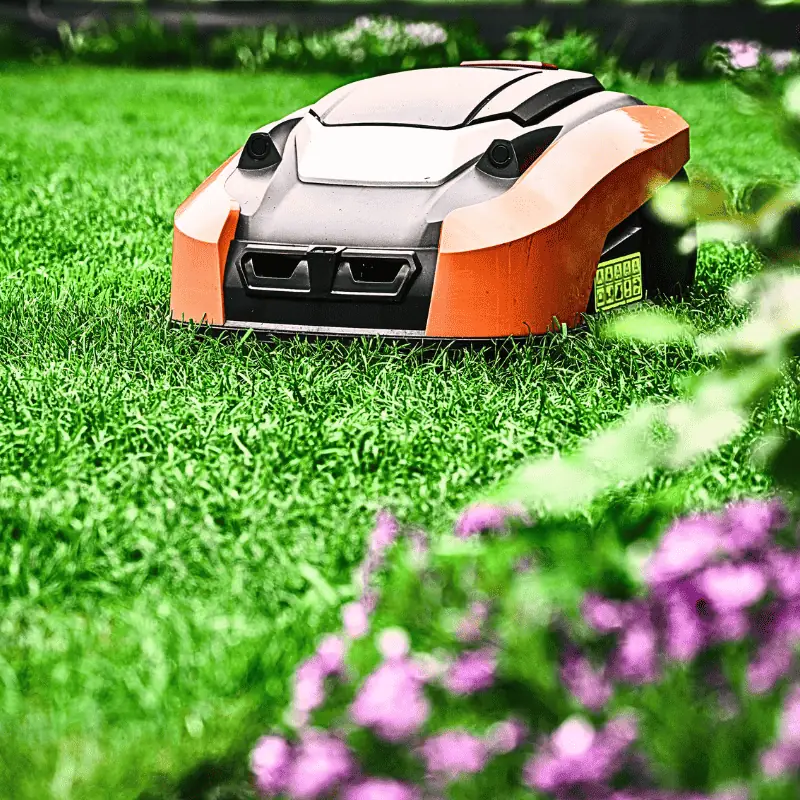
Automation isn’t limited to plant care—it extends to lawn maintenance, too.
Robot-driven grass-cutting machines are revolutionizing how urban gardeners manage even the tiniest patches of green, blending efficiency with sleek design.
Smart Robotic Lawn Care: Automated Grass Cutting for Small Garden Aesthetics
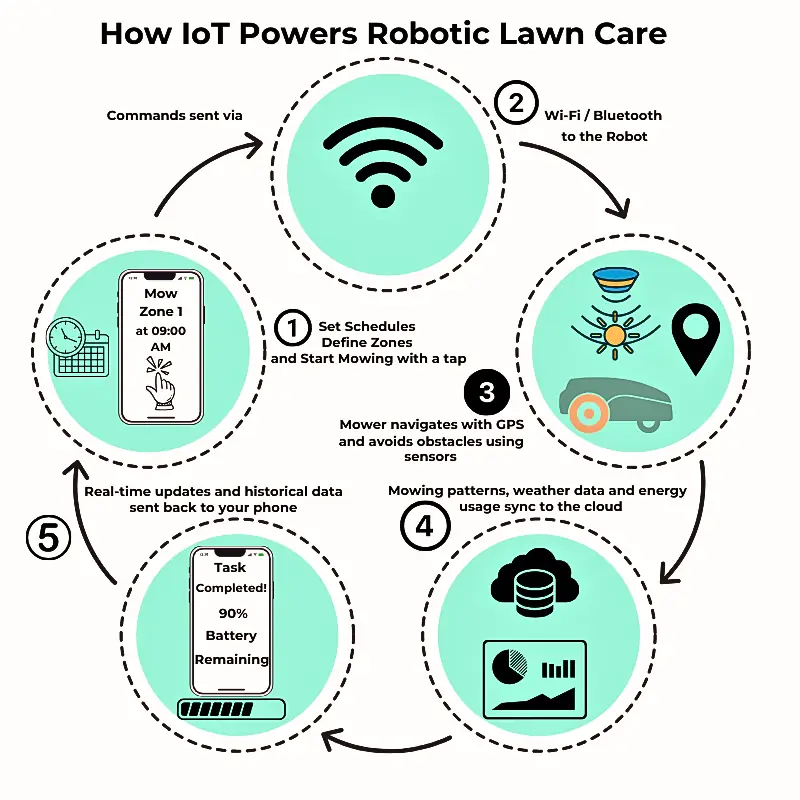
These autonomous devices use IoT connectivity and GPS/ultrasonic sensors to navigate small gardens or balconies with precision.
Users control them via smartphone apps, setting schedules, defining mowing zones (e.g., avoiding flower beds), and monitoring progress in real time.
The robots adjust blade height based on grass growth and return automatically to charging stations, ensuring uninterrupted operation.
For urban spaces, compact models (like those designed for lawns under 500 sq. ft. / 46.50 sqm) are ideal.
They reduce noise pollution, require minimal storage, and maintain consistently trimmed lawns, enhancing visual appeal without manual effort.
IoT integration also enables data collection—tracking mowing patterns, weather adaptation (e.g., delaying tasks during rain), and energy usage.
Budget-Friendly Tech Innovations for Small Garden Landscaping
Creating tech-driven garden aesthetics doesn’t have to break the bank. Here are affordable yet impactful tools and tips:
DIY Aesthetic Upgrades Using Recycled Materials
Pallets are commonly available and easily sourced from local hardware stores, warehouses, and online marketplaces.
Use reclaimed wood pallets to build vertical garden grids—an approach I’ve adopted.
DIY projects also add a personal touch, turning your garden into a reflection of your creativity and values.
Affordable Smart Gadgets to Enhance Your Garden
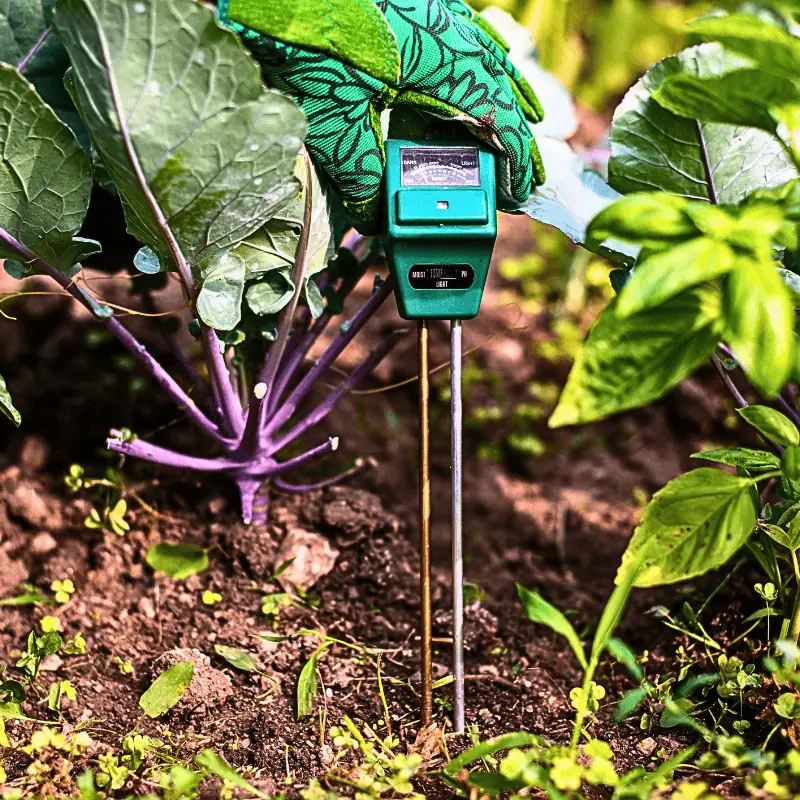
Smart soil moisture sensors (these days mostly under $50), help optimize watering without overspending. These gadgets offer substantial value by protecting plant health and conserving water.
How IoT Sensors Improve Plant Health in Small Gardens
IoT farming solutions, including sensors for temperature, humidity, and nutrient levels, significantly enhance plant health by providing real-time data for precise adjustments.
These affordable and user-friendly sensors have been invaluable for ensuring optimal growing conditions in my own gardens.
Final Thoughts: Elevate Your Small Garden with AgTech Innovations
Integrating aesthetic landscaping and tech-driven innovations, such as smart irrigation, solar-powered lighting, automated planters, and IoT sensors, creates visually stunning and sustainable urban gardens.
These compact spaces become personal sanctuaries that beautifully blend functionality and style.
Whether you’re a seasoned gardener or a curious beginner, exploring these AgTech innovations can significantly elevate your gardening experience.
Ready to transform your small space into a tech-driven garden paradise? Visit our site to explore the latest AgTech tools, or subscribe for more innovative urban garden landscaping tips.
Your tiny space can have a significant impact—both aesthetically and environmentally.
Before You Go—Grab This Free Guide- Your Tech-Driven Garden Oasis!
Take your gardening journey to the next level with our exclusive guide: Small-Space–Big Impact: Your Tech-Driven Garden Oasis. Filled with actionable tips and creative ideas, this guide will help you maximize your growing potential in small urban spaces.
Click the button below to download your free copy and start planning your productive garden today!

How do I design a small garden that’s modern and high-tech but still feels natural?
Start with a simple layout and treat technology as a subtle layer, not the main feature. Use plants, textures, and vertical gardening structures to create the main “feel” of the space, then tuck tech in around them.
Hide cables for lights or smart irrigation along fences, under decking, or behind containers so they’re invisible. Choose gadgets in neutral or dark tones that blend into pots, edging, or furniture rather than shouting “plastic.”
The goal is a calm, green sanctuary where smart tools quietly support plant/soil health and climate-smart cultivation in the background.
Is smart garden tech really worth it in a tiny yard or on a balcony?
It can be, as long as you focus on your biggest pain points instead of trying to build a mini sci-fi lab. In a very small space, one smart hose timer, a simple drip kit, or a couple of self-watering planters can be enough to stop your containers drying out when you’re busy.
A few well-placed solar or low-voltage lights can transform a dark corner into a cozy evening spot. Think in terms of “one or two high-impact upgrades” rather than a full IoT farming solution: if a gadget reliably saves you time, water, or plant losses, it’s earning its keep even in a 6×10 ft (1.8x3m) patio.
How can I fit plants, seating, and gadgets into a tiny garden without it feeling crowded?
Multi-purpose design is your best friend. Use walls, railings, and fences for vertical planters so the floor stays open for a slim bench or bistro set. Choose compact furniture that tucks under tables or doubles as storage for tools and smart gear.
Run smart irrigation lines neatly along edges and choose small, integrated devices (for example, a soil sensor that also acts as a tiny path light). Keep the layout simple—one main seating zone, one main green wall, a few key containers—so your tech and décor support the flow instead of chopping the space into lots of little pieces.
Which smart garden gadgets have the biggest impact in a small space?
For most small-space and urban agriculture setups, automatic watering and lighting give the best return. A smart hose timer or balcony drip kit keeps container soil moisture more stable, which is crucial for healthy roots and plant/soil health in vertical and raised planters.
Solar or low-voltage LED lighting adds instant “wow” at night and makes the garden usable after work without extra wiring. After that, consider a simple indoor/outdoor plant monitor if you like data, or a smart plug for pumps, fountains, or feature lights so you can control them from your phone.
Robot mowers and more advanced AgTech innovations are usually only worth it if you have a real patch of lawn to maintain.
How can I automate watering in a small garden without making things complicated?
Keep it minimal. For a balcony or courtyard, one battery-powered hose timer feeding a short drip line or soaker hose is often enough for all your pots. Program it with one or two short cycles per day, then tweak based on how your plants respond.
Some compact controllers now link to weather data or rain sensors, so they’ll pause watering in wet conditions and support more climate-smart cultivation. If you only have a handful of plants, self-watering containers or capillary mats can automate most of the job without any electronics at all.
Whatever you choose, test it for a week while you’re home so you can fine-tune the schedule before you trust it fully.
Is a robotic lawn mower practical for a very small lawn or courtyard?
Sometimes, but not always. If you have a tiny patch of grass and hate mowing—or can’t easily do it—a small robot mower can keep it neatly trimmed with very little effort. However, you’ll still need space for the charging base and boundary wires or markers, which can feel intrusive in a courtyard-sized lawn.
For many very small gardens, a cordless electric trimmer or manual reel mower is faster, cheaper, and visually simpler. Ask yourself: “Does this robot actually save me time and noise, or am I adding another thing to charge, clean, and store in a space where every square meter counts?”
What’s the best way to add lighting to a small garden for ambiance without annoying the neighbors?
Choose warm, low-glare lighting and aim it inwards, not outwards. Solar stake lights along paths, LED strips under benches, and fairy lights on a trellis or pergola all create a soft glow without blasting light into nearby windows. Avoid harsh floodlights or flashing colors in tight urban settings.
Many modern solar lights and smart garden fixtures offer dimming, timers, or app control, so you can set them to switch off automatically at a sensible hour. Done well, your lighting upgrades both safety and atmosphere without creating light pollution or late-night arguments over brightness.
How can I use vertical gardening in a small space without it looking messy?
Think “structured” rather than “random.” Use matching wall planters, a modular vertical garden system, or evenly spaced hooks and pots to create clean lines. Group plants by growth habit—trailing varieties at the top, compact herbs or flowers in the middle, and shade-lovers lower down where light is softer.
To keep maintenance light, combine vertical gardening with a simple irrigation line or self-watering vertical unit so you’re not watering 20 individual pockets by hand. Regular light pruning and an occasional re-plant keep the wall tidy and prevent it from turning into a jungle that visually shrinks the space.
How do I keep tech devices from spoiling the look of my garden?
Treat gadgets like utilities: necessary, but mostly hidden. Run irrigation tubing under mulch or along straight lines that read as part of the design. Nestle sensors behind foliage or in the back of containers instead of front and center.
Pick hardware with discreet designs—no bright neon plastic if you’re going for a quiet, natural feel. You can also “dress” tech with décor: hide smart plugs in weatherproof boxes, tuck speakers into decorative lanterns, or use planters to conceal a Wi-Fi extender.
When tech is camouflaged this way, visitors notice the lush planting, calm lighting, and good layout—not the hardware making it all run.
How can I make my small garden look stylish on a budget, using tech or DIY ideas?
Start by tightening your color and materials palette—two or three main colors for pots and furniture instantly make the space feel more “designed.”
Then layer in affordable tech that supports that look: simple black or bronze solar lanterns, a budget smart plug for a feature light or pump, and perhaps one entry-level moisture sensor to learn your containers’ habits.
DIY projects like pallet vertical gardens, painted cinder-block benches, or upcycled containers with integrated drip lines can add a designer feel for very little cost.
Focus on one or two high-impact upgrades at a time, and choose tech that genuinely reduces manual work so you can spend your energy on organic planting, vegetable gardening, or other creative touches rather than constant chores.
Can I connect my garden lights, irrigation, and sensors into one system or app?
Often yes, especially if you choose devices that support common smart-home platforms. Many hose timers, outdoor smart plugs, and garden lights now work with systems like Google Home, Alexa, or Apple Home.
That means you can create simple automations—turning on path lights at sunset, or pausing irrigation after rain—without writing code. If you enjoy tinkering, you can go further with open-source hubs to tie more niche AgTech innovations together and create advanced routines.
Just make sure your Wi-Fi or hub signal actually reaches your balcony, courtyard, or small yard; a compact outdoor repeater is sometimes the most important “garden gadget” you’ll buy.
Will my smart garden devices hold up in bad weather or extreme climates?
Most outdoor-rated devices are designed to handle typical rain and sun, but always check the IP rating and temperature range before you buy. In wet, cool climates, favor hardware marked as waterproof, not just splash-resistant, and think about how you’ll avoid constant damp on plugs and connectors.
In hot, dry regions, lighter-colored housings and a bit of shade can help protect plastics and electronics from overheating. In very cold climates, drain and disconnect irrigation lines before hard frosts and bring sensitive sensors or hubs indoors if the manufacturer recommends it.
Choosing robust equipment upfront—and giving it a little shelter where you can—means your small-space, tech-driven garden stays both beautiful and functional through the seasons.