


Introduction
Farmers have always sold their harvest, a tangible product exchanged in a single transaction. But what if there’s another product hidden in plain sight—one that can be sold over and over again to countless buyers worldwide?
A New Kind of Product: Farm Data as a Digital Asset
Imagine turning each pesticide application, soil test, or weather record into a digital asset as tradable as gold. This article examines how blockchain technology can enable farmers to instantly monetize their agricultural data, thereby unlocking a new revenue stream and shaping the future of farming.
Why This Deep Dive Matters
Fair warning: this is a comprehensive deep-dive. As you could see from the table of contents, we’re covering significant ground—but there’s a method to the thoroughness.
Quick summary: What you’ll get from this guide
- What kinds of farm data are actually valuable to buyers (beyond just yield maps and simple records).
- 6+ real buyer groups: agrochemical and biological companies, insurers, regulators, commodity traders, consultants, precision ag platforms and more.
- How a blockchain agrodata marketplace could pay farmers (often using stablecoins) while keeping data ownership and permissions with the farmer.
- Regulatory and compliance use cases (GLOBALG.A.P., food safety, traceability) and where realistic revenue might come from.
- Key risks, adoption challenges and why this kind of marketplace doesn’t exist at full scale yet.
Who this guide is for
- Farmers and co-ops exploring new income streams from agrodata and climate-smart cultivation records.
- AgTech, IoT and platform teams building tools around farm, soil and plant health data.
- Ag input companies, insurers and regulators who want a realistic view of how farm data could flow and who might pay for it.
The Three Building Blocks of Data Monetization
This concept requires understanding three interconnected pieces: the “digital product” farmers can create, the blockchain trading platform that enables sales, and most importantly, the real buyers facing genuine problems that agricultural data can solve.
While I could have split this into a series of articles, I believe seeing the complete ecosystem in one place is essential to grasp how farmers can truly monetize farm data with blockchain technology.
How to Monetize Farm Data with Blockchain Scanning
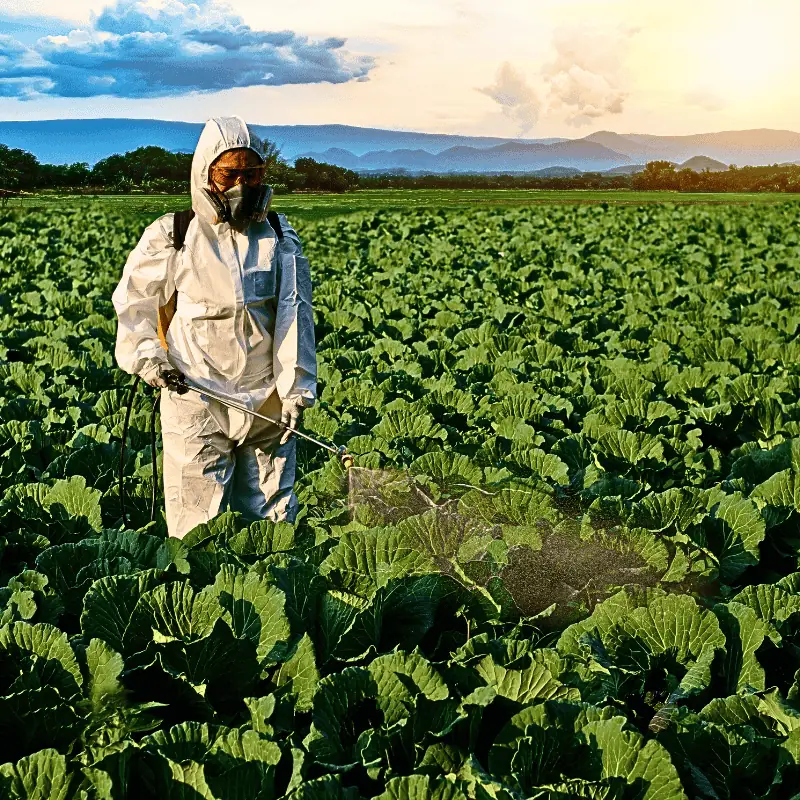
Let’s look at a farmer who has just finished spraying crops. Traditionally, the value of this task is considered complete once it is finished. But today, the farmer is turning this ordinary farm activity into an extraordinary digital asset, monetizing detailed agricultural data.
After spraying, the farmer opens a user-friendly app on a smartphone or tablet. With a simple photograph of the pesticide container, crucial details such as the product name, batch number, manufacturing date, and expiry date are instantly captured and processed by the app.
OCR: Turn Labels into Blockchain-Monetized Data

To make data input even easier, the platform should use smart label recognition powered by OCR (Optical Character Recognition).
When a farmer snaps a photo of a pesticide, fungicide, or fertilizer label using their smartphone camera, the app automatically reads and extracts key details such as: Product Name, Batch Number, Production Date, Expiry Date, Manufacturer Info.
These details are instantly converted into text and auto-filled into the relevant fields. This drastically reduces manual entry, prevents typing errors, and enhances data credibility, making the dataset more appealing to prospective buyers.
After all, if you just finished an extensive spraying operation, collected and stored/disposed empty containers, cleaned spraying equipment, and are feeling tired after a long working day, you would not necessarily want to spend another 30-40 minutes fiddling through the app trying to correctly spell ” Chlorantraniliprole” for the 5th time while getting an “incorrect” response.
User experience (UX) should be intuitive, simple, and guide the end user (who may not be the tech person) into the next logical step.
By reducing friction and improving precision, smart scanning transforms a simple photo into a high-value data asset.
6 High-Value Farm Data Categories to Monetize
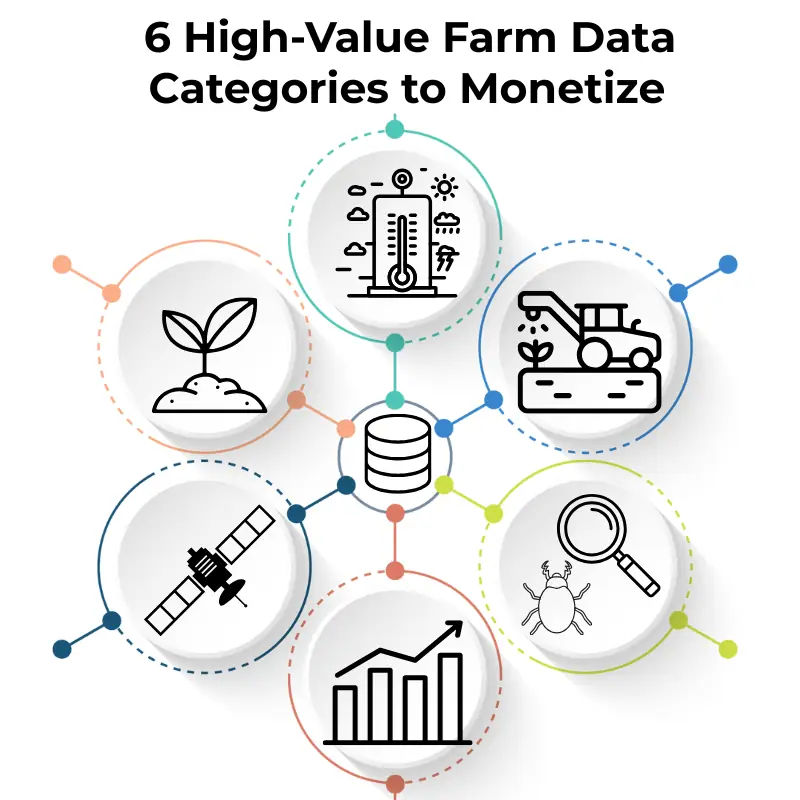
The farmer then adds further valuable data, significantly enriching its market value. By providing these carefully categorized data points, the farmer essentially creates an extremely valuable, refined digital “product” that buyers further upstream leverage for profitability.
These include, (but as lawyers like to say, “are not limited to“, as the app needs to be flexible for further data additions, such as homemade fertilizer remedies and veterinary/animal production in mixed farms):
Farm & Crop Information
Treated farm area, crop variety, seed type (hybrid/heirloom), growth stage, compliance certifications (Organic, GLOBALG.A.P.)
Environmental Conditions
Weather history (previous 3 days), exact weather during application, soil test results, or observational data (moisture, pH, nutrients, organic matter)
Application & Equipment Details
Pesticide/fertilizer names, application rates, tank-mix specifics, exact date/time of spraying
Equipment type and capacity (e.g., knapsack or tractor-driven), age, calibration, maintenance status, energy consumption (fuel type and efficiency)
Crop Health Observations
Photos or notes on pests, weeds, diseases, crop abnormalities, vigor, and overall health indicators triggering treatments
Precision & Historical Performance
GPS coordinates, drone/satellite imagery, NDVI data
Historical yields, previous pest/disease management practices, past disease/pest outbreaks, and economic losses from prior seasons
Economic & Market Insights
Costs of inputs (seeds, fertilizers, pesticides), labor hours, machinery use, and profitability per crop cycle
Market destinations for crops, historical pricing, contract terms, and personal farmer insights (practical observations, best practices, effectiveness of treatments)
Turning Data into Digital Assets
Once submitted, this structured data is securely anonymized, embedded into the blockchain, and instantly becomes available for interested buyers, enabling immediate cryptocurrency payments directly to the farmer.
From Upload to Income: How Blockchain Trading Works
Upon submission, the farmer logs into a secure blockchain-enabled trading platform. Immediately, a smart contract activates, securely anonymizing and embedding this comprehensive dataset into an immutable blockchain.
Buyers, including agrochemical companies, agricultural researchers, commodity traders, insurance providers, technology companies, and governmental bodies, can browse, filter, and purchase datasets specifically relevant to their needs.
Every transaction instantly triggers an automated cryptocurrency payment directly to the farmer, creating immediate financial rewards and turning everyday farm operations into ongoing revenue streams.
Buyer’s Journey: Finding the Perfect Dataset
Imagine you’re a cocoa trader at a multinational firm. You need rainfall and pesticide data from smallholder farms in West Africa to predict next season’s yields. Here’s how you’d use the platform’s filters:
Data “Shopping-Friendly” Experience by Filtering
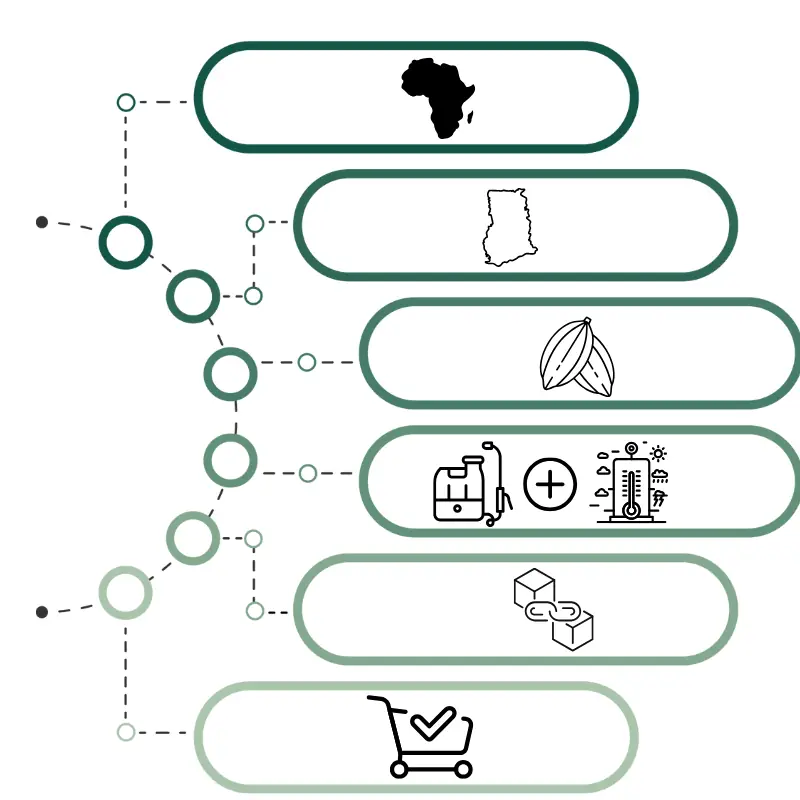
Accessing the Farm Data Marketplace
You log into the blockchain-based agricultural data marketplace—a digital storefront similar to Amazon, but for farm data. The homepage displays trending datasets (e.g., “Maize Soil Health in Brazil” or “Cotton Irrigation Trends in India”).
Primary Filters — Getting the Basics Right
You start broad, using primary filters to narrow your search:
Region: Select “West Africa” → Further drill down to “Ghana” or “Côte d’Ivoire.”
Crop Type: Choose “Cocoa.”
Data Type: Pick “Pesticide Application” and “Weather Data.”
Instantly, the platform shows datasets like:
“Pesticide Spray Records (Knapsack) + Rainfall Data: Cocoa Farms, Ghana, 2026”
“Soil Moisture & Fungicide Use: Smallholder Cocoa Growers, Côte d’Ivoire”
Secondary Filters — Zooming In on Specifics
Next, you get granular with secondary filters:
Time Range: “Last three growing seasons” (to analyze trends).
Equipment Type: Select “Knapsack Sprayers” (common among smallholder farmers).
Environmental Conditions: Filter for “High Rainfall (>1500mm/year)” or “Humidity >80%.”
Data Granularity: Choose “Raw Data” (for your team’s AI models) or “Pre-Analyzed Trends” (for quick insights).
Previewing & Validating Dataset Quality
You click on a dataset titled:
“Knapsack Pesticide Efficacy in High-Rainfall Cocoa Farms (Ghana, 2026)”
The platform lets you preview:
Sample Data: A snippet showing anonymized pesticide types, application rates, and rainfall correlation.
Metadata: How many farms contributed data (e.g., “1,200 anonymized entries”), average farm size, and blockchain verification stamps (proving the data is untampered).
Farmer Credibility Score: A rating based on historical data accuracy (e.g., “Farmers in this dataset have 95% consistency in logging”).
Blockchain-Powered Purchase & Delivery
You click “Buy Dataset.” Behind the scenes:
The smart contract verifies that you have sufficient cryptocurrency (e.g., stablecoins like USDC) in your linked wallet.
Payment is split automatically: 90% to the farmers, 10% to the platform as a fee.
The dataset is decrypted and downloaded to your dashboard instantly, accompanied by a blockchain certificate of ownership.
What Happens After You Buy
Re-Sell Insights? You could later sell your analysis (e.g., “Cocoa Yield Predictions 2027”) back to the platform, sharing royalties with the original farmers.
Subscribe: Set alerts for new cocoa datasets from Ghana.
Why Filters Matter — Precision, Transparency & Empowerment
Precision: Buyers avoid sifting through irrelevant data (e.g., a maize seed company isn’t flooded with coffee farm records).
Transparency: Every filter choice is recorded on the blockchain, preventing manipulation (e.g., a buyer can’t falsely claim data was “unfindable” to negotiate lower prices).
Farmer Empowerment: Filters prioritize high-quality, detailed data, rewarding farmers who invest time in accurate logging.
Explore the Future of Agricultural Data Trading — Interactive Mockup Demo
How the Interactive Marketplace Demo Works
To help you visualize the concept, below you’ll find a fully interactive mockup that demonstrates how this proposed agricultural data marketplace functions from two different perspectives—Buyer’s and Seller’s.
Browse Markets — The Buyer’s Perspective
First, explore the buyer’s view through the “Browse Markets” dashboard. This platform will allow agricultural companies, commodity traders, researchers, institutions, and other stakeholders to seamlessly browse and purchase anonymized farming data from across the globe.
From here, users can filter by crop type, region, and date range. Once narrowed down, they can easily preview and purchase individual spray events or seasonal data bundles using cryptocurrency.
Smart Filtering for Targeted Data Discovery
As this marketplace continues to mature, increasingly sophisticated and targeted filters will become available. These features are designed to help buyers find highly relevant datasets with precision. For instance, filters may include:
Climate-specific filters (arid regions, tropical zones, temperate climates)
Equipment-specific data (16-liter knapsack sprayers, drone applications, tractor-mounted systems)
Crop-specific insights (wheat pest management, corn fertilization, rice irrigation)
Farm size categories (smallholder farms, commercial operations, organic certified)
Seasonal timing (pre-planting, mid-season, harvest period)
Pest/disease specific outbreaks (locust swarms, fungal infections, drought stress)
Soil type classifications (clay, sandy, loamy soils)
By layering these filters, buyers can zero in on exactly the datasets they need.
Sell Your Data — The Farmer’s Perspective
Now, switching to the seller’s side of the interface, click “Sell Your Data” to experience a mobile-friendly platform designed specifically for farmers. This feature allows users to easily input their spraying records, pest observations, and field conditions.
Through this demo, you’ll be guided through a simple step-by-step data entry process, which concludes with an instant blockchain transaction and payment.
Real-World Marketplace Considerations
Although this demo shows instant transactions for simplicity, actual real-world deployment involves several additional factors that must be considered.
Blockchain Confirmation Times: In practice, blockchain transactions typically require between 2–15 minutes for confirmation, depending on network traffic and desired security settings.
Marketplace Dynamics: Unlike traditional storefronts, this ecosystem operates more like a data marketplace. That means:
Farmers upload and list their data with pricing
Buyers browse and evaluate available datasets
Purchase decisions hinge on relevance, quality, and pricing
Sales might occur instantly, but could also take days—or longer
Some data may remain unsold if market demand is low
No Guaranteed Revenue: It’s important for farmers to recognize that revenue from data monetization will depend on various factors. These include market demand, data quality, and competitive pricing. As such, income is not guaranteed and may be intermittent.
Ultimately, data monetization presents a promising opportunity—but not a certainty. It requires patience and persistence as the marketplace evolves over time.
Transparency, Empowerment, and Evolution
At its core, this mockup illustrates how technology can foster a secure, transparent marketplace—one that fairly compensates farmers for their invaluable agricultural insights.
At the same time, it equips prospective buyers with the data they need to improve profitability, drive innovation, and support sustainable farming practices across diverse regions.
Tip: Swipe left or right ⬅️➡️ to explore all table columns if you are viewing this article on your mobile phone.

Buy and sell verified, anonymized spray & sensor data from farms around the world.
Browse Markets Sell Your Data| Crop | Region | Last Sale | Volume | Farmers | Price/Event | Action |
|---|---|---|---|---|---|---|
| Corn | USA | 2024-09-10 | 1,200 | 25,000 | 0.02 USDC | |
| Potato | Germany | 2024-09-05 | 350 | 20,000 | 0.03 USDC | |
| Rice | Thailand | 2024-08-20 | 900 | 30,000 | 0.015 USDC | |
| Maize | Botswana | 2024-07-30 | 220 | 5,000 | 0.018 USDC | |
| Tea | Kenya | 2024-06-15 | 480 | 15,000 | 0.025 USDC | |
| Flower Bulbs | Netherlands | 2024-05-10 | 610 | 12,000 | 0.022 USDC |
Enabling Easy Crypto-to-Local Currency Payments

One of the most valuable aspects of this proposed blockchain-based marketplace would be its ability to provide farmers with instant earnings through cryptocurrency.
Yet, for many smallholder farmers in developing regions, direct access to crypto wallets connected to traditional banks remains limited.
To bridge this gap, the platform could introduce seamless solutions that convert cryptocurrency to local currency in real time — ensuring farmers can effortlessly access their funds.
Local Mobile Money Platforms — Simplifying Access
In this scenario, farmers receive cryptocurrency payments that are automatically converted into widely-used mobile payment services, such as M-Pesa in Kenya or MTN Mobile Money in West Africa. As a result, they can immediately withdraw cash from nearby kiosks or agents — all without needing a conventional bank account.
Leveraging Third-Party Conversion Services
Additionally, regional companies like Yellow Card, AZA Finance (formerly BitPesa), Paxful, and Binance P2P offer rapid crypto-to-cash conversion via user-friendly mobile apps. Farmers are notified via SMS and can cash out at local agents, removing technical barriers and enabling fast monetization of farm data.
Digital Wallets with Peer-to-Peer Capabilities
Alternatively, farmers can accept payments via services like Trust Wallet, Coinbase Wallet, or Binance Pay. These apps allow them to store crypto and convert it instantly into local currency through built-in peer-to-peer exchanges — a process that’s easy, secure, and doesn’t require bank involvement. Payments become usable at mobile money agents right away.
Ultimately, these payment solutions would guarantee that every farmer, regardless of their existing financial setup, can quickly and securely access earnings generated from their farm data — a major step toward financial inclusion.
Taxation and Regulatory Considerations
The conversion of cryptocurrency into local currency is generally subject to taxation, but the specific tax treatment varies significantly across regions. Farmers and platform developers must stay informed of local laws to ensure compliance.
Tax Reporting Simplified Through Automation
To assist farmers, the blockchain platform can offer automated transaction histories, earnings summaries, and downloadable tax documentation—tools designed to simplify tax reporting and compliance.
Tax Guidance for Key African Markets
Kenya: Excise Duty and Capital Gains
Earnings from crypto conversions may be taxed as income or capital gains. The previously applied 3% Digital Asset Tax was repealed in 2025 and replaced by a 10% excise duty on crypto platform service fees, while gains from selling crypto assets are subject to a 5% Capital Gains Tax.
Although M-Pesa does not yet directly interface with the Kenya Revenue Authority (KRA) for automatic crypto tax reporting, businesses accepting crypto payments must self-report to KRA.
Nigeria & Ghana: Formalization and Self-Reporting
In Nigeria, crypto taxation is becoming formalized, with income or capital gains tax applicable on profits, and a 7.5% VAT on crypto service fees. Ghana taxes crypto profits as capital gains at 15%, with income tax applying to mining or crypto salaries. In both countries, digital wallets provide clear transaction logs that assist tax reporting, but compliance currently relies on self-reporting by individuals and businesses.
South Africa: Intangible Assets and Reporting Thresholds
Cryptocurrency is treated as an intangible asset, not currency. Profits from crypto transactions are subject to Capital Gains Tax or Income Tax, depending on the nature of the transaction, with an annual capital gains exclusion of R40,000. Detailed reporting via annual tax returns is required.
Reporting Infrastructure and Platform Tools
It is important to note that automatic linkage between mobile money platforms and tax authorities for crypto tax compliance remains uncommon; users are still expected to self-report their earnings and transactions manually.
To help bridge this gap, major crypto platforms are increasingly introducing user-facing tools for generating tax-compliant reports, enabling individuals to organize, review, and submit relevant data more efficiently.
Staying Current: African Regulatory Evolution
As African regulatory and tax frameworks continue to evolve rapidly, it is essential to stay current with official guidance from local revenue services — and, where possible, to leverage built-in platform features that support seamless documentation and reporting.
Who Would Be Buying Farm Data in a Blockchain Marketplace?
We’ve described the digital “product” farmers could create from everyday farm activities, the kind of innovative marketplace where it might be traded, and the seamless payment methods that could, in turn, provide instant rewards.
However, raw data—like any commodity—only truly becomes a product the moment someone is willing to pay for it. So, who would potentially want to purchase highly granular agricultural data?
To begin exploring this, let’s consider the most obvious possibilities.
Agri-Chemical Companies Seeking Performance Insights
For instance, think of a multinational pesticide company meticulously analyzing detailed spray records from 10,000 farms. They would be particularly interested in understanding why their latest herbicide underperformed in regions with heavy rainfall, and they might use that insight to optimize future formulations.
In fact, to them, farmers’ spray records could represent far more than raw data—they might serve as a billion-dollar shortcut to product improvement, better targeting, and long-term competitive advantage.
Data-Driven Agrochemical Marketing Revolution: How to Monetize Farm Data with Blockchain
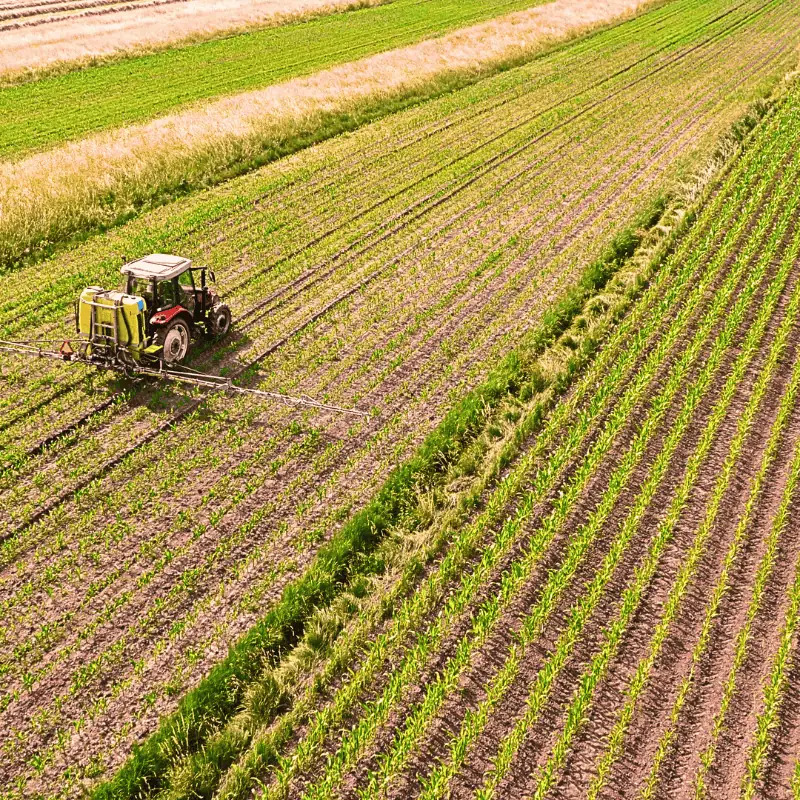
Before diving into the revolutionary impact of data on agrochemical marketing, it’s worth reflecting on where this all started. I began my journey in pesticide sales over 20 years ago—armed with product catalogs, printed brochures, and the hope that my company provided at least some basic prospective client lists.
I often wished I could see what products the farmer was already using, which pests were troubling them, and what competitor brands were sitting in their shed. That future has gradually arrived, powered by blockchain and real-time data collection, enabling farmers to monetize farm data with blockchain technology.
Traditional Agrochemical Strategies – Effective But Reactive
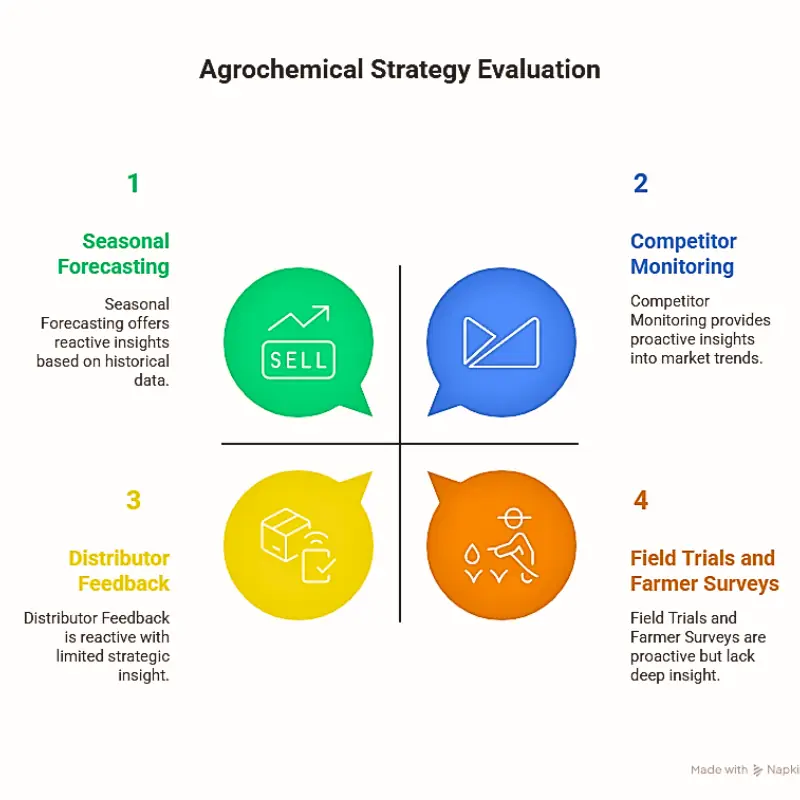
Agrochemical companies historically relied on:
-
Seasonal forecasting based on past sales and regional trends
-
Distributor feedback to guide inventory allocations
-
Field trials and anecdotal farmer surveys to shape messaging
-
Competitor monitoring via price sheets and informal intelligence
While functional, these strategies suffer from lag and inefficiencies, such as overstocking or shortages. For example, drought in Brazil can cause distributors to be stuck with excess glyphosate drums when soybean planting is delayed.
Enter Data-Driven Strategy – Real-Time, Hyperlocal, Predictive
Today, a new model is emerging—one that leverages raw farm-level data captured via OCR technology, blockchain, and machine learning. With apps enabling farmers to scan pesticide labels and upload usage data, marketing teams are now plugged directly into the field.
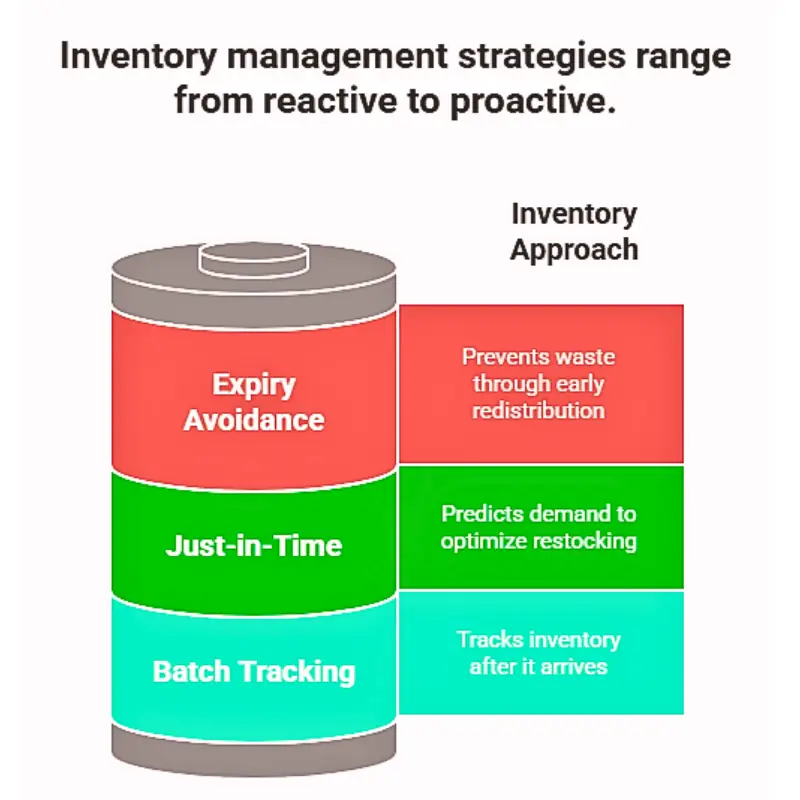
Precision Inventory Management
-
Batch Tracking: Combining batch numbers and container sizes optimizes supply chain logistics.
-
Just-in-Time Restocking: ML algorithms identify rising demand zones and adjust deliveries.
-
Expiry Avoidance: Overstocked SKUs are flagged early for redistribution or discounting.
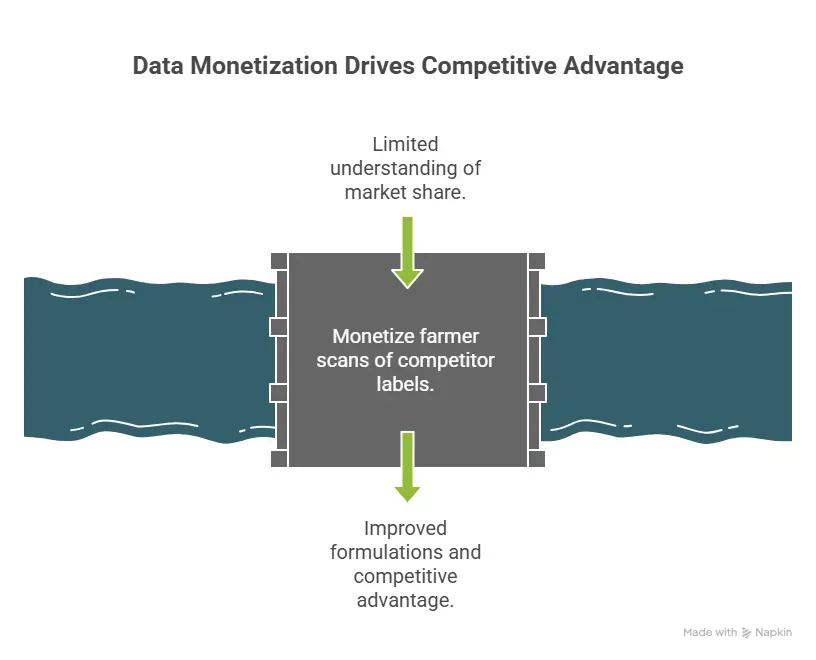
Competitor Intelligence, Finally Quantified Through Data Monetization
-
Farmer scans of competitor labels reveal which brands are gaining market share.
-
Real-world usage patterns help refine formulations, such as adjusting herbicide rates in waterlogged zones.
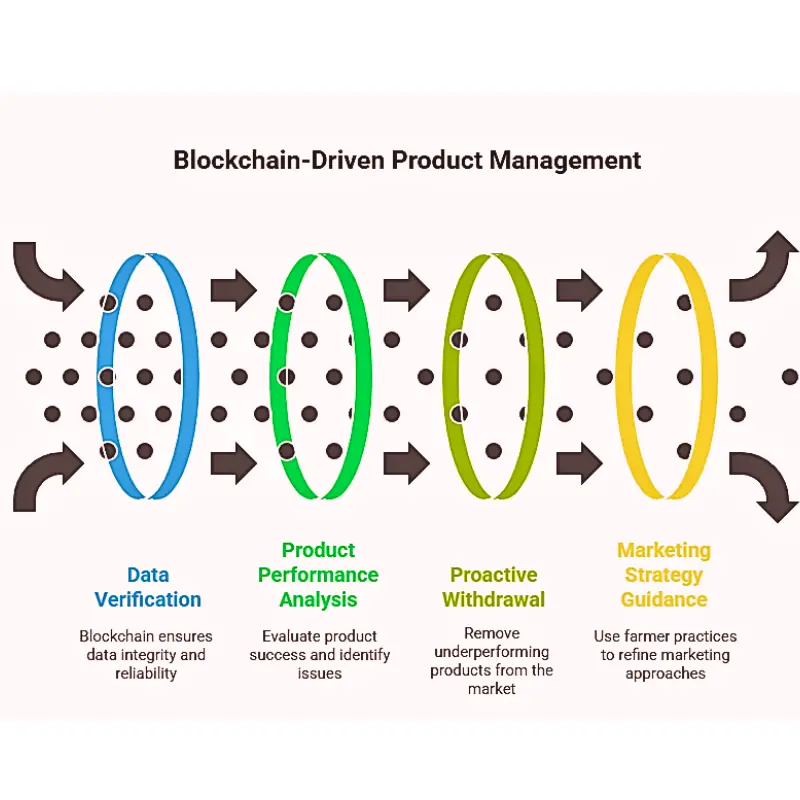
Product Performance in the Wild: Blockchain-Powered Insights
-
Early efficacy reports inform R&D on new product launches.
-
Poorly performing products can be proactively withdrawn based on blockchain-verified data.
-
Emerging farmer practices, like tank mix trends, guide marketing strategies.
SKU-Level Intelligence for Enhanced Product Tracking and Monetization
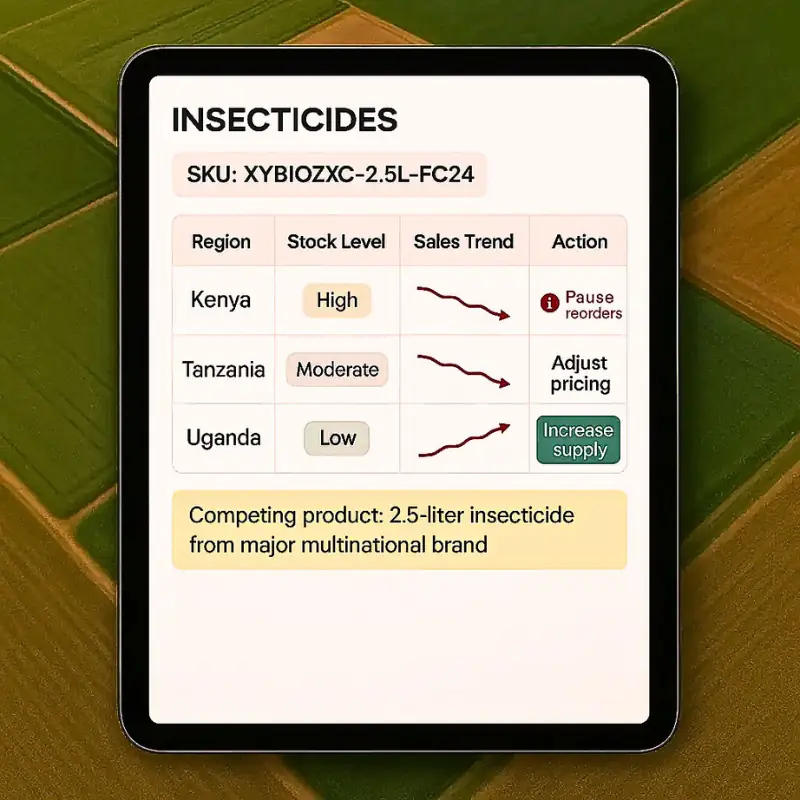
SKU (Stock Keeping Unit) data facilitates:
-
Market-level decisions on pack sizes and preferences (e.g., Uganda vs. Tanzania).
-
Counterfeit detection and precision product recalls through blockchain traceability.
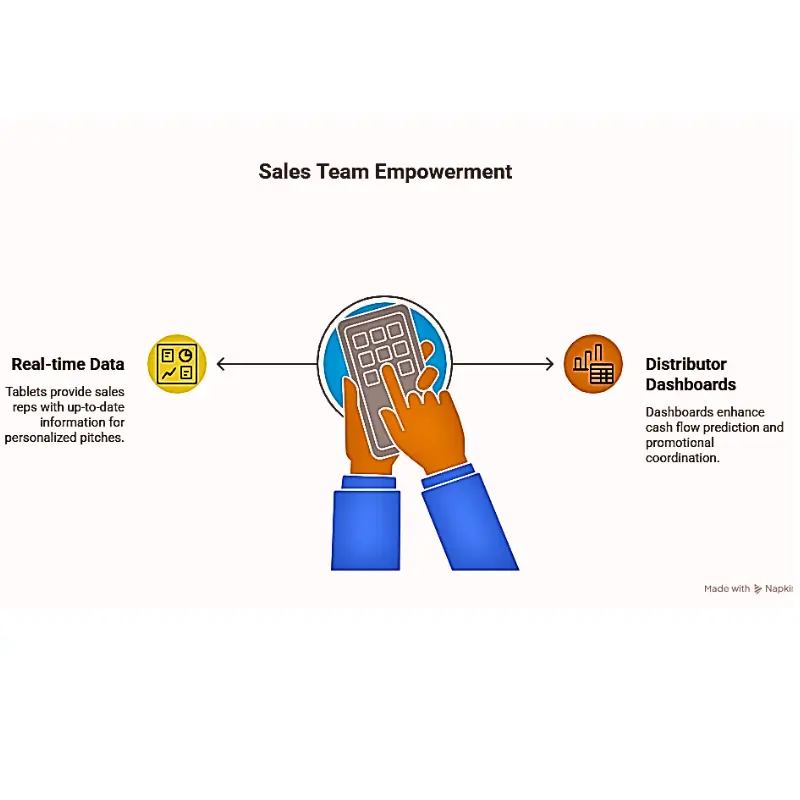
Empowering Sales Teams with Blockchain-Enabled Field Data
-
Tablets synced with real-time data enable sales reps to tailor pitches: “Farmer X uses Competitor Y but struggles with pest Z.”
-
Distributor dashboards improve cash flow forecasting and promotional alignment.
Strategic Marketing Transformation Through Monetized Farm Data
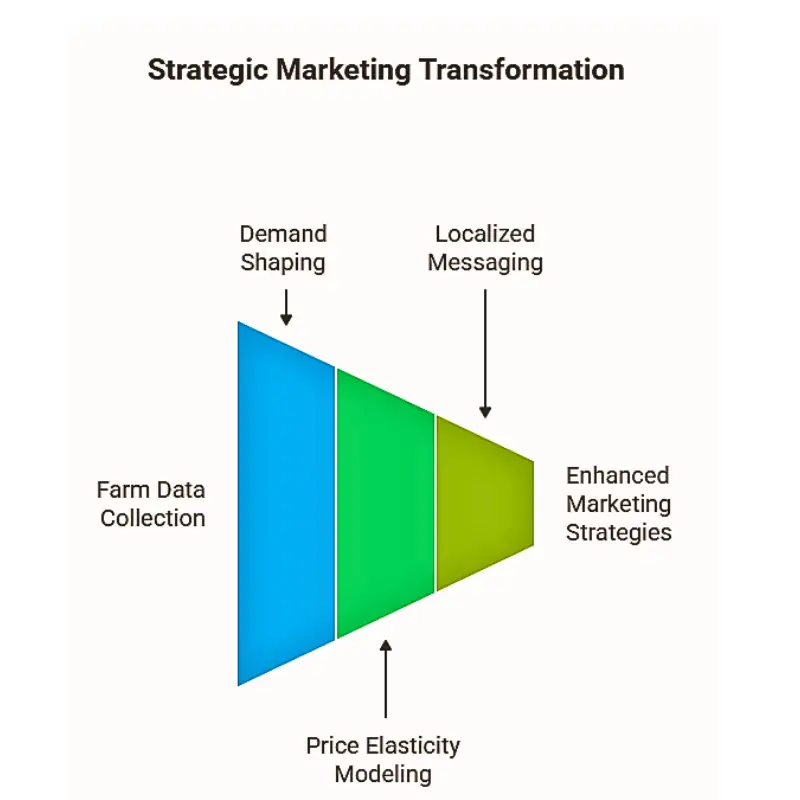
Demand shaping via loyalty programs and seasonal discounts.
Price elasticity modeling using inventory and market pricing data.
Localized messaging highlighting appropriate agrochemical offers in regions with low adoption or resistance indicators, based on real-time sensor and usage data.
How Urban Gardeners Can Monetize Their Growing Data
The distinction between commercial farmers and urban gardeners is rapidly disappearing, especially when it comes to data monetization opportunities described in this scenario.
Whether you’re managing a backyard vegetable plot, rooftop garden, or commercial farm, your cultivation practices and chemical usage patterns could represent valuable data that companies may be willing to purchase. Learn more about optimizing chemical and organic inputs here.
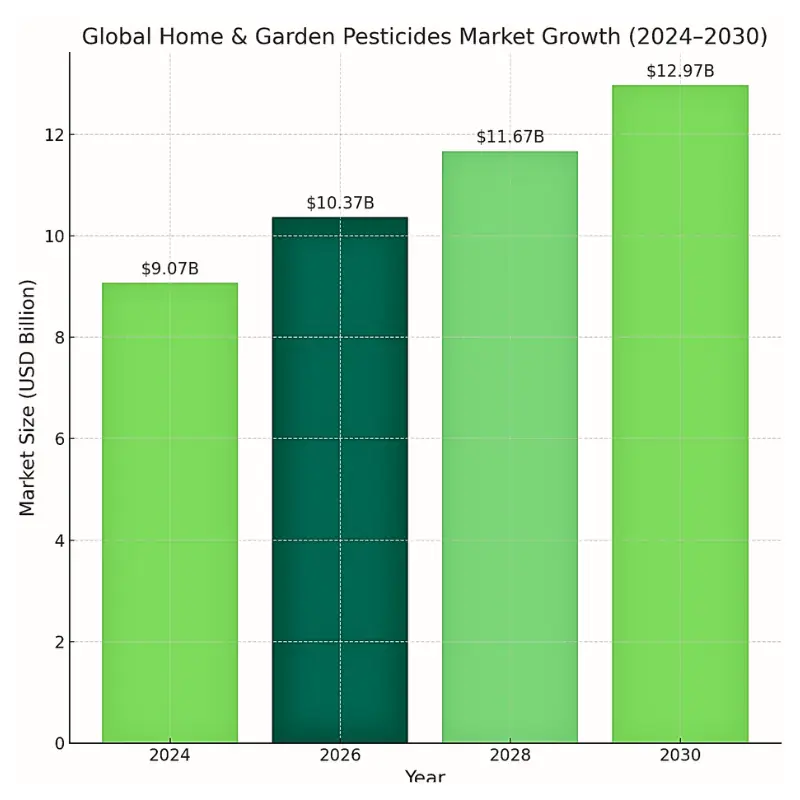
The home and garden pesticides market, valued at $8.58 billion in 2023, is projected to reach $12.97 billion by 2030 with a 6.2% CAGR. (source Grand View Research)
This expanding market creates significant opportunities for hobby and urban gardeners to monetize their data on herbicides, insecticides, fungicides, and organic treatments, especially if you use smart gardening gadgets and layout strategies that simplify record keeping.
The Takeaway – From Reaction to Precision in Monetizing Farm Data with Blockchain
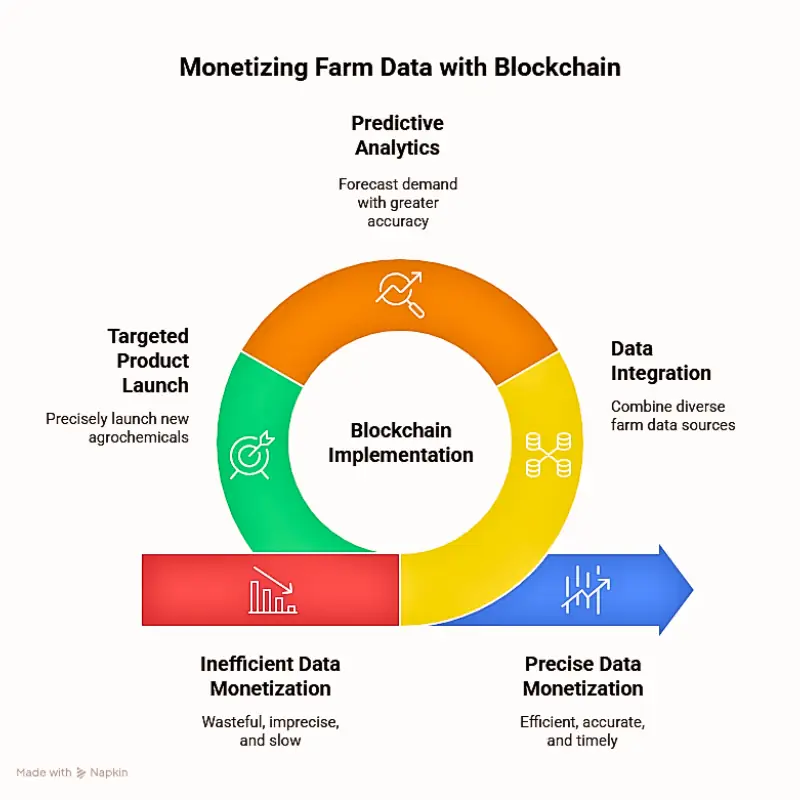
This transformation is more than a tool upgrade—it’s a fundamental mindset shift. Agrochemical companies can:
-
Slash waste by a significant annual percentage.
-
Predict demand probably 6–8 weeks earlier than traditional methods dependent on past season data.
-
Launch new products with surgical precision.
Farmers benefit by moving beyond simply purchasing inputs to actively shaping product development and marketing.
By leveraging OCR scans, blockchain logs, and SKU metadata, agriculture steps confidently into an era of robust farm data monetization and real-time marketing agility.
Biologicals: Hidden Farm Data Monetization Opportunity

Manufacturers of Biological Plant Protection Products (BPPPs) represent a unique and significant buyer segment within the blockchain-based agrodata marketplace.
Unlike traditional chemical pesticides, the performance of biological products is intricately dependent on precise environmental and application data. Therefore, this makes detailed agrodata not just valuable, but essential for their success.
Could BPPP Manufacturers Benefit from Your Data?
Firstly, biological solutions such as biopesticides, biofungicides, and beneficial microorganisms are highly sensitive to variations in environmental conditions. For example, factors such as humidity, soil pH, temperature fluctuations, and application methods significantly impact their efficacy.
Unlike traditional, one-size-fits-all chemical approaches, biological solutions require much more granular, farm-level data. Consequently, the need for accurate, localized data becomes evident.
The Impact of Environmental Factors on Biological Efficacy
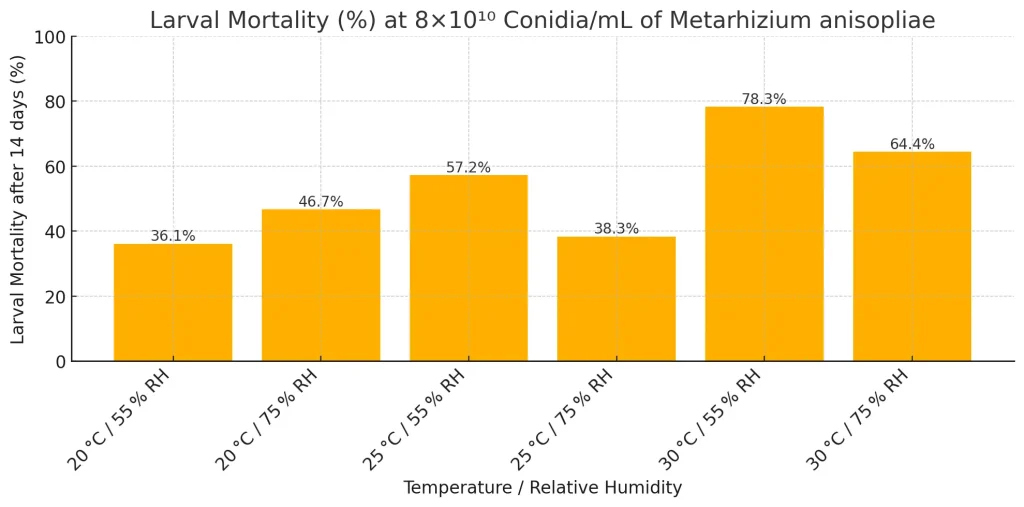
To illustrate the variability shown in the chart above, even at the highest tested dose, Metarhizium anisopliae control ranged from 36% to 78%, depending solely on temperature and relative humidity.
This dramatic spread—visible in the experimental data—highlights how sensitive biological efficacy is to environmental conditions.
If such variation occurs under tightly controlled lab settings, imagine the fluctuations a grower faces in the field. This underscores a compelling opportunity: with hyper-local weather and soil data flowing through a blockchain marketplace, formulations can be fine-tuned for real-world precision.
Why Maximum Strength Does Not Guarantee Maximum Control
Critically, maximum strength does not guarantee maximum control; rather, the environment plays a decisive role. This single insight explains why BPPP R&D teams prioritize climate-tagged datasets.
As demonstrated in Table 5 of the Journal of Insect Science study, peak efficacy occurs around 30°C and 55% relative humidity (RH) – with control rates doubling compared to cooler, drier conditions.
These findings confirm microclimate data’s indispensable value for product positioning, label expansion, and ongoing support. (See experimental validation: PMC5388312, Table 5)
Using Agrodata Trade Platforms to Optimize Biological Products
Moreover, exploring the agrodata trade platform’s specific climate or resistance-hotspot filters will enable manufacturers to identify similar gaps.
This, in turn, helps tailor formulations and launch data-driven field trials where biologicals can outshine conventional chemistries. Ultimately, farmers who monetize farm data with blockchain thus unlock a hidden revenue stream by selling essential agrodata to BPPP producers.
Essential Data Filters for BPPP Companies on the Platform
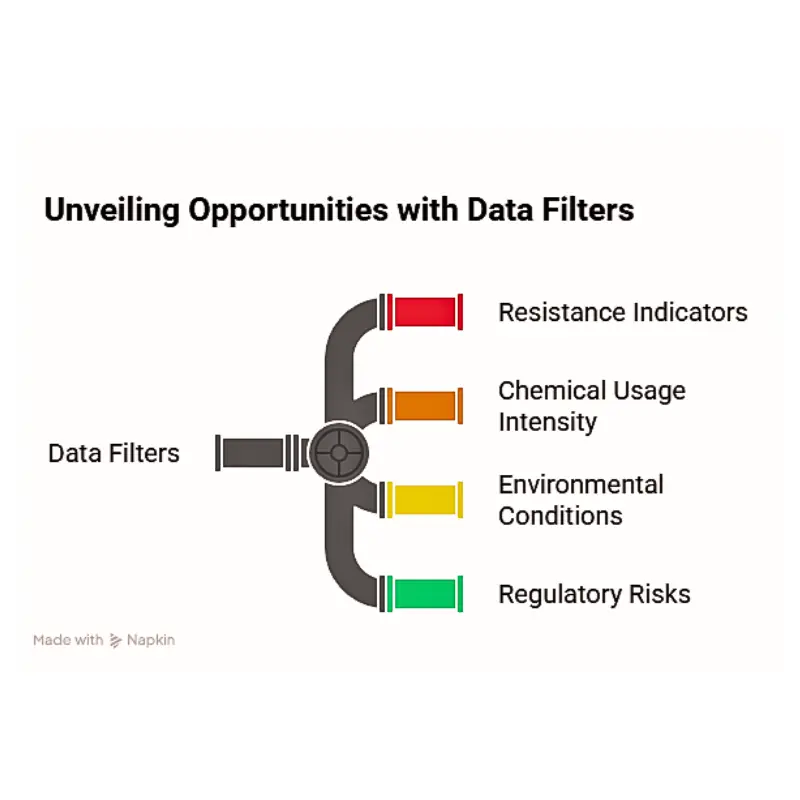
To efficiently identify opportunities, BPPP manufacturers would benefit from specific filters:
Resistance Indicators: Filter data highlighting pest resurgence, increased spray frequency, or yield reductions despite chemical use.
Chemical Usage Intensity: Highlight farms that frequently apply pesticides or use high dosages, indicating opportunities for biological alternatives.
Environmental Conditions: Identify scenarios such as heavy rainfall or high humidity, where biological products outperform chemical counterparts.
Regulatory Risks: Focus on regions that restrict or ban certain chemical pesticides, offering clear pathways for biological solutions
Real-World Case for Data-Driven Biological Solutions
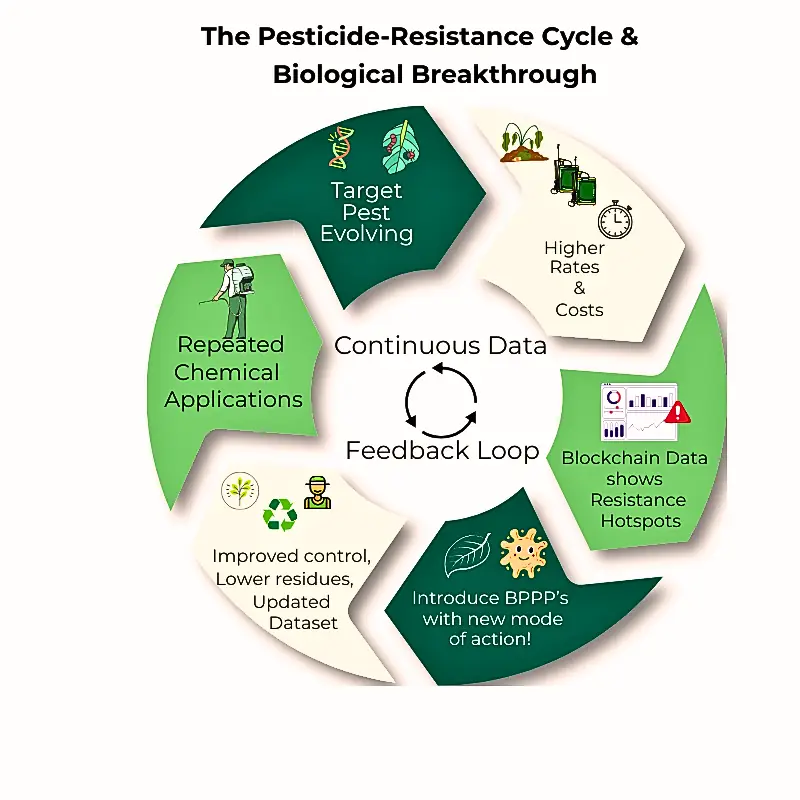
A practical scenario would involve tomato growers in Spain dealing with Tuta absoluta resistance to traditional chemical controls, such as spinosad.
A biological company analyzing platform data identifies this challenge, launches a targeted marketing campaign highlighting cost reductions and efficacy improvements of their Beauveria bassiana-based biopesticide, and successfully establishes trials validated by blockchain data.
Unlocking Growth with Biological Solutions
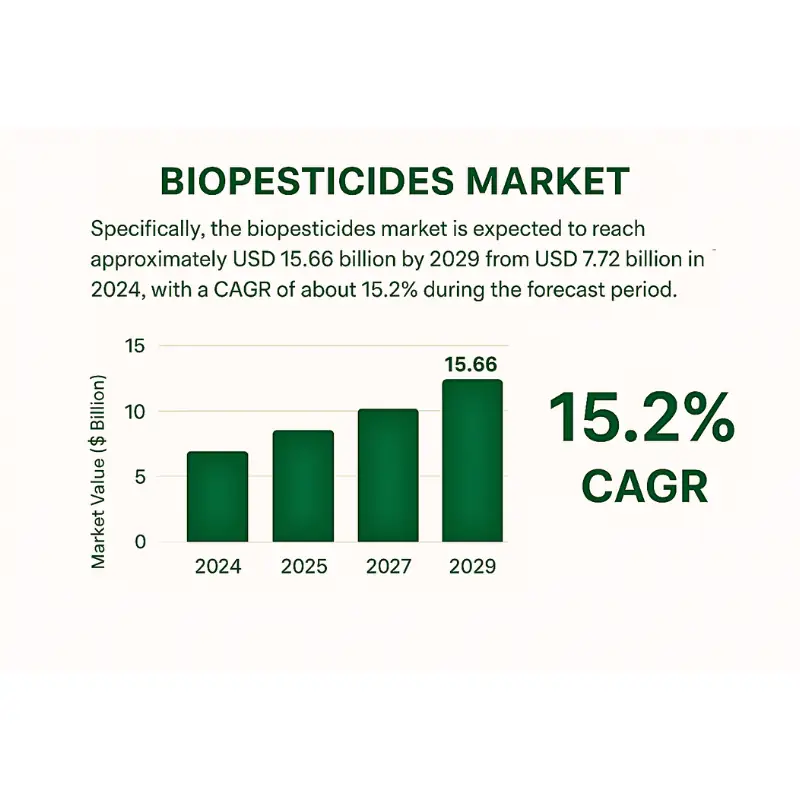
The information about the global biopesticide market projected to grow at a compound annual growth rate (CAGR) around 14.7% to 15.2% from 2023 to 2030, as aligned with the capabilities offered by detailed agrodata on blockchain platforms, can be found in reports from MarketsandMarkets.
By leveraging farm-level data for precision targeting, product optimization, and regulatory alignment, BPPP manufacturers can significantly displace traditional chemical pesticides, driving sustainable agriculture and providing farmers with more effective, eco-friendly solutions.
Fertilizer Intelligence: Monetize Application Data
.
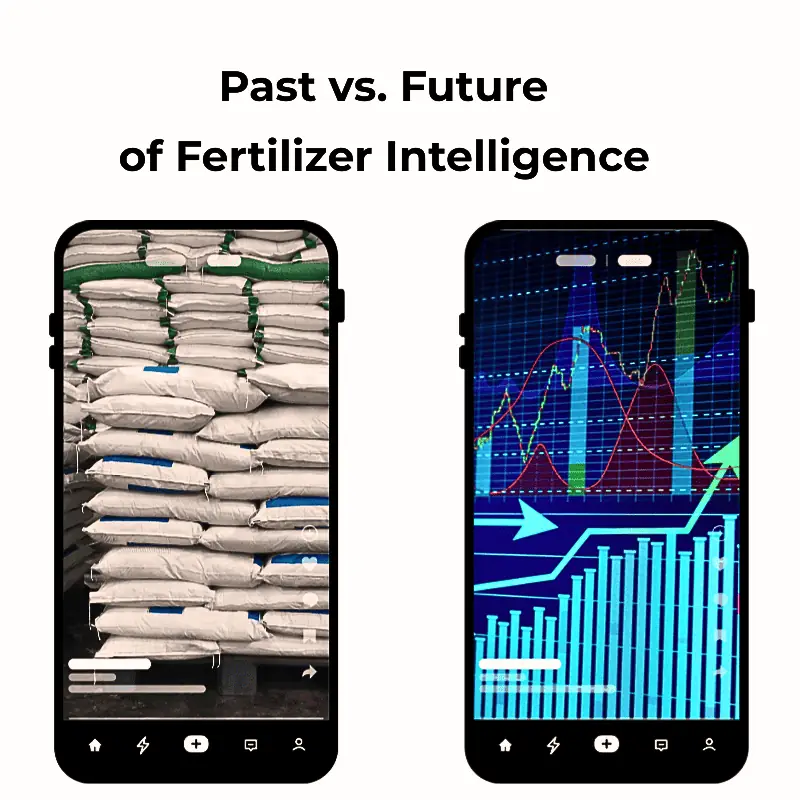
Imagine knowing exactly which fields received a foliar spray at 8 AM last Tuesday, how much nitrogen was absorbed per hectare, and which competitor’s product the farmer switched to after rain disrupted granular applications. Which playbook would you rather run?
Why Hyper-Detailed Fertilizer Data Matters
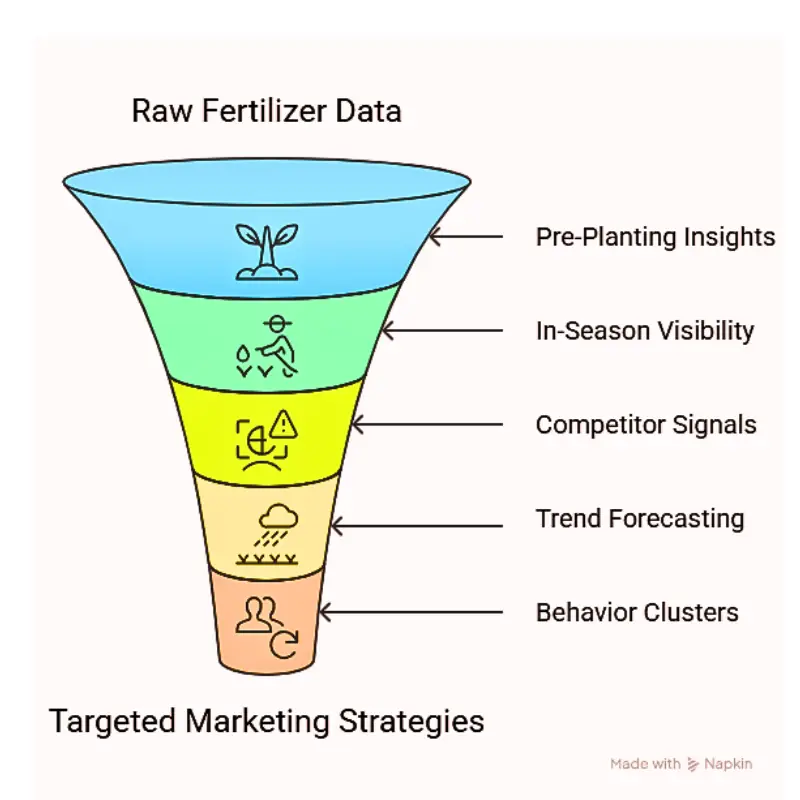
Moreover, a modern fertilizer marketing specialist now opens a dashboard that reveals:
-
Pre-Planting Precision – Historical soil tests, combined with residue maps, signal exact potassium (K) shortages, prompting early-season promotions for potash-rich blends.
-
In-Season Visibility – Time-stamped logs show where urea is over-applied in waterlogged zones; messaging pivots to slow-release, stabilized nitrogen.
-
Competitor Signals – OCR scans flag sudden spikes in calcium nitrate use along Kenya’s coast—evidence of a rival’s discount blitz.
-
Furthermore, Trend Forecasting – Weather-linked datasets predict drought-driven shifts from granular to liquid fertilizers weeks ahead.
-
Behaviour Clusters – Data segments “tech-savvy split-applicators” versus “price-first broadcasters,” enabling laser-focused loyalty programs.
From Bulk Forecasts to Precision Plays
Therefore, traditional fertilizer playbooks reorder based on last year’s tonnage. However, a demand-forecast engine would spot potash spikes in low-K fields three weeks early.
Marketing often pushes a one-size-fits-all 5-15-15 promo. Micro-segmented bundles, in contrast, would be matched to soil cation exchange capacity (CEC), pH, and historical yield maps.
In this scenario, competitive positioning via dealer gossip changes to near-real-time label-scan dashboards ranking each polymer-coated urea’s territory share. As a result, reactive “prepay” discounts and dynamic pricing auto-triggers would activate when platform traffic signals stocking urgency.
Case in Point: Unveiling Niche Competitor Strength in Almond Orchard Applications
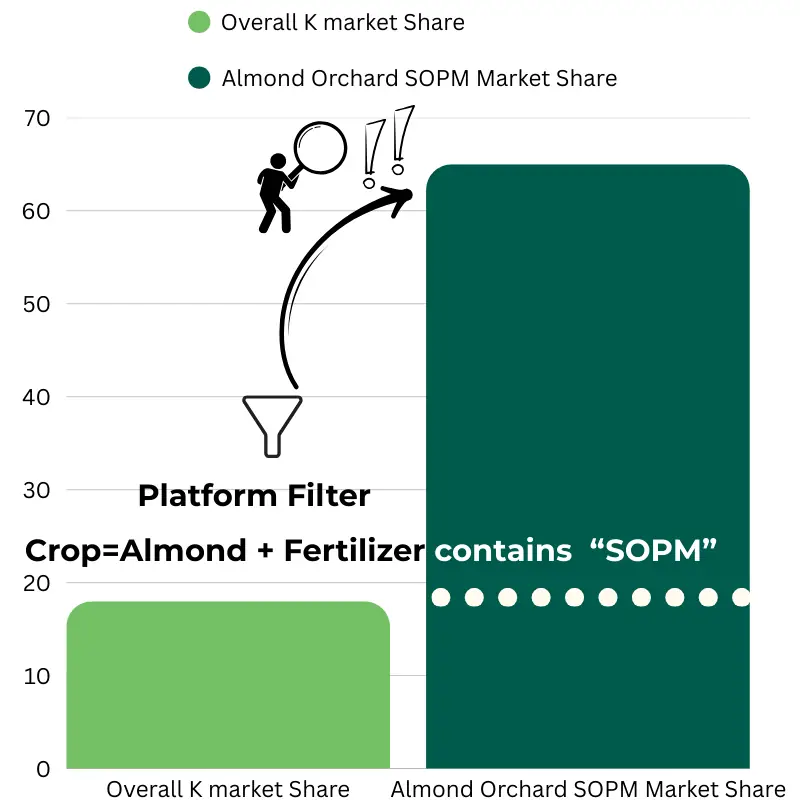
For example, the old approach relied on distributor feedback and broad market surveys, estimating Competitor “ABC” Solutions holds about 15% market share for potassium fertilizers overall in a mixed farming region such as California’s Central Valley.
The new data insight—bought from farm data analytics—shows “ABC” Solutions’ overall K share from farmer scans is around 18%. However, filtering by crop type (almonds) and fertilizer name (containing “Sulfate of Potash Magnesia” or SOPM/K-Mag) reveals that ABC Solutions actually holds a 65% market share specifically for this premium K product in high-value almond orchards.
For instance, their standard Muriate of Potash (MOP) share is negligible outside row crops. Farmer notes linked to these scans frequently mention “better nut fill” or “addressing magnesium deficiency.”
To illustrate, the traditional view missed this competitor’s dominance in a high-margin niche. Market share looks flat until zooming in on orchard rows, where one brand quietly owns two-thirds of the premium K segment.
Platform filters (Crop = Almonds + Fertilizer contains “SOPM”) revealed ABC Solutions’ hidden 65% stronghold, missed by broad surveys pegging them only at 18% overall K share.
This new data allows companies to understand that competing requires a specific SOPM product targeted at almond growers concerned with both potassium and magnesium, not just a general potassium strategy.
Looking Ahead: Implementing 4R Stewardship in Fertilizer Management
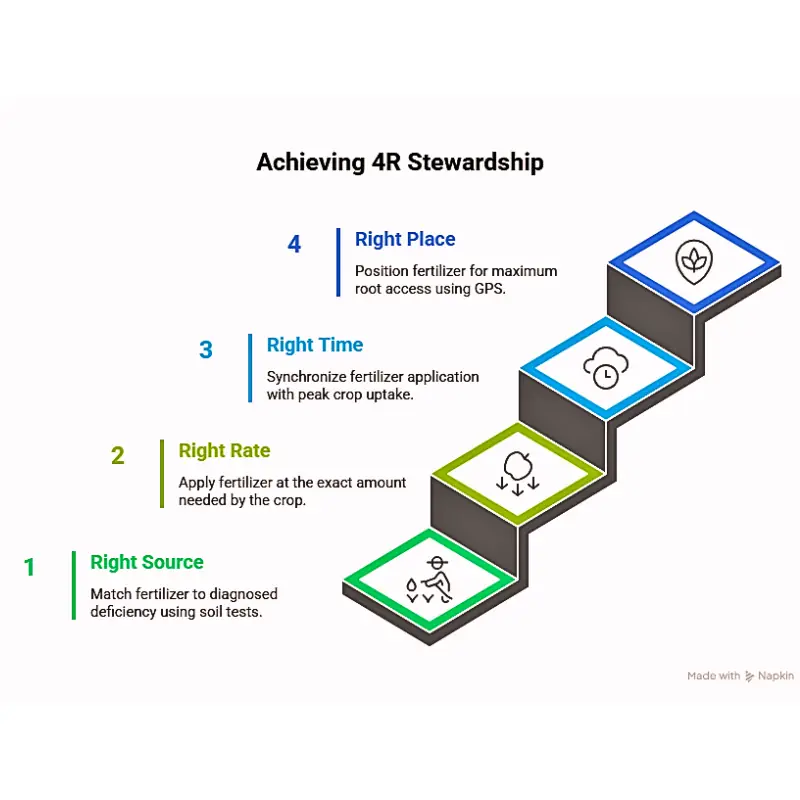
Looking Ahead: Implementing 4R Stewardship in Fertilizer Management
Indeed, the 4R principles—Right Source, Right Rate, Right Time, and Right Place—are enabled by agrodata:
Right Source: Match product to diagnosed deficiency. Label scans and soil tests confirm zinc-fortified blends only where tissue tests show low zinc.
Right Rate: Apply no more, no less than crop needs. Undoubtedly, side-dress logs versus yield outcomes flag over- or under-application in real time.
Right Time: Synchronize supply with peak uptake and minimize loss risk. Certainly, timestamped applications cross-checked with rainfall forecasts prevent nitrogen losses before storms.
Right Place: Position nutrients for maximum root access. GPS-tagged banding versus broadcast layers verify nutrients are placed where roots can reach them.
Importantly, by aligning with 4R principles—and documenting this process on an immutable blockchain ledger—fertilizer firms can reduce waste, meet regulatory requirements, and establish a sustainability narrative that resonates from the boardroom to the farm.
This strategic approach empowers farmers to monetize farm data with blockchain technology, unlocking new value streams and driving smarter fertilizer management decision-making.
Monetize Farm Data: Seed Performance Predictions
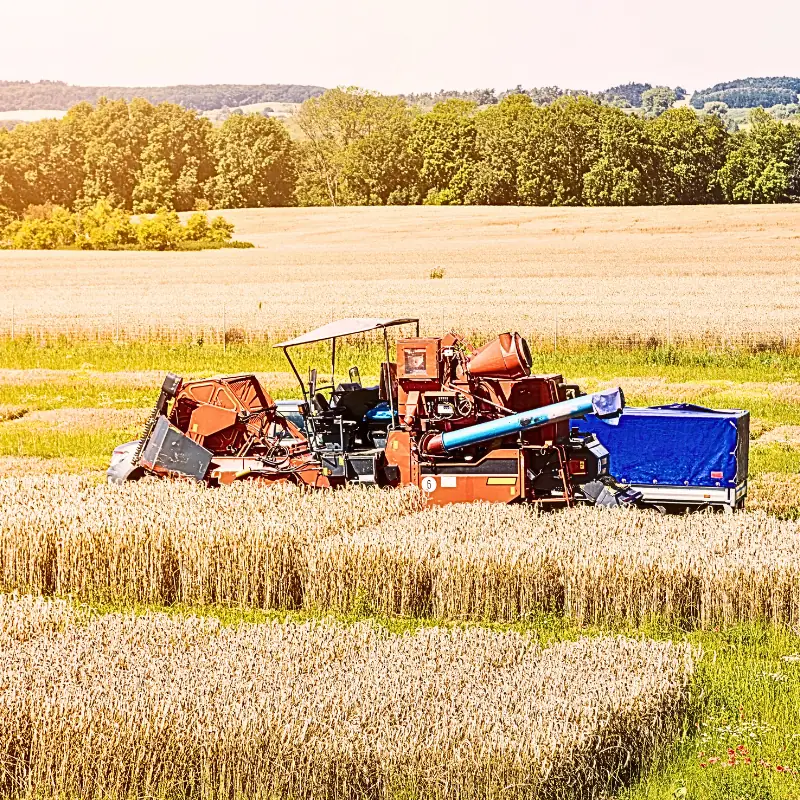
The revolution in farm data monetization extends profoundly into the world of seed genetics and marketing. For instance, imagine a global seed company’s market strategy team, which traditionally built careers by analyzing performance data from meticulously managed research plots and consolidating regional sales projections.
For years, success meant launching hybrids that performed well on average across vast territories, relying heavily on controlled trials supplemented by surveys and feedback from key dealers.
However, understanding the genetic potential in ideal conditions was standard; predicting how a specific hybrid would truly perform under the unique stresses of a particular farmer’s field — specific soil type, microclimate, and weed pressure — remained the elusive “last mile” of insight.
As a result, granular data isn’t just a tool anymore; for modern seed strategists, in fact, it is becoming the ultimate competitive rootstock.
Traditional Seed Marketing & Planning – Potential Measured, Reality Inferred
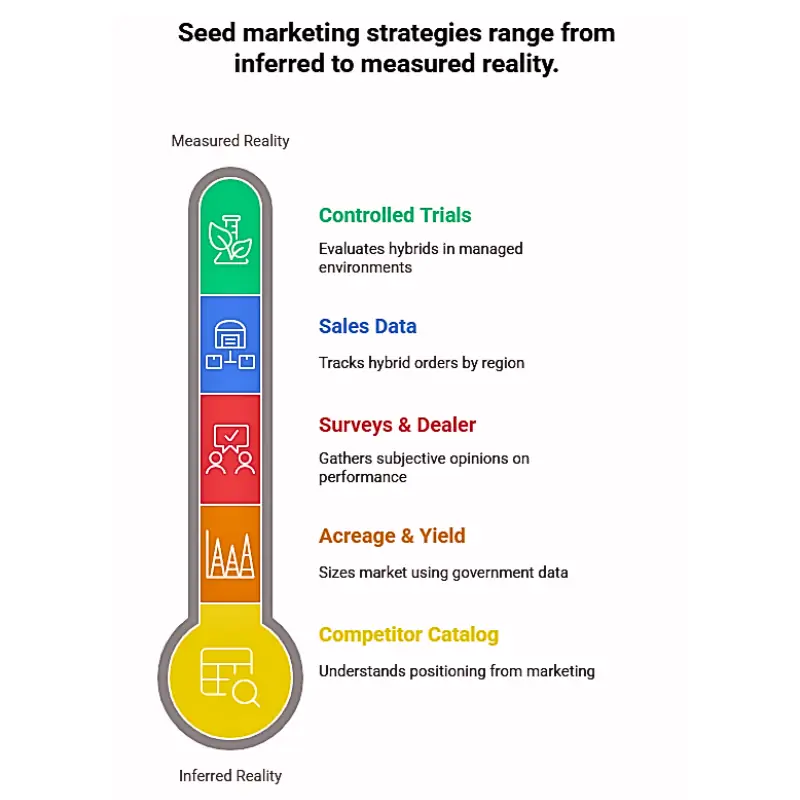
Seed companies have traditionally based their strategies on several key sources:
Controlled Performance Trials: Evaluating hybrids in limited, managed environments, often not fully reflecting real-world farm variability.
Distributor Sales Data: Tracking which hybrids are ordered in bulk by region, indicating broad preferences but not granular performance.
Farmer Surveys & Dealer Feedback: Gathering subjective opinions on performance, often aggregated and potentially lagging behind emerging issues.
Public Acreage & Yield Reports: Using government data for high-level market sizing and trend analysis.
Competitor Catalog Analysis: Understanding competitors’ listed traits and general positioning based on their marketing materials.
While essential, this approach often meant launching products based on broad adaptability — for example, “This maize hybrid works well in East Africa!”
However, this method sometimes misses opportunities for niche dominance or fails to anticipate localized performance issues until substantial farmer feedback or complaints surface.
Thus, predicting the true yield variability or stress tolerance across thousands of unique farm environments was more art than science.
Data-Driven Seed Strategy – Decoding Real-World Genetic Expression
Thanks to future availability of farmer-generated, field-specific data via advanced platforms, the entire equation would fundamentally change. For seed strategists, this granular insight allows an unprecedented understanding of genetics’ real-world performance.
Real-World Performance Validation & Trait Efficacy
Beyond average yields, accessing yield data linked to specific hybrids, GPS coordinates (soil type, topography), weather data, and crop health observations would enable companies to map actual performance across diverse real-world conditions.
This, therefore, helps identify pockets of over- or underperformance that are typically missed by regional averages.
Moreover, tracking trait performance under stress becomes possible by correlating data on specific pest infestations, disease outbreaks, or environmental stresses (weather data, soil conditions) with the hybrid’s known genetic traits.
For example, data might show that in parts of India, 72% of farmers planting specific pest-resistant cotton hybrids avoided an average of three or more pesticide sprays per season compared to neighbors using non-traited varieties.
In addition, environmental stress tolerance can be quantified by linking weather data (droughts, heat waves, excessive moisture) and soil tests (low pH, salinity) to hybrid performance and vigor (NDVI data, farmer notes).
Perhaps data demonstrates that a specific hybrid maintains 85% yield potential in environments receiving less than 500mm rainfall, compared to only 55% for standard varieties under the same stress conditions.
Hyper-Localized Adaptation & Planting Recommendations
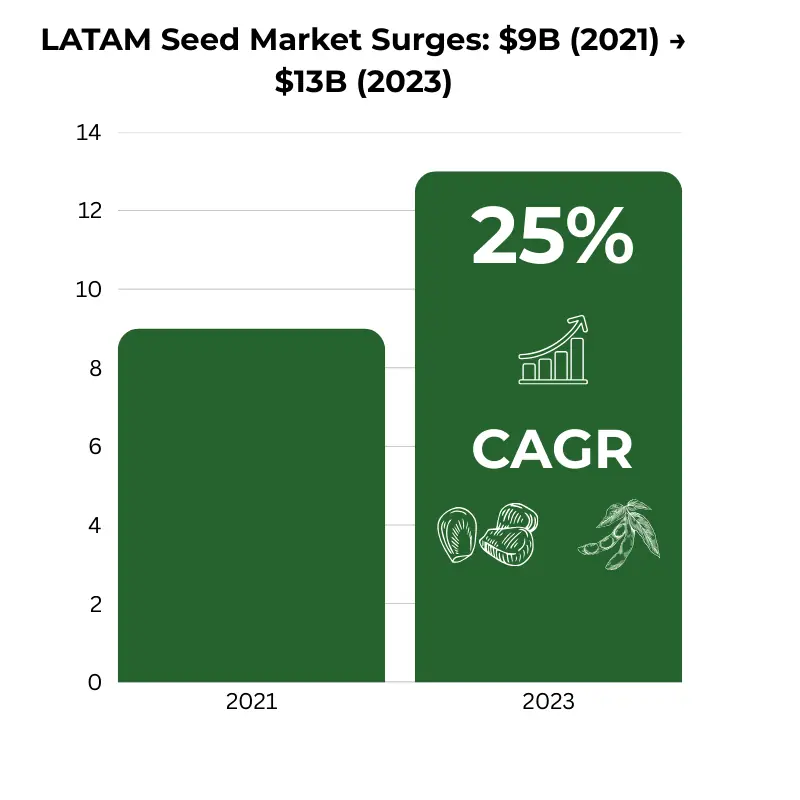
Recent market research highlights dynamic shifts within seed marketing landscapes. For instance, Latin America’s corn and soybean seed markets surged from approximately $9 billion in 2021 to $13 billion in 2023, accounting for nearly half of the global seed market expansion during that period (Kynetec).
This sharp regional growth underscores increasing complexity and competitiveness, emphasizing why relying solely on traditional broad-based marketing strategies risks missing hyperlocal opportunities.
Matching Hybrid to Micro-Environment: Identifying specific soil types or microclimates where a particular hybrid excels or struggles enables highly targeted recommendations. Consequently, this allows a transition from broad marketing statements to precise advice — such as promoting salt-tolerant rice seeds only on coastal Bangladeshi farms, where data confirms soil salinity exceeds 4 dS/m.
Climate Adaptation Insights: Correlating seed performance with detailed climate data allows for proactive market positioning.
Optimizing Planting Practices & Pricing: Analyzing data on planting dates, soil temperature, emergence, and population density helps refine recommendations. This insight supports dynamic pricing strategies, potentially offering timely discounts on drought-resistant varieties entering arid periods.
Predictive Market Intelligence & Competitor Benchmarking
Furthermore, seeing actual competitor performance moves beyond catalog comparisons, revealing which competitor hybrids are planted nearby, under what conditions, and how their yield and health compare locally.
Additionally, identifying unmet needs and emerging trends helps spot regions where all current hybrids struggle with specific stresses, signaling market opportunities. This also aids in predictive demand modeling, such as stockpiling beetle-resistant bean seeds ahead of peak seasons in particular locations.
Understanding Farmer Behavior & Influences
Analyzing switching behavior using historical and current data alongside farmer insights explains why farmers move between hybrids — whether due to yield, price, or trait performance.
For example, data might reveal that 68% of smallholders in a Mexican region prioritize drought resilience in maize over maximum yield potential, shifting marketing messages correspondingly.
Moreover, validating marketing claims by comparing farmer-reported performance with company promises on yield potential, drought tolerance, or disease resistance strengthens trust and transparency.
Fine-Tuning Seed Marketing and Sales with Granular Data
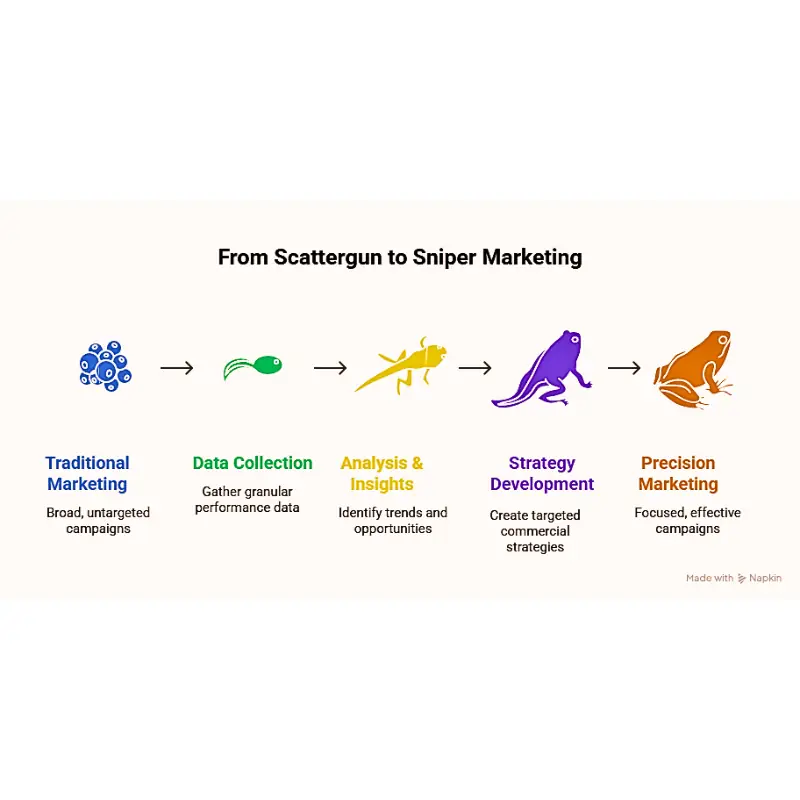
This newfound intelligence will directly translate into sharper, more effective commercial strategies, transforming traditional scattergun approaches into sniper-like precision:
Precision Marketing Campaigns: Target promotional efforts for specific hybrids toward geographic areas and farm types where data shows the highest performance advantage or fills critical unmet needs.
Empowered Sales Agronomists: Equipping field teams with localized performance data and competitor comparisons (e.g., “In fields like yours within an 80-kilometer radius, our Hybrid Z out-yielded Competitor Y by 0.5 tones per hectare under similar rainfall last season”) adds immense credibility.
Data-Driven Seed Guides & Case Studies: Developing highly regionalized guides backed by specific examples builds trust. For instance, data showing that 40% of Mato Grosso soybean farmers struggle with root-knot nematodes enabled launching a campaign for nematode-resistant seed with targeted ads, incentives, and messaging (“87% yield retention in nematode-infested fields”), resulting in a 34% market share gain within one season.
Strategic Discounting, Bundling & Counterplay: Offering targeted introductory pricing or bundling seed with related inputs where data shows combined effects enhances value. For example, bundling free soil moisture sensors with seeds in regions where competitors aggressively undercut prices adds tangible benefits beyond seed cost.
Accelerated Feedback Loop: Broad real-world data shortens time to identify winning hybrids for scaling and underperformers for phase-out.
The Genetic Edge – From Broad Potential to Proven Local Performance
.
For seed companies, leveraging farmer-generated data would represent a paradigm shift — moving from selling genetic potential based on controlled trials to demonstrating proven genetic performance tailored to individual farm realities.
The ability to precisely map, predict, and validate hybrid performance across countless real-world scenarios unlocks significant competitive advantages:
Faster placement of the right genetics onto the right acres.
Reduced risk associated with new hybrid launches.
Increased farmer loyalty through data-backed, tailored recommendations.
More efficient R & D informed by rapid, diverse, real-world feedback.
Looking ahead, this data will enable AI-powered recommendation engines that suggest optimal seeds based on real-time conditions, verify sustainability credentials (like reduced water or nutrient needs), and foster farmer loyalty loops rewarding ongoing data sharing.
Ultimately, it will transform seed marketing and sales from scattergun blasts based on averages to sniper-like precision guided by real-world data.
The Future of Farm Data Monetization Through Blockchain
A blockchain-powered data marketplace could revolutionize how farmers monetize farm data with blockchain technology. If developed, such a platform would enable farmers to securely trade verified field data while seed companies could access authenticated insights for product development.
This proposed ecosystem would create new revenue streams for farmers and provide seed companies with granular data to enhance breeding programs and market strategies.
How Farmers Can Monetize Farm Data: Precision Agriculture Integration
Precision agriculture platforms currently stand at the confluence of satellite imagery, IoT sensors, weather data, and complex agronomic models. Furthermore, for companies developing these sophisticated digital farming solutions, the ultimate goal is to provide farmers with timely, accurate, and actionable insights to optimize every aspect of their operation.
Your satellites see the field, your sensors feel the soil, your algorithms predict the future – but do you honestly know what the farmer did next, and why? Consequently, for precision agriculture platforms, bridging the gap between digital models and ground-level reality represents the final frontier, which could be unlocked by enabling farmers to monetize farm data with blockchain technology.
The Role of R&D in Precision Ag Platforms
Imagine the R&D lead at a cutting-edge digital agriculture firm, constantly refining algorithms that predict disease outbreaks or generate variable-rate seeding maps. Their platform might ingest terabytes of remote sensing and weather data daily.
Nevertheless, the persistent challenge remains: how accurately does the digital model reflect the complex, often unpredictable reality unfolding hectare by hectare (acre by acre) on the ground?
Current Precision Ag Data Strategies – Powerful but Incomplete
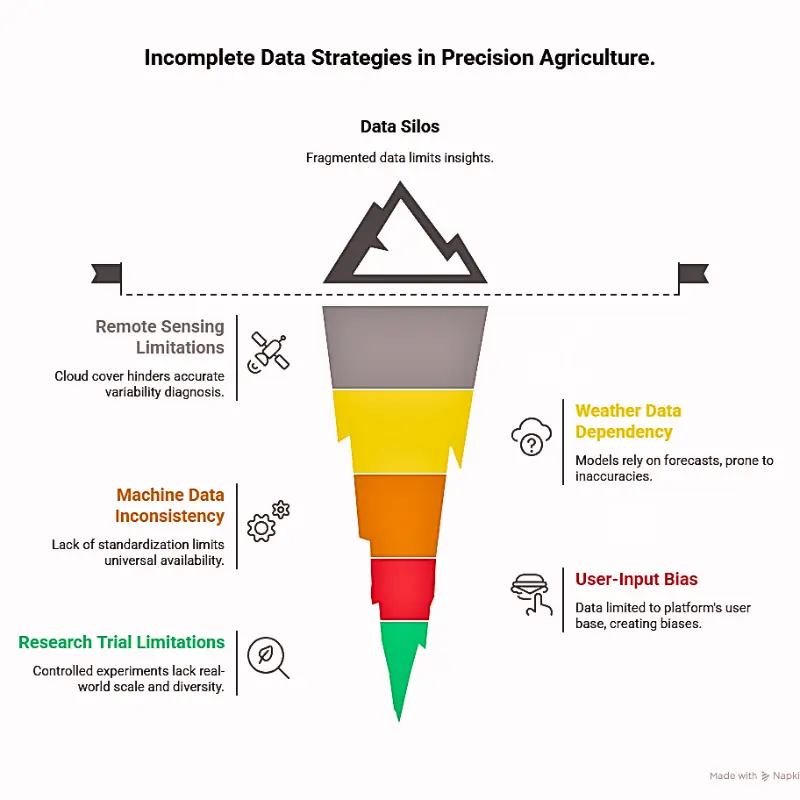
Providers of digital farming solutions currently rely on a mix of data sources, including:
Remote Sensing: Satellite, drone, and aerial imagery provide invaluable field-scale views of crop variability (e.g., NDVI). However, this method can be hindered by cloud cover and may not always accurately diagnose the cause of variability.
Weather Data: Forecasts and historical data drive predictive models for growth stages, disease risk, and other factors.
Machine Data: Information from tractors and implements (telematics) shows what was applied where, if equipped and connected. Unfortunately, this data isn’t universally available or standardized.
User-Input Data: Farmers manually enter data into the platform (field boundaries, planting dates, scouting observations within that specific platform), yet it is often limited to the platform’s user base, which can create potential biases and gaps.
Internal Research & Trials: Controlled experiments provide baseline data but lack real-world scale and diversity.
While powerful, this approach has clear limitations. Critically, validating algorithms across millions of diverse, real-world scenarios with independent ground-truth data remains a significant hurdle.
The Blockchain Data Marketplace Advantage – Bridging the Digital-Physical Divide
Accessing a diverse and high-volume stream of granular, farmer-generated data from a blockchain marketplace offers transformative benefits for precision agriculture companies. These benefits are many and can be categorized as follows:
Supercharging Algorithm Development & Validation
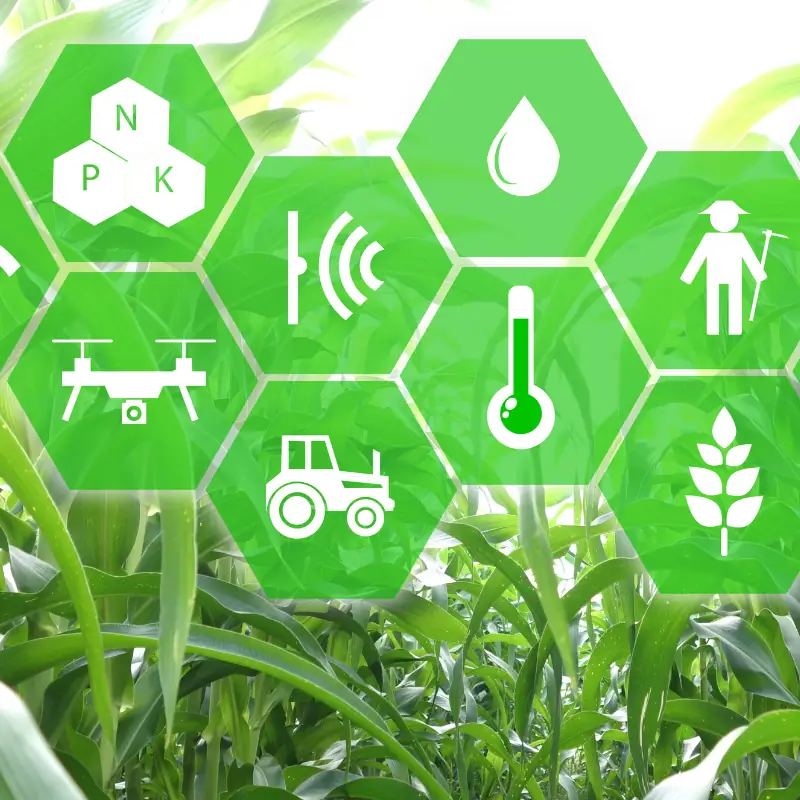
Firstly, when farmers monetize farm data with blockchain technology, precision agriculture companies could benefit through:
Massive Training Datasets: By feeding AI/ML models vast amounts of real-world, labeled data (e.g., farmer photos of specific weeds or diseases tagged with GPS and crop stage), companies can drastically improve image recognition accuracy for scouting tools.
Ground-Truthing Predictive Models: They can validate disease risk forecasts by comparing predictions against actual, time-stamped farmer observations of disease presence or absence across thousands of fields and microclimates. For instance, did the algorithm predict high Fusarium risk, and did farmers in that zone report it and apply specific fungicides?
Refining Variable Rate Algorithms: Correlating platform-generated variable rate application maps (seed, fertilizer, pesticides) with farmer-logged observations of crop vigor, localized pest pressures, and, crucially, sub-field yield variations (if available) fine-tunes zoning and rate calculations.
Benchmarking Performance: Companies can analyze how specific input choices (seed variety, fertilizer type, pesticide application) recorded on the platform correlate with observed outcomes under different environmental conditions, providing real-world calibration data for recommendation engines.
Unlocking Real-World Farming Intelligence
Moreover, as farmers monetize farm data with blockchain platforms, precision agriculture companies could gain unprecedented insights into:
Identifying Adoption Gaps: Specifically, they could see which recommended practices (from the digital platform or general agronomy) are being adopted versus ignored, and potentially uncover why through farmer notes (e.g., “Ignored N side-dress recommendation due to excessive field wetness,” “Used different herbicide due to cost”).
Mapping Actual Input Usage: Furthermore, companies could gain insight into the full spectrum of products farmers use (including competitors’ seeds, chemicals, and biologicals logged via OCR) alongside or instead of recommended inputs, revealing real-world integrated management strategies.
Spotting Emerging Issues: Additionally, platforms could detect early patterns of new pest outbreaks, spreading diseases, or developing herbicide resistance based on aggregated farmer observations, potentially faster than traditional reporting mechanisms.
Enhancing Platform Features Through Blockchain Data Integration
Meanwhile, when farmers successfully monetize farm data with blockchain technology, precision agriculture platforms could simultaneously improve their offerings through:
Identifying Unmet Needs: Consequently, companies could analyze the types of problems farmers are frequently logging (e.g., specific nutrient deficiencies, soil compaction issues, uncommon pests) to guide the development of new platform modules, calculators, or integrations.
Improving UI/UX: Moreover, they could understand how easily farmers can log different types of data, identifying friction points in the data entry process described on the marketplace, which can inform improvements to their own platform’s interface.
Informing Integration Priorities: Additionally, seeing which other digital tools, sensor brands, or data sources farmers mention or use helps prioritize API development and strategic partnerships.
Data-Driven Marketing Revolution

Furthermore, as blockchain enables farmers to monetize farm data effectively, precision agriculture companies could transform their marketing strategies through:
Quantifiable ROI Proof: Specifically, they could leverage aggregated, anonymized data from the marketplace to demonstrate the value of specific platform features (e.g., “Analysis of 10,000 fields shows farms utilizing dynamic disease alerts and targeted fungicide applications based on platform recommendations saw a 15% reduction in disease-related losses compared to fields relying solely on calendar sprays”).
Targeted Feature Promotion: Additionally, companies could market specific modules (e.g., advanced irrigation management, soil health tracking) to regions or crop systems where marketplace data shows farmers are actively logging related challenges or inputs.
Competitive Intelligence: Moreover, platforms could understand which competitor platforms or agronomic services are being used in conjunction with specific farming practices documented on the marketplace.
Data-Driven Customer Support: Consequently, companies could anticipate common issues or questions by analyzing patterns in farmer-logged problems and observations within specific geographies or cropping systems.
Importantly, modern farms generate vast amounts of data; therefore, a single growing season can produce gigabytes or even terabytes of data per farm from sensors, machines, and imagery, underscoring the need for platforms to manage and effectively interpret this flood of data.
The Bottom Line – Smarter Tools Through Deeper Blockchain Data
Ultimately, for companies building the digital infrastructure of modern farming, access to a broad, diverse, and continuously updated stream of farmer-generated ground-truth data would be invaluable when farmers monetize farm data with blockchain solutions.
Consequently, this approach would move algorithm development beyond theoretical models and limited internal datasets into the complex reality of millions of fields.
Therefore, this blockchain-enabled data marketplace could allow precision agriculture providers to:
Build more accurate, reliable, and trustworthy predictive models.
Validate and quantify the real-world impact and ROI of their solutions.
Accelerate innovation by quickly identifying and addressing farmers’ needs.
Strengthen their competitive position with demonstrably superior insights.
In conclusion, by enabling farmers to monetize farm data with blockchain technology, precision agricultural companies could validate their algorithms, refine recommendations, and demonstrate the ROI of their platform with access to unparalleled ground-truth data.
Most importantly, it would be highly beneficial to see how real-world farmer inputs, observations, and outcomes align with designed digital models across thousands of diverse fields through this proposed blockchain marketplace
Understanding How Sprayer Manufacturers Can Monetize Equipment Data via Blockchain
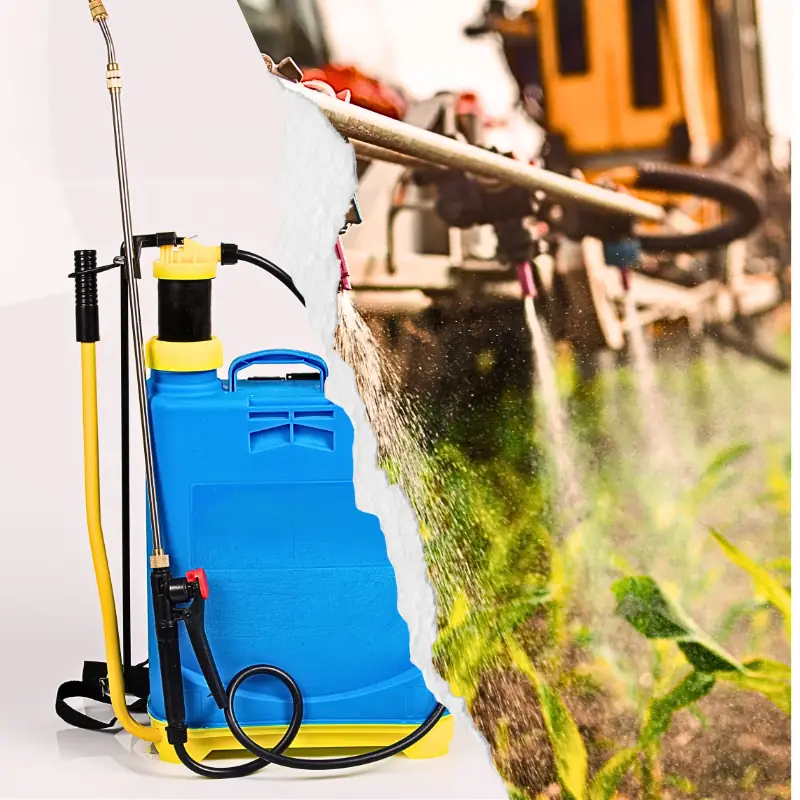
For manufacturers of agricultural spraying equipment, understanding the market has traditionally involved analyzing dealer sales data. Additionally, they’ve relied on tracking warranty claims and attending industry trade shows. However, this approach is rapidly evolving.
Consider, for example, the perspective of a senior product strategy team at a major sprayer manufacturer. Their portfolio spans from simple 16-liter (approximately 4-gallon) knapsack sprayers to massive, self-propelled units. Historically, feedback on how equipment truly performed under diverse field conditions arrived slowly and incompletely.
Moreover, understanding the optimal machine configuration for a specific region, crop, and farming practice often involved educated guesswork. As a result, the critical question remained: how could they move beyond assumptions and truly engineer for real-world demands?
Importantly, for modern sprayer manufacturers, real-time agricultural data isn’t just insight—it’s becoming the ultimate competitive advantage. Through blockchain technology, this data can now be monetized effectively while maintaining transparency and security.
Traditional Sprayer Market Strategy – Limited by Sales & Service Data
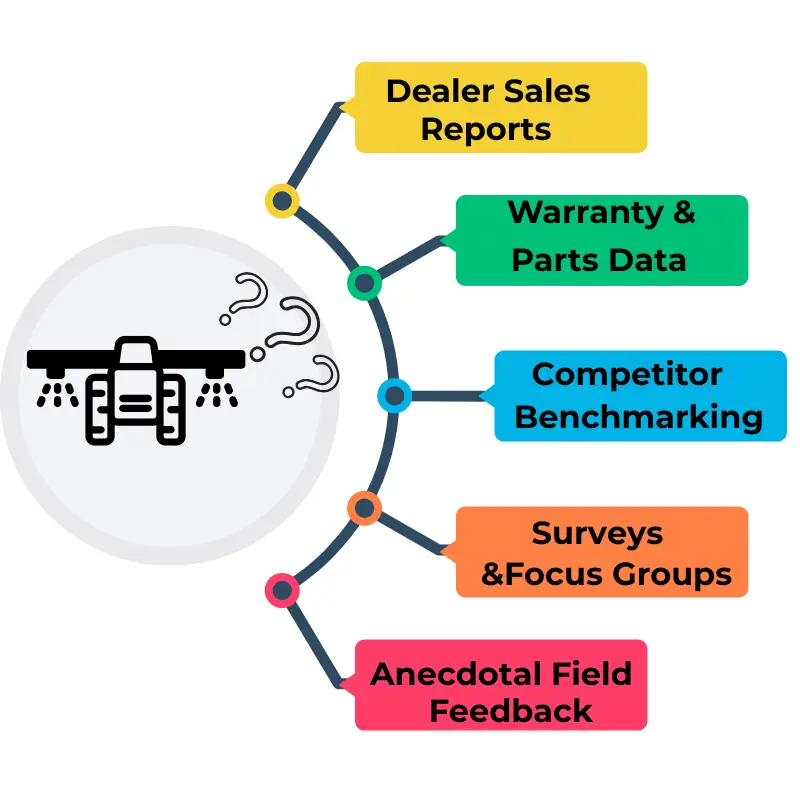
Until recently, spray equipment companies have only been able to estimate how their tools are used across various global fields. Nevertheless, with blockchain-enabled real-time agricultural data, they could finally stop guessing and start making data-driven decisions.
The conventional approach relies heavily on several limited data sources:
Dealer Sales Reports: Initially, these identified best-selling models in broad territories, but lacked granular usage insights.
Warranty & Parts Data: While these indicated failure points, they unfortunately lacked operational context and real-world performance metrics.
Competitor Benchmarking: This involved analyzing published specifications, yet provided little insight into actual field performance.
Customer Surveys & Focus Groups: Although valuable, these gathered only limited-scale feedback from small sample sizes.
Anecdotal Field Feedback: Finally, insights from sales and service teams, while helpful, were often inconsistent and unverifiable.
Consequently, this system provides only a functional overview but struggles with granularity. Therefore, it remains challenging to connect design choices to real-world durability or efficiency across the full spectrum of user behaviors and field conditions.
Blockchain-Enabled Data Strategy – Transforming Usage, Wear, and Opportunity Data into Revenue
Accessing granular, real-time data through blockchain-powered agricultural trading platforms could offer sprayer manufacturers unprecedented opportunities to monetize farm data. Furthermore, this approach provides transparent, immutable records that can be monetized while protecting farmer privacy.
Deep Market Understanding & Segmentation Through Blockchain Data Monetization
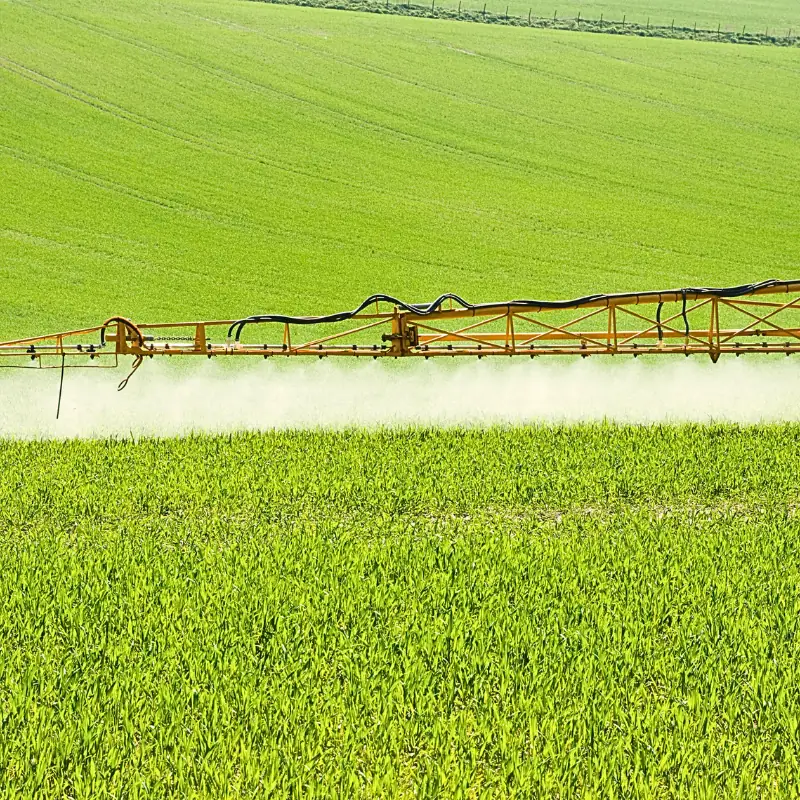
Mapping Equipment Penetration & Usage: Through blockchain networks, manufacturers could precisely identify which types and sizes of sprayers are being used. For instance, data might include knapsack sprayers (e.g., 16L), tractor-mounted units (e.g., 200-liter / ~50-gal, 600-liter / ~160-gal), self-propelled models, orchard sprayers, and drone systems.
Additionally, blockchain can provide GPS coordinates (if chosen by farmer), crop data, and farm segment information. For example, data might reveal that e.g. 58% of small plot farmers in a specific Indian region rely heavily on 16L knapsacks, consequently indicating a significant market opportunity for lightweight, battery-powered upgrades.
Tracking Equipment Age & Replacement Cycles: Similarly, analyzing logged equipment age data through blockchain reveals typical lifespans and highlights upgrade opportunities. For instance, data may confirm that farms using sprayers older than 7 years incur e.g. 32% higher maintenance costs.
Regional Demand Forecasting: Furthermore, blockchain enables correlation of equipment usage with environmental data (climate conditions) and agronomic factors (pest/disease pressure). For example, high humidity data from Ghana correlating with frequent fungal outbreaks could drive targeted demand forecasting for high-pressure mist blowers.
Real-World Competitor Usage: Importantly, blockchain networks can identify specific competitor models being used, where they operate, and provide insights into their performance advantages or disadvantages through verified farmer notes and usage patterns. For instance, data might show that a rival’s specific 600L orchard sprayer dominates Italian olive groves, with further blockchain analysis revealing that its nozzle design demonstrably reduces drift.
How to Monetize Farm Data for Product Development (R&D) Using Blockchain
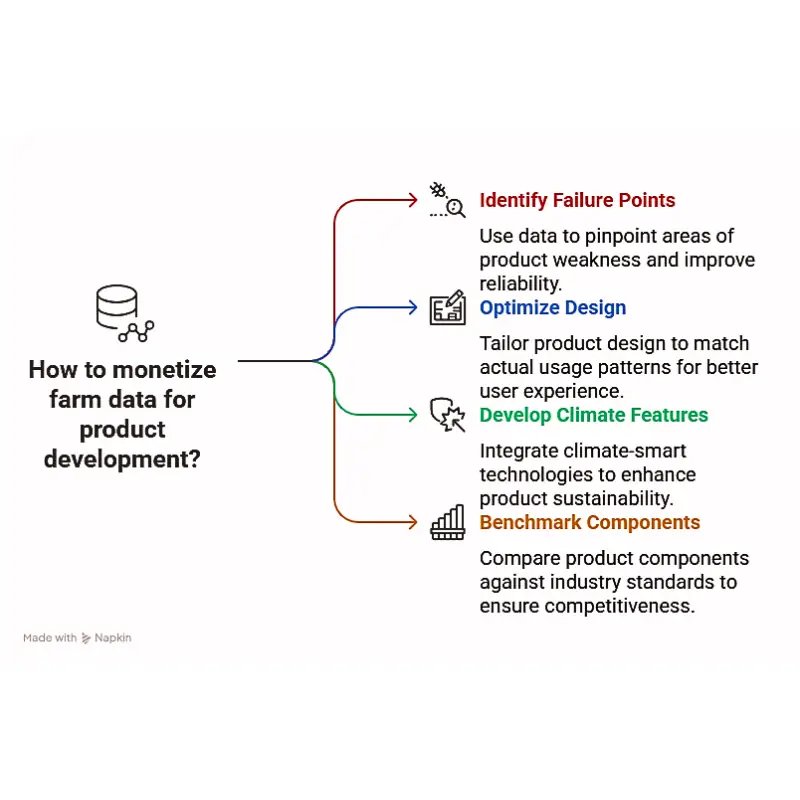
Identifying Real-World Failure Points: Through blockchain’s immutable records, manufacturers can correlate logged maintenance status and farmer notes with specific models, age, operating conditions, and chemicals used.
Consequently, this provides critical R&D input. For example, frequent reports of pump seal failure on model ‘XZSpray12Master FR300nhuy’ when used with specific abrasive formulations become valuable, monetizable data points.
Optimizing Design for Usage Patterns: Additionally, blockchain data helps manufacturers understand exactly how equipment is used, including pressure levels, nozzle choices, tank mixing frequency, and cleaning routines. Therefore, this information becomes invaluable for improving durability, ergonomics, and efficiency while creating new revenue streams from data insights.
Developing Climate-Smart Features: Moreover, utilizing blockchain-verified regional challenge data drives innovation and informs decision-making. For instance, manufacturers can develop AI-enabled sprayers that auto-adjust pressure based on blockchain-linked pest density maps or weather data.
Similarly, they can design corrosion-resistant models specifically for coastal regions identified through blockchain data as having high salinity impact.
Benchmarking Components: Finally, analyzing farmer feedback and usage data related to specific components through blockchain networks allows manufacturers to compare efficiency rates across different types and against competitors, creating additional monetization opportunities.
Step-by-Step Guide to Monetize Farm Data with Blockchain for Marketing & Sales
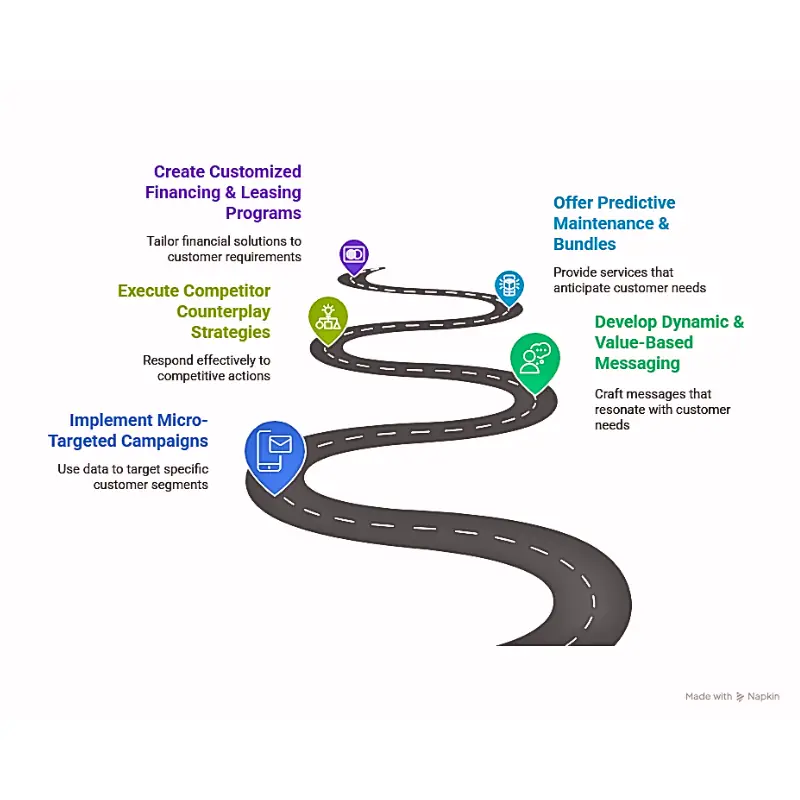
In a hypothetical scenario where a blockchain-based agricultural trading platform exists, sales and marketing strategies would evolve dramatically. With access to verified, real-time farm data, manufacturers and distributors could shift from broad campaigns to precision-targeted outreach.
Below are five actionable steps that illustrate how sales and marketing teams could leverage blockchain insights to drive adoption, differentiation, and long-term value.
Step 1: Implement Micro-Targeted Campaigns First, move beyond generic advertising by using blockchain-verified data to identify specific needs. For example, promote drone sprayers specifically to farms battling steep terrain (as determined by GPS data). Alternatively, target Colombian coffee growers with compact mist blowers after blockchain data shows that 80% use outdated knapsacks on hilly terrain.
Step 2: Develop Dynamic & Value-Based Messaging Next, tailor promotions based on localized blockchain data. Specifically, highlight drift-reduction features where high winds are common, or emphasize operator comfort where long spray durations are logged. Furthermore, justify premium features with aggregated blockchain data showing improved outcomes (e.g., better coverage, reduced chemical use).
Step 3: Execute Competitor Counterplay Strategies Subsequently, identify competitor weaknesses revealed by blockchain data analysis. For instance, if data shows a rival’s sprayer struggles in high winds, launch a targeted campaign for a e.g. ‘Wind-Guard’ line featuring specialized nozzles.
Step 4: Offer Predictive Maintenance & Bundles Then, provide value-added services based on blockchain usage data, such as predictive maintenance bundles. These could utilize IoT sensors connected to blockchain networks to track wear patterns and trigger timely service or parts upsells.
Step 5: Create Customized Financing & Leasing Programs Finally, adapt offers to market realities identified through blockchain data. For example, develop specific leasing models for smallholders in Kenya, where blockchain data might show 65% of sprayers are over 8 years old and outright purchase presents a significant barrier.
Visualizing Blockchain-Powered Marketing & Sales Opportunities

Imagine dashboards that transform raw blockchain data into actionable monetization strategies:
Heat Maps: Layering sprayer age data with regional pest outbreak frequency helps prioritize areas for trade-in programs or upgrade campaigns. For instance, “High usage of 200L sprayers >7yrs old on tomatoes in Area “XY” + rising blight reports → Initiate replacement campaign in Q3.”
Trend Dashboards: Additionally, tracking adoption rates of specific technologies through blockchain networks reveals opportunities. “Demand for organic-compatible sprayers shows 18% annual growth in Europe → Increase focus on relevant product lines.” Similarly, “Drone sprayer trials rising in western Nigeria → Evaluate distribution partners immediately.”
Usage Profiles: Furthermore, segmenting market needs by specific practices through blockchain analysis identifies niche opportunities. “Surge in 16L knapsack spraying for cabbage in Area “AB” highlands → Push ergonomic small-unit series.”
The Bottom Line – From Information Leaks to Laser-Focused Revenue Generation
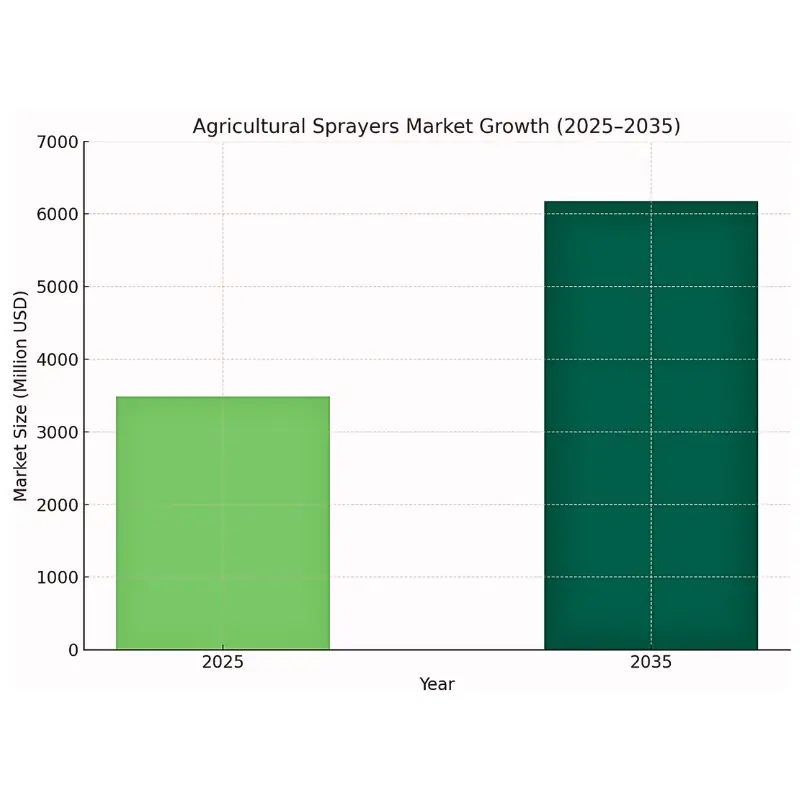
For agricultural sprayer manufacturers, granular agrodata would facilitate a fundamental shift from selling hardware to providing targeted application solutions. It enables companies to align R&D, marketing, and sales with verified, real-world conditions and the needs of farmers.
This strategic pivot is underscored by Future Market Insights, which projects the agricultural sprayers market to grow from USD 3.5 billion in 2025 to USD 6.1 billion by 2035, driven by rising demand for telematics-ready and sensor-integrated equipment.
This will lead to:
More durable, efficient, and user-centric equipment.
Reduced guesswork and waste in inventory and marketing spend.
Enhanced customer loyalty through better support and relevant products.
A more potent competitive edge built on deep market intelligence and foresight.
The future of spraying is precise. Manufacturers leveraging this data won’t just sell equipment; they’ll power Climate-Smart Cultivation.
Those who integrate verified agrodata into their sales, R&D, and product development will lead the next wave of AgTech innovation and efficiency.
Monetize Farm Data with Blockchain: Regulatory Compliance Applications
Imagine actually knowing exactly which farms have used expired herbicides or other unregistered pesticides before those harmful products enter the food chain.
For regulators and food safety auditors, indeed, blockchain-powered agrodata isn’t just about recordkeeping—rather, it is the key to preemptive governance and verifiable trust within a complex global supply chain.
Enhanced Monitoring & Proactive Risk Mitigation
To begin with, farmers can monetize farm data with blockchain by providing critical monitoring capabilities:
Mapping Pesticide Use Patterns: Initially, regulatory bodies will be able to visualize the distribution and intensity of specific active ingredient use across regions, crops, and seasons.
Subsequently, they can identify potential areas of overuse or deviations from recommended practices. As a result, this data becomes valuable to regulatory bodies seeking comprehensive oversight.
Tracking High-Risk and Banned Chemicals: Similarly, they could monitor the application frequency and geographic spread of pesticides under review or known to be of environmental concern.
Moreover, proposed blockchain trading platform could help them identify applications of banned or obsolete active ingredients that are still in use, thereby potentially pinpointing areas that require cleanup efforts.
Notably, the global stockpile of obsolete pesticides is estimated in the hundreds of thousands of tons, thus making tracking crucial for regulatory authorities.
Additionally, government agencies and scientific bodies increasingly recognize the critical role of real-world pesticide use data in regulatory decision-making.
For instance, Health Canada’s Pest Management Regulatory Agency (PMRA) is actively developing a Pesticide Use Information Framework to incorporate real-world usage data into risk assessments, exposure characterizations, and policy development.
Therefore, farmers can position themselves as valuable data providers in this evolving landscape.
Detecting Compliance Violations Through Blockchain Data

Furthermore, detecting counterfeit, illegal, and expired use presents another avenue to monetize farm data with blockchain: Specifically, anomalies in batch numbers or product names captured via OCR, cross-referenced with registration databases, can flag suspicious products in use.
Consequently, identify patterns of expired pesticide application—a significant compliance and safety issue.
For example, data might reveal that 12% of maize farmers in a region used expired glyphosate—thus shifting detection from reliance on seizures to proactive monitoring.
Environmental Risk Assessment and Targeted Monitoring
In addition, targeted environmental monitoring correlates pesticide application data with environmental layers (waterways, habitats, weather) to identify areas at higher risk for contamination.
Subsequently, this informs targeted sampling or mitigation strategies, thereby creating additional value streams for farmers’ blockchain-recorded data.
Data-Driven Enforcement & Policy Precision
Policy makers could benefit from proposed platform in different ways:
Risk-Based Inspections: Primarily, they could focus limited enforcement resources on regions, crops, or farm types showing high-risk data patterns (e.g., frequent use of flagged chemicals, unusually high application rates).
Faster Response & Dynamic Policies: Meanwhile, they could also detect potential resistance development or unexpected pest outbreaks, thus prompting unusual chemical use much earlier. Consequently, this allows for dynamic policies, potentially allowing restricted pesticides only in verified hotspot regions rather than blunt, broad bans.
Policy Impact Assessment and Registration Support
Additionally, evaluating policy impact assesses the real-world effects of restrictions or IPM programs by observing actual changes in farmer application behavior reflected in the data.
Furthermore, informing registration and labeling utilizes aggregated real-world usage data to understand how products are being applied, thereby informing label reviews and decisions on new registrations.
The Access Model – Public Good, Data Value, and Fair Compensation

However, direct government purchase of this data might face budgetary hurdles.
Nevertheless, the benefits to the public good are undeniable. Therefore, a potential solution lies in fair exchange models that help farmers monetize farm data with blockchain:
Government Subsidized Access Programs
Subsidized Access for Regulators: First and foremost, governments could negotiate free or highly subsidized access to specific, anonymized, or aggregated datasets crucial for public health and environmental safety.
Incentivizing Farmer Transparency: Instead of direct government payment to farmers for data, alternatively, compensation could be linked to participation and transparency via government programs:
Enhanced Subsidy and Benefit Structures
Enhanced Subsidy Access: Specifically, farmers opting to share verifiable spray records could qualify for expanded or prioritized access to existing or new agricultural subsidies (e.g., for organic transition, climate-smart practices, equipment upgrades). Notably, studies show subsidies can be a primary motivator for adopting new practices.
Tiered Benefits: Moreover, create levels of reward based on data shared (e.g., basic batch data earns access to seed subsidies; while detailed GPS-linked logs qualify for low-interest loans).
Compliance Rewards & Streamlining: Furthermore, achieving high data consistency can earn the “Verified Compliant” status, potentially simplifying other reporting requirements and attracting premium buyers.
Ultimately, this approach respects data ownership while fostering a collaborative ecosystem where transparency is rewarded, leading to safer practices and more effective governance.
In essence, farmers innovate, regulators safeguard; with blockchain-recorded data, these roles complement each other while enabling farmers to monetize farm data with blockchain.
The Importance of Robust Monitoring
Undoubtedly, the stakes are high: specifically, improper pesticide use contributes to crop losses, while many suffer from unintentional poisoning annually, and managing pesticide resistance incurs significant costs.
Therefore, effective, data-informed monitoring is essential for both public safety and creating sustainable revenue streams for farmers who monetize farm data with blockchain.
Reinventing Compliance: Food Safety Standards Verification and Blockchain-Enabled Digital Trust

Beyond national regulation, importantly, the blockchain agrodata platform offers powerful tools for farmers and auditors navigating the complexities of international food safety standards and market access.
Specifically, certifications like GLOBALG.A.P. (e.g., V6 Fruits and Vegetables standard) are non-negotiable for many export markets, which demand meticulous traceability of inputs, including pesticides and fertilizers. Consequently, this presents another opportunity to monetize farm data with blockchain.
From Paper Trails to Verifiable Digital Logs
Traditionally, compliance audits often involve laboriously reviewing handwritten logs, cross-referencing invoices, and inspecting storage processes that are prone to errors and require time-consuming verification.
Furthermore, studies in certain regions have revealed significant discrepancies between paper records and actual usage. However, blockchain technology transforms this landscape.
Blockchain Data as a Compliance Accelerator and Revenue Stream
Remarkably, the blockchain agrodata platform could transform this by providing a secure, efficient mechanism for verification.
Streamlined Digital Audit Processes
Digital Audit Trail & Reduced Audit Time: Primarily, farmers seeking certification can grant auditors time-limited, specific access to their identifiable records.
Subsequently, the blockchain’s immutability provides strong assurance against tampering. As a result, auditors can instantly cross-reference digital logs with physical records or farmer statements, potentially reducing audit time significantly (perhaps by up to 50%) while increasing accuracy.
Input Verification: Additionally, OCR-captured batch numbers and expiry dates directly verify the use of registered, non-expired products.
Maximum Residue Limit (MRL) Compliance and Export Market Access

MRL Compliance Support: Specifically, timestamped application records provide clear evidence for verifying adherence to Pre-Harvest Intervals (PHIs), which are crucial for meeting Maximum Residue Limits (MRLs) in export markets. For example, this is vital for trade compliance, particularly ensuring that EU-bound avocados meet residue requirements.
Real-Time Compliance Flags: Moreover, the potential for systems to flag applications inconsistent with standard requirements (e.g., the use of a chemical banned in the target export market, such as chlorpyrifos, for EU exports).
Similarly, in the United States, the USDA’s Pesticide Data Program (PDP) provides a robust example of how systematic, real-world data collection supports food safety.
Specifically, in 2022, the USDA tested 10,665 samples across 23 commodities (including foods commonly consumed by children) and found that over 99% of samples had pesticide residues below EPA benchmark levels.
The Necessity of Identifiable Data & Farmer Control
Crucially, this compliance use case would require identifiable data that links applications to a specific farm or farmer. In contrast, this differs from the anonymized and aggregated data used for broader regulatory monitoring or commercial insights.
Data Privacy and Farmer Consent Frameworks
Explicit Farmer Consent: First and foremost, the platform must ensure farmers have granular control over sharing identifiable data solely for auditing purposes with authorized bodies.
Traceability Link: Similarly, GPS coordinates or unique farm/user IDs are essential for the auditor to verify the origin of the data. While personal data remains protected, nevertheless, geospatial tags are key.
.
Value Creation for Farmers Through Blockchain Compliance
Farmer Value: Ultimately, the benefit is streamlined audits, reduced paperwork, enhanced credibility, easier demonstration of compliance, unlocking of potential new government subsidies and facilitated access to premium markets.
Furthermore, this digitally verifiable system builds consumer trust (potentially influencing purchasing decisions, as surveys suggest strong consumer preference for verified safety claims) and transforms compliance into a proactive partnership that enables farmers to monetize farm data with blockchain.
In conclusion, by having access to this kind of blockchain trading platform, farmers can leverage verified, real-time agrodata to move beyond reactive enforcement.
Specifically, it can enable targeted oversight, streamline audits, reward farmer transparency, and build digitally verifiable trust from farm to fork while creating sustainable revenue opportunities for those who choose to monetize farm data with blockchain.
How Farmers Can Monetize Farm Data with Blockchain: Insurance Risk Solutions
What if insurance payouts triggered automatically the moment a verified pest outbreak hits your region—no claims, no delays? Furthermore, imagine if policies priced themselves based on your actual soil health data?
Consequently, for insurers and farmers alike, blockchain and granular agrodata aren’t just tools—they’re the antidote to a system often plagued by basis risk and mistrust.
Additionally, the agricultural insurance industry plays a vital role in stabilizing farm incomes against the growing threat of weather extremes and other perils, risks increasingly amplified by climate change. For instance, consider the viewpoint of a seasoned actuary or underwriter within a leading agricultural insurance firm.
Typically, their world revolves around assessing risk, setting premiums, and processing claims, often relying on historical regional averages, sparse weather station data, and sometimes costly farm visits.
However, while index-based insurance emerged to combat issues like moral hazard found in traditional indemnity products, unfortunately, it introduced its significant challenge: basis risk – the mismatch between index measurements and actual farm losses.
Therefore, for insurers, blockchain-powered agrodata would not be just a tool—it’s potentially the antidote to a system where basis risk often wins.
Let’s explore how agricultural insurance companies could leverage a blockchain-powered farm data exchange—if such a platform were available.
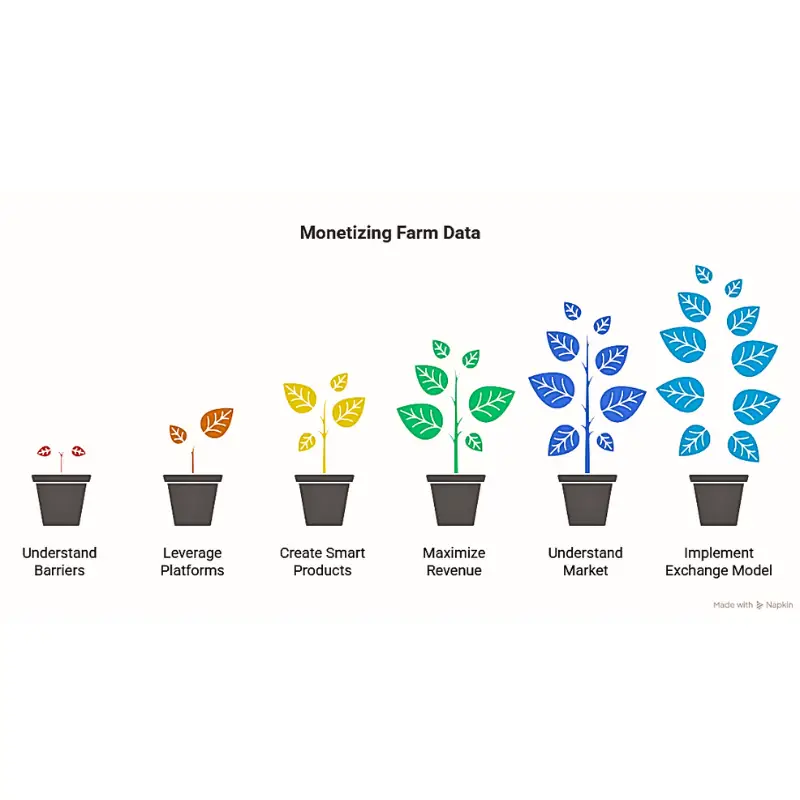
Step 1: Understanding Traditional Insurance Barriers to Farm Data Monetization
Before exploring how to monetize farm data with blockchain, it’s crucial to understand the existing challenges. Currently, the agricultural insurance landscape faces inherent challenges:
Legacy Insurance Models That Limit Data Value
Indemnity-Based Insurance Issues: Primarily, these systems are prone to asymmetric information (adverse selection, moral hazard), requiring costly loss assessments, and struggling with insuring unmeasurable outputs.
Index-Based Insurance Issues: Similarly, these suffer from basis risk (spatial, temporal, design), where simple indices (like rainfall alone) fail to capture the true complexity of farm-level outcomes, consequently potentially leaving farmers unprotected against actual losses (e.g., pest devastation despite adequate rainfall). Additionally, slow payouts (often 60-90 days or more) can also significantly impact a farmer’s liquidity.
Step 2: Leveraging Blockchain Agrodata Platforms to Monetize Farm Data
To overcome these limitations, accessing granular, real-time, multi-layered data from blockchain-powered agrodata trading platforms could offer a powerful solution, simultaneously enhancing both traditional and index-based models:
Converting Farm Practices into Valuable Data Assets
First and foremost, understanding farmer practices through detailed logs of inputs, equipment use, and maintenance status provides deep insight into actual farm management, thereby helping insurers understand accurate risk profiles and reducing adverse selection.
Subsequently, continuous data streams on farmer actions help verify adherence to good practices, effectively monitoring moral hazard. Moreover, analyzing platform data (crop health observations, weather data, pest/disease logs) alongside farmer reports can streamline loss adjustment and help verify claims, potentially slashing fraudulent claims significantly.
For example, in the United States, the application of Geographic Information Systems (GIS) and machine learning in crop insurance has resulted in substantial improvements in fraud detection and prevention.
Specifically, the USDA’s Risk Management Agency has mapped over 36 million Common Land Unit (CLU) boundaries, establishing a digital foundation for precise agricultural monitoring and fraud detection in crop insurance, thus enabling precise yield predictions, rapid claim verification (e.g., hail damage in Colorado), and proactive fraud prevention that has saved taxpayer money and improved claim integrity. Source: Farmonaut
Implementing Automated Blockchain Payouts
Furthermore, as highlighted by research (e.g., Xiong et al.), blockchain enables automated payouts via smart contracts. Importantly, the agrodata platform provides rich, verified data streams for “smart oracles” to feed these contracts.
Consequently, payouts are triggered by sophisticated, validated indices, making insurance more reliable, efficient, and potentially delivered much faster than current practice.
In fact, blockchain-powered crop insurance pilots in Kenya and sub-Saharan Africa have demonstrated that integrating blockchain can reduce the cost of issuing a policy by up to 41%, while farmer premiums decrease by as much as 30%.
Pilot data suggests blockchain-based crop insurance can reduce payout times from months to as little as one week, with future models aiming for near-instant disbursement.
Step 4: Maximizing Revenue Through Data-Driven Insurance Products
Once farmers understand the technical foundation, they can begin maximizing their data’s value through enhanced insurer operations:
Developing Premium Micro-Segmentation Strategies
First, farmers can help develop tailored policies for specific crops, regions, farming systems, or prevalent risks. For instance, they can participate in launching e.g. “Specific Pest Guard” policies for East African maize farmers, combining satellite pest alerts with platform-sourced soil health data to enhance pest management.
Additionally, they can offer sustainability bundles, such as “Climate-Smart” policies, potentially linked to carbon credits for regenerative practices verified through platform data.
Implementing Dynamic, Risk-Based Premium Models
Next, farmers can move towards premiums reflecting real-time, specific risks and mitigating practices. For example, a coffee farmer in Colombia might see premiums drop by 15% after blockchain data confirms verified improvements in soil health.
Furthermore, farmers can utilize risk heat maps, visualizing regional threats (drought zones, pest hotspots) to identify underserved areas or price risk more accurately.
Creating Enhanced Customer Experience Through Data Sharing
Moreover, farmers can market-specific policies based on data-identified needs. They can also provide personalized dashboards showing real-time risk scores, potential premium adjustments based on shared data (e.g., “Sharing your soil data lowered your premium by $X/hectare“), and payout triggers.
Additionally, proactive SMS alerts for impending risks (“High aphid risk detected – activate coverage now?“) can be implemented. Finally, farmers should emphasize the competitive edge (“Our policies use 7 data points, not just rainfall”).
Most importantly, automated payouts via smart contracts fueled by verified data build trust and provide rapid liquidity.
How Farmers Can Monetize Farm Data with Blockchain: Plant Disease Intelligence
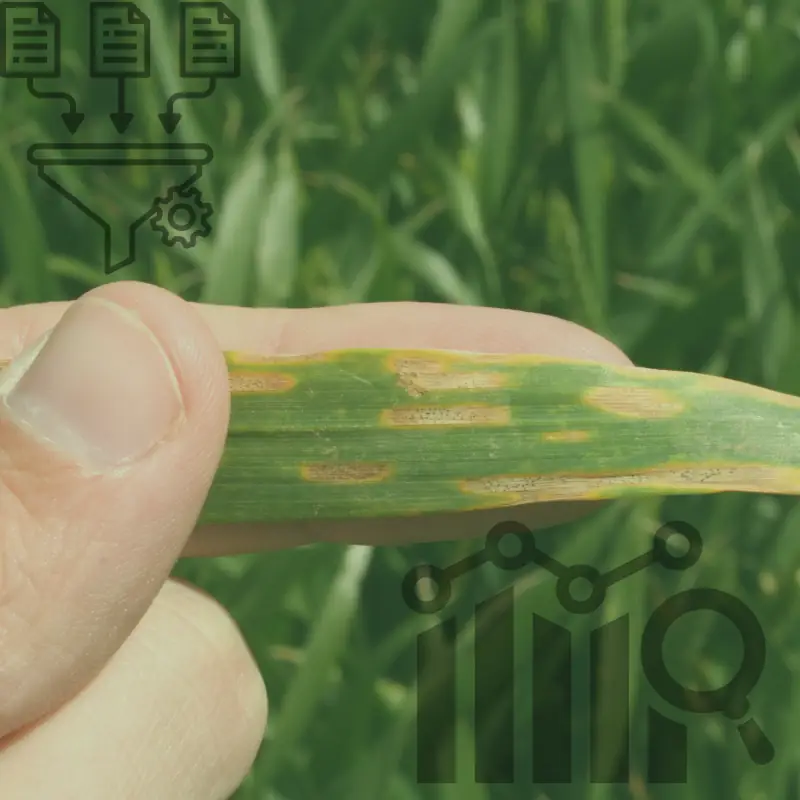
For specialists developing and deploying plant disease diagnostic tools – from lab assays and AI analysis to rapid field kits (RDTs) – consequently, bridging the gap between controlled environments and field reality is paramount.
Historically, the diagnostic landscape relied on analyzing submitted samples, monitoring official outbreak reports, and limited field trials.
Unfortunately, this reactive model struggles with early detection, understanding initial farmer concerns, and validating new technologies at scale, particularly for RDTs, where timely deployment is crucial.
However, when implemented, accessing granular, real-time data from a proposed blockchain-powered agrodata trading platform would offer an epidemiological early warning system and a powerful validation engine, thereby transforming the approach.
Let’s take a closer look at how the plant disease diagnostics industry could benefit from blockchain-powered data access—and what steps they’d need to take if a secure, anonymized farm data marketplace were available today.
Step 1: Understanding Current Limitations in Disease Diagnostic Data Access
Before exploring how farmers can monetize farm data with blockchain for disease intelligence, it’s essential to recognize existing barriers. Currently, diagnostic specialists face several challenges:
Traditional Reactive Diagnostic Models
Typically, the industry operates through:
Sample-based analysis (requiring physical submission)
Official outbreak reports (often delayed)
Limited field trials (small sample sizes)
Consequently, these methods create gaps in early detection and real-world validation, especially for emerging diseases and resistant strains.
Step 2: Creating Blockchain-Powered Disease Surveillance Networks
To address these limitations, farmers could monetize their crop health data through a future blockchain trading platform that would enable real-time disease intelligence sharing:
Implementing Real-Time Disease Monitoring Systems
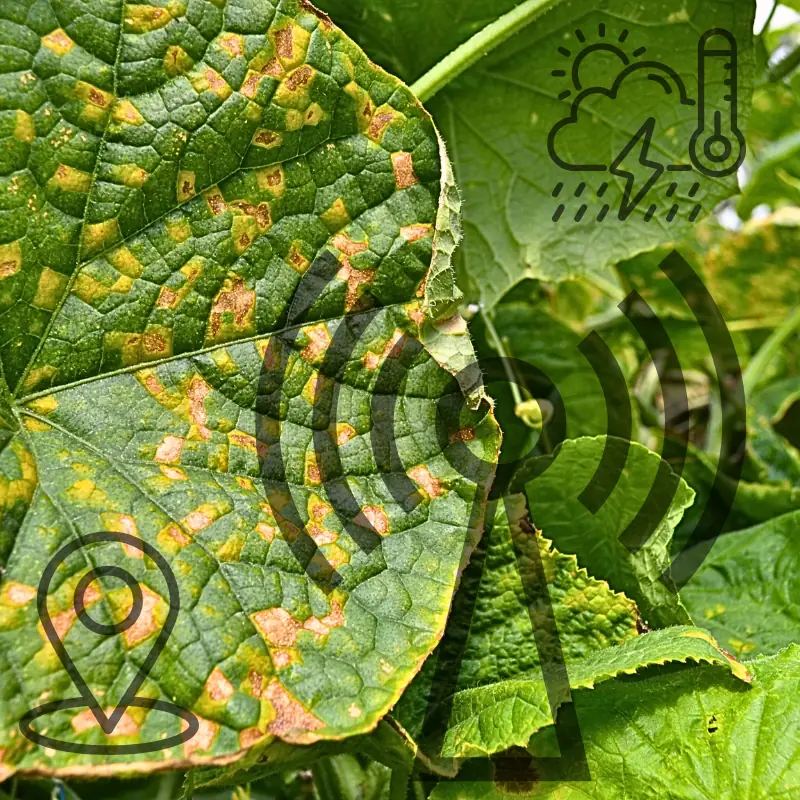
Once operational, such a platform would aggregate farmer-logged Crop Health Observations (specifically the reason/trigger cited for spraying, like “Suspected Downy Mildew” or specific symptoms), combined with GPS Coordinates (if selected) and conducive Environmental Conditions. As a result, this would create near real-time maps of potential disease hotspots.
Furthermore, this system would enable:
Early identification of novel threats or emerging resistant strains
Smart demand prediction, particularly for RDTs
Vector activity tracking (e.g., whitefly reports) to predict demand for virus tests before symptoms peak
Preemptive shipping to predicted hotspots and optimized inventory management
Step 3: Accelerating Research Through Blockchain-Verified Farm Data
Additionally, the proposed platform would revolutionize R&D processes by enabling farmers to monetize farm data with blockchain while advancing disease diagnostics:
Creating AI Training Data Marketplaces
Specifically, farmer-uploaded photos of suspected diseases would provide invaluable training data for diagnostic AI. Moreover, blockchain verification would ensure data authenticity and proper compensation for contributors.
Subsequently, correlating indirect data points (e.g., fungicide choices following suspected diagnoses, environmental conditions during potential RDT use) would provide crucial real-world performance feedback for field kits and assays.
This approach would potentially reveal performance limitations under specific field conditions (such as high temperatures) much faster than lab trials alone.
Identifying Market Gaps Through Data Analytics
Furthermore, analyzing frequently logged symptoms or uncertainties would help identify unmet diagnostic needs, thus guiding the development of relevant new tools, such as:
Combination RDTs for mixed infections
Custom tests for resistant strains
Region-specific diagnostic solutions
Consequently, this data-driven approach would significantly de-risk R&D investments.
Step 4: Developing Targeted Disease Intelligence Markets
Moving beyond traditional approaches, the blockchain platform would enable farmers to create value from their observations while providing diagnostic companies with unprecedented market intelligence:
Quantifying Disease Pressure Economics
Rather than relying on anecdotes, the platform would enable the quantification of actual disease pressure geographically and temporally. Additionally, understanding which treatments farmers apply in response to specific suspected diseases would reveal:
Standard practices and potential misdiagnoses
Economic thresholds for treatment decisions
Fungicide resistance patterns through repeated application monitoring
Enabling Precision Marketing Through Data Insights
As a result, this deep understanding would enable hyper-targeted marketing strategies:
Promoting specific diagnostic tests or RDTs directly into identified hotspots
Timing marketing campaigns during conducive periods
Delivering targeted alerts or offers based on real-time disease pressure
Creating heat maps of “suspected rust” reports correlated with weather and fungicide use
Moreover, this would inform educational content addressing common farmer misidentifications and support strategic partnerships (e.g., co-marketing RDTs with relevant fungicides).
Step 5: Understanding the Economic Potential of Disease Data Monetization
Given the growing market opportunity, the urgency for innovative approaches is apparent:
Market Size and Growth Drivers
Currently, plant diseases cause significant global crop losses ,and consequently, the agricultural diagnostics market is substantial and growing.
The global pathogen or plant disease detection and monitoring industry was valued at $1.76 billion in 2022, and it is expected to grow with a CAGR of 9.68% during the forecast period 2023-2028 to reach $3.03 billion by 2028. Source: Bisresearch This growth is driven by:
Food safety requirements
Precision agriculture adoption
Resistance management needs
Furthermore, rapid, accurate diagnostics reduce unnecessary pesticide use, save costs, and support sustainability goals.
Value Creation for All Stakeholders

In the proposed blockchain ecosystem, value would be created through:
Farmers earning revenue from data sharing
Diagnostic companies gaining real-time market intelligence
Agricultural systems becoming more sustainable through precision diagnostics
Food security improving through faster disease response
Step 6: Implementing Blockchain Disease Intelligence Platforms
To realize these benefits, several implementation steps would be necessary:
Technical Infrastructure Development
First, the platform would require:
Blockchain architecture for secure data trading
Mobile applications for farmer data entry
AI analytics engines for pattern recognition
Integration systems for diagnostic device connectivity
Stakeholder Alignment and Incentive Design
Simultaneously, successful implementation would depend on:
Fair compensation models for farmer data contributors
Quality assurance protocols for data verification
Privacy protection measures for sensitive farm information
Collaborative partnerships between farmers, tech companies, and diagnostic providers
The Bottom Line: Transforming Disease Diagnostics Through Farmer Data Monetization
In conclusion, for the entire plant diagnostic industry, the proposed blockchain agrodata platform would enable a shift from reactive analysis to proactive surveillance, validation and deployment.
It would provide an unparalleled early warning system, vast real-world data sets for improving tools (especially AI and RDT’s), deep insights into farmer needs and practices, and the ability to target diagnostic solution precisely.
As a result, this would accelerate innovation and empower farmers with faster, more accurate tools to protect crops effectively. Imagine if you could spot a devastating crop disease weeks before samples reach the lab, or know precisely where demand for your rapid test will spike next week?
For plant diagnostic providers, granular agrodata would be the microscope needed to see the future of epidemiology, response and targeted solutions. Ultimately, farmers could monetize farm data with blockchain while contributing to a real-time, farmer-powered disease surveillance network.
This would enable diagnostic tool validation with diverse field data, anticipate market needs based on emerging outbreaks, and target diagnostic solution with unparalleled speed and accuracy.
Most importantly, this collaborative approach would create sustainable revenue streams for farmers while advancing global food security through precision disease management.
Pheromone Producers: Monetize Pest Data

The agricultural pheromone industry provides powerful, targeted tools for pest monitoring and mating disruption, consequently forming a cornerstone of Integrated Pest Management (IPM).
For instance, imagine the perspective of a product manager or R&D lead at a company specializing in semiochemical solutions. Typically, their focus is on developing effective lures and dispensers for specific pests, such as the Codling Moth (Cydia pomonella), which ultimately helps farmers reduce their reliance on broad-spectrum insecticides.
Traditionally, success relied on established pest ecology knowledge and often delayed feedback. However, the challenge remained: how to capture the dynamic, localized nature of pest outbreaks and farmer responses in real-time?
Therefore, for the pheromone industry, a proposed blockchain-driven agrodata platform isn’t just a tool—it would potentially be the secret scent trail to smarter, sustainable pest management.
Step 1: Understanding Current Limitations in Pheromone Pest Management
Before exploring how farmers can monetize farm data with blockchain for pest intelligence, it’s essential to recognize existing industry constraints:
Traditional Knowledge-Based Pheromone Strategies
Conventionally, strategies involved targeting known pests, using regional trapping data (often delayed), gathering distributor feedback, collaborating with researchers, and broad marketing based on general crop/pest associations.
While this provided a foundation, unfortunately, it lacked the real-time granularity needed to fully optimize deployment and R&D in response to fluctuating field conditions.
The Gap Between Laboratory and Field Reality

Currently, pheromone companies face several challenges:
Delayed feedback from field performance
Limited real-time pest pressure data
Generalized regional approaches rather than localized strategies
Insufficient validation of actual efficacy in diverse conditions
Consequently, these limitations create opportunities for farmers to provide valuable pest data through blockchain platforms.
Step 2: Creating Blockchain-Powered Pest Intelligence Networks
To address these limitations, farmers could monetize their pest observation data through a future blockchain trading platform that would enable real-time pest intelligence sharing:
Implementing Live Outbreak Monitoring Systems
Step 3: Developing Farmer Data Revenue Streams for Pest Intelligence
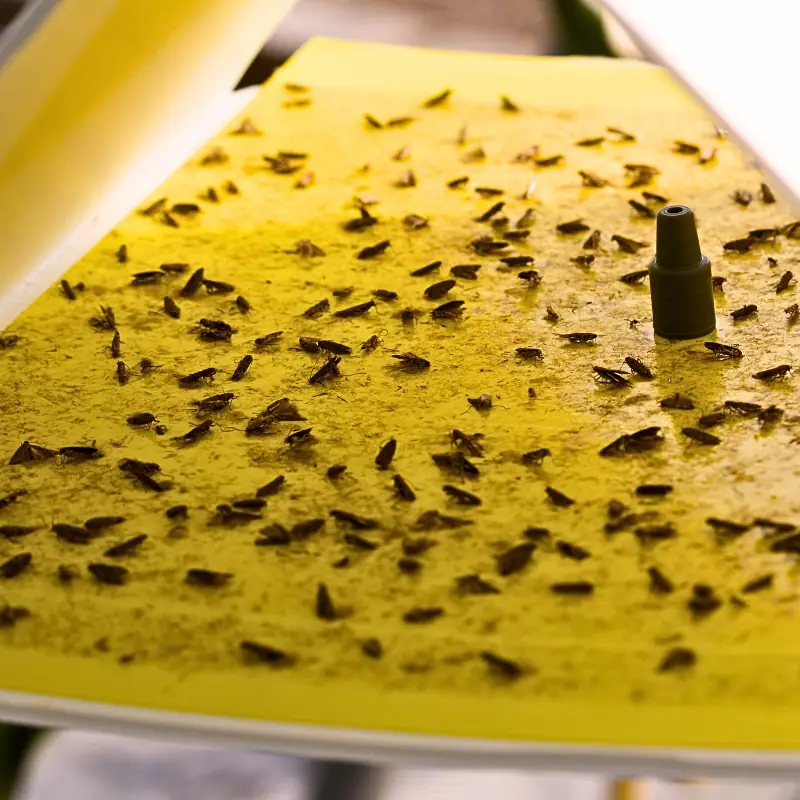
Once operational, the platform would aggregate farmer-logged Crop Health Observations (specifically the target pest cited as the reason/trigger for spraying, e.g., Tuta absoluta, Spodoptera frugiperda, etc.) combined with GPS Coordinates (if selected) to create dynamic, near real-time maps of specific pest pressures. As a result, this would allow for hyper-specific lure development and targeting.
For example, data showing Helicoverpa armigera as the top spray trigger in India’s Punjab region would inform specific pheromone strategies. Moreover, farmers contributing this data would receive compensation for their valuable pest intelligence.
Building Predictive Pest Migration Models
Furthermore, analyzing spatio-temporal patterns in pest reports, correlated with Environmental Conditions (temperature, humidity), would allow for more accurate prediction of emergence, peaks, and migration (such as tracking Fall armyworm (Spodoptera frugiperda) across Africa). This would enable predictive distribution of traps and dispensers to hotspots before peak pressure is reached.
Additionally, timing pheromone releases based on microclimate data could boost efficacy significantly (e.g., by 40%). In this model, farmers providing environmental and pest data would share in the value created by improved pest management solutions.
Building on real-time monitoring capabilities, farmers could create multiple revenue streams by sharing pest-related data through blockchain verification:
Monetizing Pest Observation Data
Specifically, farmers could earn revenue by selling clusters of:
Real-time pest sighting reports with GPS coordinates
Environmental condition data during pest outbreaks
Treatment efficacy feedback for pheromone applications
Photo documentation of pest damage and populations
Subsequently, this data would help identify emerging and niche threats by spotting clusters reporting less common pests or insecticide failures against specific targets (e.g., fruit flies like Bactrocera dorsalis). This intelligence would signal a need for new monitoring tools or updated pheromone blends, potentially indicating the development of resistance.
Step 4: Optimizing Pheromone Performance Through Blockchain Data Analytics
Once comprehensive data collection is established, the platform would enable sophisticated performance optimization:
Environmental Optimization Through Data Integration
By linking reported pest pressures with specific Environmental Conditions, the system would help refine recommendations for dispenser placement, density, and longevity based on real-world factors (heat, wind, UV).
Furthermore, this data could inform the development of smart dispensers using IoT to adjust emission rates.
Additionally, farmers contributing environmental data would benefit from personalized optimization recommendations that could increase their pheromone efficacy while reducing costs.
Demonstrating Sustainability Value
Furthermore, the platform could promote pheromones as “Nature’s GPS” by utilizing data that would potentially show significantly fewer non-target insect deaths compared to broad-spectrum insecticide programs.
This approach would help farmers to monetize their environmental stewardship data while supporting sustainable agriculture initiatives.
Step 5: Driving Innovation Through Farmer-Sourced R&D Data
To accelerate product development, blockchain-verified farmer data would revolutionize pheromone R&D processes:
Prioritizing Development Based on Real Field Needs
The platform would enable companies to identify pests frequently logged by some farmers but lacking effective pheromone solutions (e.g. as Stenoma catenifer in avocado) to direct R&D efforts more effectively.
Consequently, farmers reporting these pest challenges could receive priority access to new solutions and compensation for their market intelligence.
Creating Custom Solutions Through Data Insights
Moreover, real-time pest log data would inform the development of multi-pheromone cocktails for regions with overlapping pest pressures, or enable the design of pheromones for strains showing resistance to conventional controls.
Additionally, this data would guide development of lures with improved stability for specific regional stresses (heat, UV, rain) or dispensers suited for varied application methods (e.g., drone deployment).
Step 6: Implementing Precision Marketing Through Blockchain Pest Data
Finally, the comprehensive data platform would enable unprecedented marketing precision:
Targeting High-Value Opportunities
The system would enable precision promotion by marketing specific pheromone products (e.g., monitoring traps for Drosophila suzukii) directly into regions showing high real-time farmer logs for that pest during critical periods.
Furthermore, farmers in these regions could receive targeted incentives for early adoption of new solutions.
Building Compelling ROI Cases Through Data
By using aggregated data showing reduced insecticide use, higher yields (e.g., pheromone-treated apple orchards seeing 25% higher yields), or lower pest damage (e.g., 33% drop in damage in almond farms) in pheromone-adopting regions, companies could build powerful case studies and ROI arguments.
Additionally, targeting by farmer behavior would help identify and target farmers already using IPM/biologicals or those facing high residue limits. Moreover, farmer education could utilize visualizations like pest migration dashboards or efficacy timelines to demonstrate pheromone value and ROI to potential adopters (e.g., “See how farms near you reduced codling moth damage by X% using pheromones“).
Understanding the Growing Market Potential
Given the expanding opportunities, the shift towards targeted, biological solutions is fueling significant market growth:
Currently, the global agricultural pheromones market is expanding rapidly, valued at USD3.8 billion in 2023, and is projected to reach USD17.9 billion in 2033, growing at CAGR of 16.7 from 2024-2033, according to Allied Market Research.
Furthermore, adoption is surging, particularly in high-value crops and regions with strong environmental regulations (e.g. EU vineyards).
Transforming Pest Management Through Farmer Data Monetization
In conclusion, for the agricultural pheromones industry, granular agrodata from a blockchain platform would enable a pivotal shift from relying on broad ecological knowledge to leveraging dynamic, field-level intelligence.
This would enable companies to accurately map and predict pest pressure, validate and optimize product performance, prioritize R&D effectively, target marketing with precision, and demonstrate the compelling value of sustainable pest control.
By harnessing this data, pheromone companies could accelerate the adoption of IPM and solidify their role in the future of resilient agriculture. Meanwhile, farmers could monetize farm data with blockchain while contributing to more effective pest management solutions.
Currently, monitoring pests with traps tells you where they were. But imagine if you could see—based on thousands of real-time farmer reports—where they are now and where they’re headed next? For pheromone companies, agrodata wouldn’t just be monitoring; it would be predicting the flight path to smarter, proactive pest control.
Ultimately, farmers could monetize farm data with blockchain by mapping pest outbreaks in real-time, optimizing lure timing with microclimate data, validating efficacy, and targeting sustainable solutions precisely where needed. This approach would move beyond broad signals to data-driven, predictive pest management while creating sustainable revenue streams for data contributors.
How Farmers Can Monetize Farm Data with Blockchain: Commodity Trading Intelligence

For a seasoned commodity trader specializing in agricultural markets, consequently, navigating volatile markets requires a blend of macroeconomic analysis, weather interpretation, and intelligence from key production regions worldwide. For instance, let’s consider a lead trader at a multinational trading house focusing on agricultural commodities.
Traditionally, success hinges on anticipating supply shifts and price movements months in advance. However, conventional methods involve analyzing historical data, tracking global weather patterns, relying on often-lagged regional crop reports, and gathering insights from local contacts – ultimately creating a complex puzzle with missing pieces.
Therefore, for commodity traders, a proposed blockchain-powered farmer data platform combined with AI analytical agents isn’t just a tool—it would potentially be the crystal ball turning market volatility into calculated profit opportunities.
Step 1: Understanding Current Limitations in Commodity Market Intelligence
Before exploring how farmers can monetize farm data with blockchain for commodity trading, it’s essential to recognize existing market intelligence constraints:
Traditional Trading Information Gaps

Currently, the conventional toolkit includes:
Historical price data and trend analysis
Global weather models with regional limitations
Official crop forecasts (often released with significant delays)
News and geopolitical analysis (reactive rather than predictive)
Broker reports (based on aggregated, outdated information)
While helpful, unfortunately, these sources typically lack the granular, real-time insight needed to detect critical early warnings of production issues at the farm level.
Particularly concerning are impacts of pests and diseases, which can devastate yields across various commodities (e.g., for example, West Africa loses hundreds of thousands of tons of cocoa to CSSV and Black Pod in severe years, similarly, coffee rust – pictured above can destroy entire harvests in Latin America, and wheat diseases can impact global grain supplies).
The Information Asymmetry Problem
Moreover, traditional commodity trading faces several structural challenges:
Delayed reporting from production regions
Limited ground-truth validation of official statistics
Insufficient early warning systems for disease and pest outbreaks
Fragmented data sources requiring manual synthesis
High costs for on-ground intelligence gathering
Consequently, these limitations create significant opportunities for farmers to provide valuable real-time production data through blockchain platforms.
Step 2: Creating Blockchain-Powered Agricultural Intelligence Networks
To address these market inefficiencies, farmers could monetize their agricultural data through a future blockchain trading platform integrated with AI analytical agents. As illustrated in the proposed ” AgroTrace” dashboard architecture, this system would feature specialized AI monitors working in concert:
Implementing Multi-Stream Data Integration Architecture
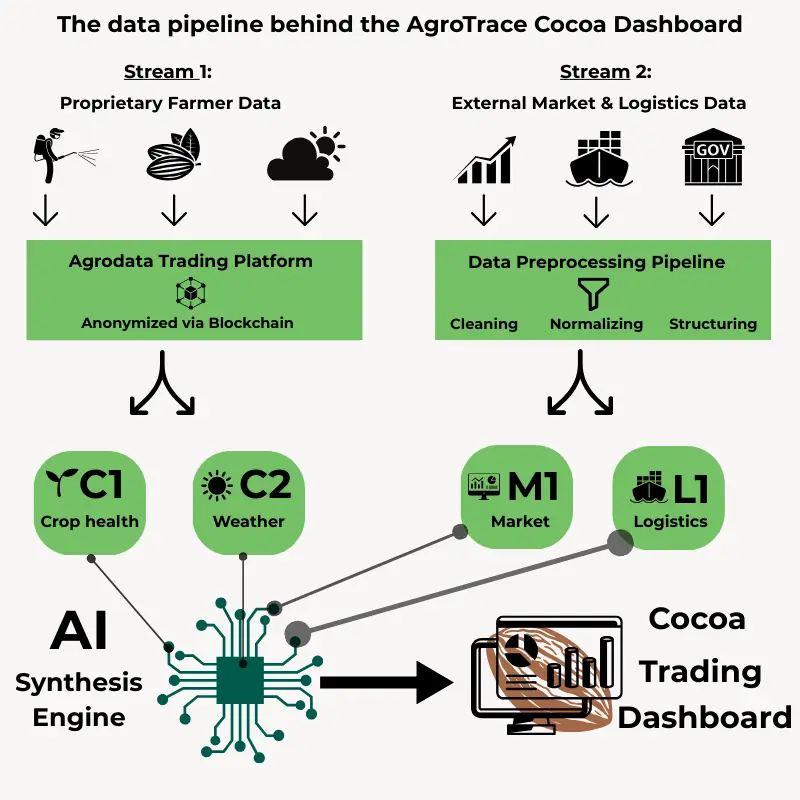
Once operational, the platform would process two primary data streams:
Stream 1: Proprietary Farmer Data (anonymized via blockchain)
Real-time crop health observations with GPS coordinates
Environmental condition monitoring (soil, weather, pest pressure)
Treatment application logs (pesticides, fertilizers, etc.)
Stream 2: External Market & Logistics Data
Market structure analysis (spreads, volatility, open interest)
Shipping and port data (arrivals, delays, capacity)
Government policy updates and trade regulations
Building AI-Powered Analytical Monitor Systems
Subsequently, the integrated system would deploy specialized AI agents, each focusing on critical trading factors:
Agent C1 (Crop Health Intelligence): Specifically monitors growth stages and disease susceptibility across various commodities. For example, it would detect delayed flowering in cocoa regions due to erratic rains, or identify wheat rust outbreaks in major producing areas, thereby signaling potential yield impacts weeks before official reports.
Agent C2 (Environmental Conditions): Simultaneously analyzes soil quality, moisture, rainfall, temperature, and logged treatment applications. Additionally, it correlates environmental stress with disease risk, such as linking excessive rainfall with increased fungal pressure across multiple crop types.
Agent M1 (Market Structure): Furthermore, cross-references decades of price cycles, export patterns, weather phenomena, and geopolitical events to inform trading decisions. Moreover, it models how political instability combined with adverse weather creates compound supply risks.
Agent L1 (Logistics & Policy): Meanwhile tracks port congestion, shipping costs, and regulatory changes that affect commodity flows. This intelligence helps predict supply chain bottlenecks before they impact spot prices.
Step 3: Developing Farmer Revenue Streams Through Real-Time Market Intelligence
Building on the integrated monitoring system, farmers could create substantial revenue streams by contributing verified data that powers commodity trading decisions:
Monetizing Critical Early Warning Data
Specifically, farmers could earn revenue by providing:
Pest and disease outbreak reports with precise timing and location
Treatment efficacy feedback showing resistance patterns
Environmental stress indicators (drought, flooding, temperature extremes)
Phenological observations (flowering, fruit set, harvest readiness)
For instance, using the cocoa market example from the dashboard, Agent C1 would detect a 200% increase in farmer-reported mealybug treatments in border regions.
This intelligence would signal imminent CSSV risk, potentially triggering buy signals weeks before official crop damage assessments.
Creating Performance-Based Data Compensation Models
Moreover, farmers could participate in tiered compensation structures:
Base payments for consistent, verified data submission
Premium bonuses for early disease/pest outbreak reporting
Performance incentives based on data accuracy and market impact
Sustainability premiums for implementing verified best practices
As a result, this creates a virtuous cycle where accurate farm-level intelligence improves both trading outcomes and agricultural sustainability.
Step 4: Optimizing Trading Strategies Through Blockchain-Verified Farm Data
Once comprehensive data flows are established, the platform would enable sophisticated trading strategy optimization across multiple commodity markets:
Implementing Predictive Supply Shock Detection
To illustrate the power of a blockchain-powered farmer data platform combined with AI analytics, let’s explore the “AgroTrace Cocoa Trading Dashboard” — a mockup interface showcasing how real-time, farm-level intelligence can transform commodity trading in practice.
This dashboard integrates multiple streams of data — from proprietary farmer observations on crop health and pest pressures, to weather forecasts, market structure analysis, and logistics information — synthesized by specialized AI agents. Each “monitor” focuses on critical market factors such as disease risk (C1), environmental conditions (C2), market spreads (M1), and port arrivals (L1).
By interacting with the dashboard, traders can quickly access early warning alerts, review detailed analytical reports, and track dynamic market fundamentals, all supported by verified agricultural data. The platform empowers traders to make informed, forward-looking decisions by providing granular, real-time insights previously unattainable with traditional intelligence sources.
As you explore the dashboard, pay attention to how each monitor feeds into a comprehensive market synthesis and tactical trade recommendations. This example highlights the potential for farmers to monetize their data contributions while enabling traders to outperform in volatile commodity markets through precision intelligence.

Turning Farm Data into Trading Advantage
As illustrated in the proposed cocoa trading dashboard, AI agents rapidly synthesize blockchain-verified farm data with real-time market signals—unlocking early-season insights and mid-season forecasts that give traders a decisive edge.
Early Season Intelligence: Agent C1 detects increased pest pressure in key producing regions while Agent C2 confirms conducive environmental conditions. Simultaneously, Agent L1 monitors port logistics for potential bottlenecks.
Mid-Season Synthesis: The system would correlate rising treatment applications with weather patterns and historical outbreak data. Subsequently, it generates probability-weighted yield forecasts weeks ahead of official revisions.
Trading Advantage: This intelligence would enable traders to adjust positions (taking strategic long positions, securing physical supply from lower-risk zones) before broader market recognition. According to market studies, traders using such predictive models have reportedly outperformed peers by significant margins during volatile periods
Developing Dynamic Hedging Strategies
Furthermore, the comprehensive dataset would enable:
Precision contract development tied to verified farm management practices
Risk-adjusted pricing for commodities from different production zones
Enhanced hedging instruments based on real-time disease/weather indices
Sustainability premium products linked to blockchain-verified practices
Step 5: Creating Hyper-Localized Market Intelligence Products
To maximize value creation, the platform would enable unprecedented precision in commodity market analysis:
Building Regional Supply Chain Intelligence
The integrated monitoring system would track supply chain dynamics with granular precision:
Port arrival forecasting based on upstream production data
Quality premium predictions using treatment and environmental logs
Logistics optimization through real-time capacity and delay monitoring
Political risk assessment correlating policy changes with supply disruptions
Enabling Precision Marketing and Risk Management
Moreover, traders could utilize:
Dynamic heat maps showing real-time production risks across regions
Arbitrage opportunities identified through supply chain intelligence
Calendar spread strategies based on localized harvest timing data
Cross-commodity correlations revealing interconnected supply risks
As demonstrated in the AgroTrace dashboard, traders would access live disease pressure maps, yield prediction models, and automated trade signal generation all powered by farmer-contributed blockchain data.
Step 6: Understanding the Expanding Market for Agricultural Data Intelligence
Given the growing volatility in commodity markets, the demand for precision agriculture intelligence continues expanding:
Market Size and Growth Drivers
Currently, global commodity markets represent trillions in annual trading volume, where even small improvements in forecasting accuracy create substantial value. The agricultural sector specifically faces increasing challenges from:
Climate variability affecting traditional production patterns
Emerging pest and disease pressures crossing regional boundaries
Supply chain disruptions requiring adaptive logistics strategies
Regulatory changes impacting trade flows and market access
Value Creation Across Market Participants
In the proposed blockchain ecosystem, value would be distributed among:
Farmers earning direct compensation for data contribution
Traders gaining competitive intelligence advantages
Food companies securing more predictable supply chains
Financial institutions offering enhanced risk management products
Governments improving food security planning capabilities
The Bottom Line: Transforming Commodity Trading Through Farmer Data Monetization
In conclusion, for commodity traders across agricultural markets, AI-analyzed, real-time farm-level data from a blockchain platform would transform trading from a largely reactive discipline into a proactive strategic advantage.
By merging farmer-level production intelligence with environmental monitoring and market structure analysis, traders could avoid supply disruptions, capitalize on hidden trends, and transform agricultural market volatility into calculated profit opportunities.
Meanwhile, farmers could monetize farm data with blockchain while contributing to more efficient global food systems. The agricultural commodity markets whisper their secrets through weather patterns and logistics reports. But imagine if traders could hear farmers’ frontline battles against diseases and pests in real-time, not weeks later through delayed official reports.
As shown in the AgroTrace dashboard architecture, the integration of proprietary farmer data with external market intelligence creates unprecedented analytical capabilities. The four-agent monitoring system (C1: Crop Health, C2: Weather, M1: Market Structure, L1: Logistics) would synthesize diverse data streams into actionable trading intelligence.
Ultimately, farmers could monetize farm data with blockchain by contributing to an AI-powered early warning system that transforms market chaos into calculated opportunities.
This collaborative approach would create sustainable revenue streams for data contributors while advancing global food security through more efficient commodity markets. The future of agricultural trading lies in precision intelligence—and farmers hold the keys to that data kingdom.
The Data Trading Revolution: Why Agricultural Data Could Become the New Digital Gold
For data trading companies and data brokers, the core business revolves around sourcing, aggregating, refining, and selling valuable datasets. Currently, these companies are constantly seeking new, high-value data streams. Consequently, the agricultural sector, with its immense global impact, represents an untapped goldmine waiting to be explored.
Moreover, for data traders, blockchain-powered agrodata wouldn’t just be another commodity—instead, it could potentially become the ultimate high-margin asset. Furthermore, when farmers learn to monetize farm data with blockchain, they create unprecedented opportunities for both themselves and the broader data economy.
Current Agricultural Data Sourcing Challenges: A Fragmented and Costly Reality
The Traditional Data Acquisition Bottlenecks
Traditionally, acquiring agricultural data involves multiple costly and inefficient methods. First, companies must purchase public or government data, which is often significantly delayed. Additionally, they need to license satellite imagery that frequently lacks crucial ground-truth verification.
Partnering with agribusinesses often results in siloed, incomplete datasets. Consequently, companies resort to scraping unreliable web data, which compounds the problem.
The Cost of Incomplete Information
This fragmented approach ultimately means that data traders work with static, incomplete datasets. For example, a trader selling “soil health reports” often lacks access to real-time pH or micronutrient shift data. Similarly, they might purchase bulk pesticide sales reports that are already 6 months out of date, significantly reducing their market value.
Envisioning the Future: How Blockchain Could Transform Agricultural Data Trading
The Proposed Agrodata Marketplace Solution
When fully developed, accessing a blockchain-based agrodata trading platform could provide real-time raw data streams that would revolutionize the industry. Specifically, this platform would include farmer-logged pesticide applications and comprehensive IoT sensor feeds monitoring soil moisture and equipment usage.
Moreover, this system would enable farmers to monetize farm data with blockchain technology while providing data traders with unprecedented access to granular, verified information. Consequently, this represents a significant paradigm shift from current practices.
Revolutionary Data Products: Transforming Raw Agricultural Information into Premium Assets
Enhancing Existing Data Products with Ground-Truth Intelligence
Initially, blockchain-powered agricultural data could dramatically enhance existing geospatial and weather products. Specifically, by overlaying granular, farmer-logged data onto current satellite and weather products, companies could add unprecedented “ground-truth” context.
As a result, clients wouldn’t just see that a field is stressed—instead, they would understand exactly why, because farmers would have logged specific pest occurrences and corresponding applications. Therefore, this level of detail could command premium pricing in the marketplace.
Developing Advanced Predictive Agricultural Analytics
Subsequently, data trading companies could utilize these rich datasets to build sophisticated predictive models. These would include localized yield forecasts, pest and disease outbreak risk assessments, and regional demand predictions for agricultural inputs. Furthermore, the real-time nature of blockchain-verified data would significantly improve model accuracy.
Creating Premium Farm-Level Intelligence Services
Additionally, companies could develop several high-value offerings:
Benchmarking and Comparison Services:
First, offer anonymized benchmarking services that allow farmers to compare their practices
Then, develop premium data bundles combining multiple data sources
Finally, create “Pest Risk APIs” that merge farmer logs, satellite imagery, and weather data
White-Label Solutions:
Moreover, companies could license customizable analytical tools for agrochemical, seed, or food company clients
Consequently, this would create recurring revenue streams while helping farmers monetize farm data with blockchain
Supply Chain Intelligence:
Furthermore, develop supply chain risk and resilience indices based on real-time farm-level events
For instance, a data trader could potentially license live Nigerian cocoa spray logs to a Swiss chocolatier, revealing critical information about pesticide usage patterns
Expanding Market Opportunities: New Client Segments and Revenue Streams
Financial Services Integration
Primarily, refined agricultural datasets could transform agricultural lending risk assessment and commodity price forecasting. Therefore, financial institutions would likely pay premium prices for access to real-time, verified farm data that helps them make better lending decisions.
Retail and Consumer Goods Applications
Similarly, retail and CPG companies could utilize these insights for sustainable sourcing initiatives and crop quality forecasts. Additionally, this information would help them meet increasingly demanding consumer expectations for transparency and sustainability.
ESG and Sustainability Reporting Solutions
Furthermore, companies could aggregate blockchain-verified data to create comprehensive metrics on sustainable farming practices. Consequently, this would address the growing demand for reliable ESG reporting in agriculture.
Strategic Advantages: Why Blockchain-Based Agricultural Data Could Dominate
Operational Efficiency Gains
Most importantly, this approach could potentially offer several key advantages:
Reduced Acquisition Costs: For certain types of granular data, blockchain systems could prove more cost-effective than traditional large-scale field surveys.
Increased Data Velocity: Additionally, companies would gain access to near real-time operational farm data, rather than waiting months for traditional reports.
Competitive Market Positioning
Unique Data Differentiation: Moreover, companies could offer clients datasets that competitors simply cannot match, leading to significantly higher profit margins.
Premium Pricing Power: Reports suggest that traders using live, granular data could potentially see probably 40% or higher margins compared to those relying on traditional, aggregated data resellers.
The Future Vision: Transforming Agriculture Through Data Monetization
The Ultimate Value Proposition
For data trading companies, a fully developed blockchain-powered agrodata platform could serve as the cornerstone for a new generation of agricultural intelligence. Specifically, it would provide the raw, granular, and timely data needed to build high-value analytical solutions.
Furthermore, by ethically sourcing and refining this “digital harvest,” data traders could dramatically enhance their existing offerings while creating entirely new high-demand products. Consequently, this would provide them with significant competitive advantages in the marketplace.
From Raw Data to Refined Intelligence
Ultimately, raw agricultural data represents crude oil in the digital economy. However, once refined, enriched, and properly distributed through blockchain systems, its value increases exponentially. Therefore, when farmers successfully monetize farm data with blockchain, they create value not just for themselves, but for entire supply chains.
Conclusion: Seizing the Agricultural Data Opportunity
In conclusion, imagine being able to sell real-time pest outbreak maps to pesticide manufacturers before the first beetle emerges. Similarly, consider licensing hyperlocal soil health data to seed companies seeking competitive advantages.
Therefore, for forward-thinking data traders, blockchain-powered agrodata wouldn’t just represent another commodity—instead, it could become the ultimate high-margin asset, refined from the digital transformation of farming.
The Data Trader Advantage: Once developed, this system could provide access to unparalleled, real-time, ground-truth agricultural data. Consequently, companies could enrich their existing products, create innovative predictive analytics, and offer clients unique insights into supply chains, risk assessment, and market dynamics that competitors could only dream of achieving.
Meanwhile, farmers who learn to monetize farm data with blockchain would finally receive fair compensation for the valuable information they generate daily, creating a win-win ecosystem that benefits all participants in the agricultural value chain.
Market Research Revolution: How Blockchain Could Transform Agricultural Intelligence Gathering

Market research firms specializing in agriculture currently provide crucial intelligence to agribusinesses, investors, and policymakers. However, their traditional methods face significant limitations that blockchain technology could potentially address.
Consider, for instance, a Director of Agricultural Insights at a leading market research company. Currently, their teams must strive to understand market sizes, adoption rates, farmer sentiments, and emerging trends through painstaking surveys and interviews. Moreover, they often rely on secondary data analysis that frequently lacks the granularity needed for accurate insights.
Consequently, when farmers learn to monetize farm data with blockchain, they could create unprecedented opportunities for market researchers to access real-world agricultural intelligence. Furthermore, this shift could transform how agricultural trends are identified and analyzed.
Current Market Research Limitations: The Challenge of Fragmented Intelligence
Traditional Data Collection Bottlenecks
Presently, agricultural market research relies heavily on several problematic methods. First, farmer surveys prove both costly and sample-dependent, often missing crucial demographic segments. Additionally, expert interviews and focus groups, while valuable, cannot capture the full scope of agricultural activities across diverse regions.
Furthermore, researchers must depend on siloed secondary data sources, including USDA forecasts, distributor invoices, and industry reports. Consequently, this fragmented approach often leads to what industry professionals call “educated guessing games.”
The Cost of Outdated Information
These limitations create significant challenges in accuracy and timeliness. For example, researchers might estimate crop losses using outdated pest models, such as applying 2020 CSSV spread rates to current cocoa farms. Similarly, they may rely on irrelevant historical data—such as using pre-war Ukrainian export data for current Indian wheat market analysis.
Therefore, these inefficiencies not only waste resources but also compromise the reliability of market intelligence that businesses depend on for critical decisions.
Envisioning Blockchain-Powered Market Research: A Direct Window to Agricultural Reality
The Proposed Agrodata Intelligence Platform
When fully developed, a blockchain-based agrodata trading platform could offer market research firms a revolutionary primary data source. Specifically, this system would enable researchers to access real-time, verified agricultural activities directly from farmers who monetize farm data with blockchain.
Moreover, this approach would provide unprecedented scale and accuracy compared to traditional sampling methods. Consequently, researchers could move beyond limited surveys to comprehensive, real-world behavioral data.
Revolutionary Market Intelligence: Transforming How Agricultural Trends Are Discovered
Advanced Market Sizing and Trend Analysis Capabilities
Initially, blockchain-verified data could enable significantly more accurate market sizing. Specifically, researchers could analyze anonymized, aggregated data on actual farmer-logged usage of specific products (identified via OCR technology). As a result, they would obtain precise pictures of market penetration rather than relying on estimates.
Additionally, this system could help identify niche market adoption patterns and track adoption curves in near real-time. Furthermore, researchers could correlate complex factors to understand intricate market relationships—for instance, linking rising fertilizer costs with farmer debt cycles in West Africa.
Deep Behavioral Insights and Predictive Analytics
Subsequently, blockchain-powered data could reveal authentic farmer behavior patterns. Specifically, researchers could understand which products are used together, why certain brands are preferred under specific conditions, and how farmers respond to various pest and disease pressures.
Moreover, they could assess the impact of external factors by correlating farmer activities with weather events, commodity prices, or policy changes. Consequently, this comprehensive view would enable more accurate market predictions.
Enhanced Forecasting Accuracy: Furthermore, AI models trained on real-time, granular agrodata could significantly improve forecast accuracy.
For example, a market research firm could potentially predict Indonesia’s rice shortage eight months in advance by linking delayed urea shipment data to farmers’ logs of stunted crop growth, thereby providing massive value to their clients.
Real-Time Competitive Intelligence
Blockchain-verified data could provide real-time competitor performance insights—which competitor products are being used in the field, under what conditions, and in response to specific challenges. Additionally, researchers could detect shifts away from problematic products faster than traditional survey cycles.
Furthermore, backing findings with large-scale, real-world data could increase report credibility and potentially reduce client churn. Moreover, firms could develop custom research offerings based on specific queries against vast agrodata repositories.
Implementation and Future Vision
Initially, blockchain agricultural data would complement traditional research methods, validating survey results and expanding sample sizes. Subsequently, firms would need to develop new analytical capabilities, including data science teams and AI/ML models for pattern recognition.
Ultimately, this represents a shift from analyzing what happened to predicting what will happen. Instead of lagging indicators, researchers could leverage real-time farmer activities to forecast market changes months in advance.
The Ultimate Advantage: Imagine predicting Brazil’s soybean yield challenges six months early—not through outdated reports, but via live farmer logs revealing fertilizer costs and pest pressures. When farmers monetize farm data with blockchain, they enable market researchers to deliver unprecedented intelligence that transforms agricultural decision-making worldwide.
Conclusion: Market Research Amplified
When farmers monetize farm data with blockchain, they create transformative opportunities for market research firms to move beyond samples and estimates.
This system could enable access to large-scale, real-time, farmer-generated data on usage, practices, and challenges—delivering unparalleled market intelligence and predictive insights that significantly enhance clients’ decision-making capabilities.
From Guesswork to Ground Truth: How Blockchain Could Transform Agricultural Consulting
Independent agricultural consultants serve as trusted advisors who partner with farmers to optimize production and navigate complex agronomic challenges. Currently, their expertise relies heavily on individual observations and localized knowledge.
However, when farmers monetize farm data with blockchain, they could create opportunities for consultants to access real-time, regional agricultural intelligence. Consequently, this would elevate advisory services from educated guesswork to data-driven precision.
Furthermore, imagine walking onto a maize farm and instantly diagnosing yield drops—not just with soil tests, but with real-time data showing pest outbreaks, nutrient gaps, and neighboring farms’ successful treatments. For agricultural consultants, blockchain-powered agrodata could become the ultimate field-side advisor.
Current Consulting Limitations: Working with Fragmented Information
Traditional Consultant Toolkit
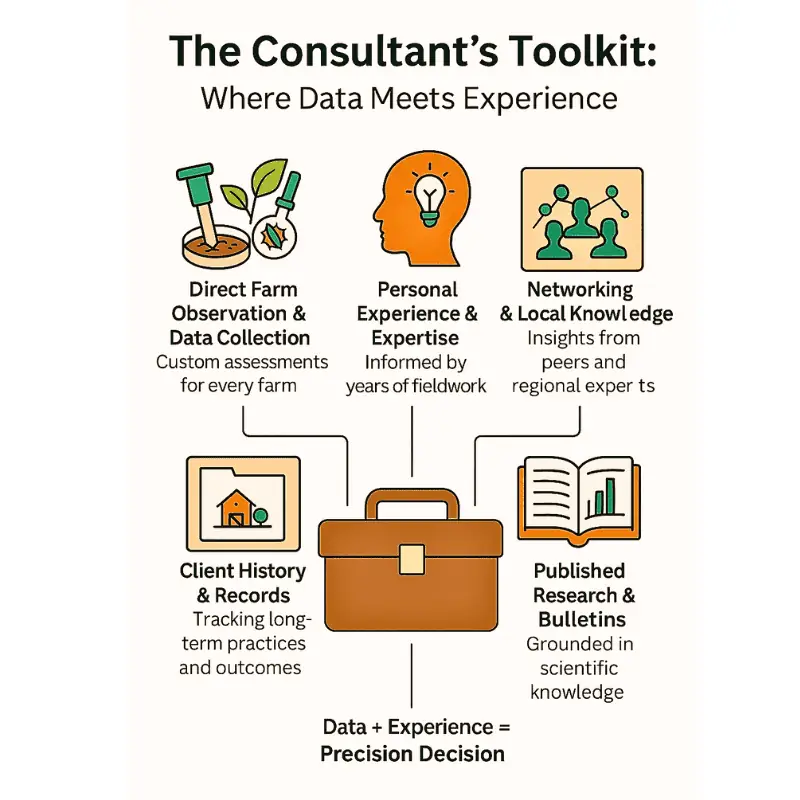
Presently, agricultural consultants rely on several limited information sources:
Direct farm observation through soil tests, tissue analysis, and pest scouting
Client-specific history from individual farm records
Personal experience accumulated over years in the region
Local networking with other consultants and experts
Published research from extension bulletins and academic sources
While valuable, these sources lack the breadth and real-time context that comprehensive agricultural data could provide. Consequently, consultants often work with incomplete information when making critical recommendations.
Blockchain-Enabled Consulting: The Transformation Potential
Traditional vs. Data-Driven Consulting Scenarios
Current Scenario – The Traditional Visit: A consultant arrives at a struggling soybean farm with yellowing plants and empty pods. Using visual inspection and basic soil tests, they must guess between nitrogen deficiency or pest issues. Subsequently, they recommend generic treatments, resulting in modest 10% yield improvements while root causes remain unknown.
Future Scenario – The Blockchain-Enhanced Visit: Before leaving the office, the consultant accesses blockchain-verified data showing:
Soil conditions: pH 5.2 (too acidic for nitrogen-fixing bacteria)
Regional pest patterns: Soybean aphid spikes reported on 8 nearby farms
Historical insights: Previous glyphosate overuse affecting soil health
Consequently, they arrive with targeted solutions: lime application, magnesium supplementation, and aphid-resistant varieties. The result: 35% yield improvement with precise, cost-effective treatments.
AI-Powered Data Processing Behind the Scenes
Importantly, this transformation would require sophisticated AI systems to process vast amounts of agricultural data. Specifically, these systems would:
Aggregate and filter thousands of anonymized farm records and environmental data
Recognize patterns linking symptoms with successful historical treatments
Provide prescriptive analytics based on similar farm profiles in the region
Enable real-time validation through mobile apps that cross-reference live data
Moreover, machine learning models could identify that significant number of similar cases involved specific soil-pest combinations, dramatically improving diagnostic accuracy.
The Human-AI Partnership: Enhanced Intelligence, Not Replacement
Evolving Consultant Roles
Crucially, this technology would augment rather than replace agricultural consultants. Specifically, while AI systems would process thousands of data points in seconds, consultants would:
Interpret AI findings alongside field observations
Select appropriate solutions based on farmers’ specific resources and constraints
Build trust by explaining recommendations face-to-face
Provide context that only human experience can offer
Therefore, consultants would evolve from data gatherers to strategic interpreters of AI-enhanced insights.
Technology Requirements and Implementation
For this vision to become reality, several technological components would be necessary:
Geospatial AI correlating satellite imagery, soil sensors, and farmer logs
Natural language processing analyzing farmer descriptions and converting them to structured data
Predictive modeling using pest lifecycle algorithms and weather data
Edge computing enabling offline field applications for remote areas
Furthermore, when farmers successfully monetize farm data with blockchain, they would provide the foundational information that powers these consulting enhancements.
Transformative Outcomes: Precision Agriculture Advisory Services
Enhanced Diagnostic Accuracy
Most importantly, this approach could dramatically improve consulting effectiveness. Specifically, diagnostic accuracy could improve from approximately 60% (traditional methods) to over 90% (AI-augmented approaches).
Additionally, farmers would receive science-backed prescriptions within minutes rather than waiting weeks for trial-and-error solutions. Consequently, this speed and accuracy would justify premium consulting fees while delivering superior results.
Sustainable Advisory Ecosystem
Furthermore, this system would create a virtuous cycle where:
Farmers receive compensation for blockchain-verified data contributions
Consultants deliver more accurate, valuable advisory services
Agricultural outcomes improve through data-driven decision making
Therefore, everyone benefits when farmers monetize farm data with blockchain, creating sustainable value across the entire agricultural advisory ecosystem.
Conclusion: The Future of Agricultural Consulting
In conclusion, blockchain-powered agricultural data could transform consulting from reactive problem-solving to proactive, precision advisory services. When farmers monetize farm data with blockchain, they enable consultants to provide unprecedented accuracy and value.
The Bottom Line: This represents augmented intelligence, not replacement. AI would handle data complexity while consultants provide essential context, empathy, and agronomic wisdom. Like doctors using MRI scans, consultants would use blockchain-verified data to diagnose problems more accurately, but human expertise would remain crucial for healing agricultural challenges and building farmer relationships.
Beyond Crops: Animal Agriculture as the Next Data Goldmine
While previous chapters focused on crop cultivation, the principles of blockchain-powered data monetization extend powerfully into animal agriculture. From dairy operations and cattle ranching to poultry farms and aquaculture, livestock farmers generate valuable operational data daily.
Furthermore, when farmers monetize farm data with blockchain, they unlock opportunities across diverse agricultural sectors. Consequently, imagine a veterinarian consulting for a dairy cooperative or a nutritionist at a feed company—their success depends on accurate, timely data that has traditionally been siloed and difficult to aggregate.
Therefore, animal agriculture represents an untapped frontier for blockchain-powered data monetization with immense potential value.
The Livestock Data Marketplace: Who Would Purchase Animal Production Intelligence
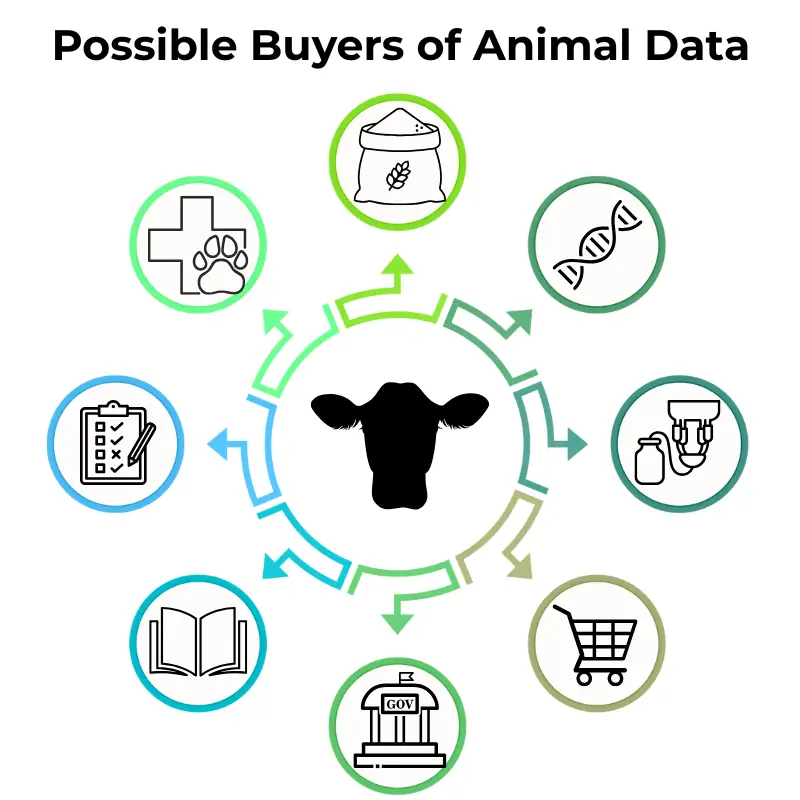
Primary Industry Buyers
Veterinary Pharmaceutical Companies could benefit significantly by tracking real-world efficacy of vaccines and medicines while identifying emerging disease trends to guide R&D investments.
Animal Feed & Nutrition Companies would analyze feed formulation impacts on performance metrics like growth rates, milk yield, and feed conversion under real-world conditions. Additionally, they could identify regional nutritional deficiencies and preferences.
Genetics & Breeding Companies could correlate genetic lines with health outcomes, productivity, and resilience across diverse environments and management systems.
Equipment and Technology Buyers
Equipment Manufacturers producing milking systems, environmental controls, and RFID tags would understand usage patterns, maintenance needs, and system impacts on animal welfare and productivity.
Food Processors & Retailers would gain insights into animal welfare practices, medication usage for residue planning, and sustainable production trends meeting consumer demands.
Regulatory and Research Applications
Government & Animal Health Bodies could monitor disease outbreaks like Avian Influenza in real-time while tracking antimicrobial usage for stewardship programs.
Researchers & Academia would access large-scale, real-world datasets for epidemiological studies and animal science research.
Moreover, Agricultural Insurance Companies could develop more accurate livestock insurance products based on verified health and mortality data.
Explore the Livestock Data Marketplace in Action
The interactive dashboard below demonstrates how farmers could monetize animal production data through blockchain technology. This mockup shows real livestock datasets from dairy cattle, broilers, layers, and swine operations across different regions.
Browse available data clusters by species and region, preview dataset summaries, and see blockchain transaction verification. Try “Sell Your Records” to experience how farmers would list their anonymized health, feed, and performance data for sale.
Each listing shows species type, location, record count, and USDC pricing. Purchased datasets reveal actual treatment records, feed formulations, and health interventions valuable for veterinary pharmaceutical companies, feed manufacturers, and agricultural researchers.
Tip: To explore all available listings, simply click “Filter” without selecting any Species or Region. For specific results, choose a Species or Region (or both!) and then click “Filter” to refine your view. You can also use the “Search keyword” box to find listings by any relevant term.

Livestock Data Marketplace
Buy and sell verified, anonymized health, feed, and performance records from real farm cycles.
Browse Listings| Species | Region | Last Update | Records | Price/Cluster | Action |
|---|
Livestock Data Structure: From Farm Records to Blockchain Assets
Efficient Data Collection Methods
Similar to crop data systems, user-friendly mobile applications could enable farmers to log animal-related information efficiently:
OCR Technology for scanning veterinary medicine vials, vaccine labels, and feed bag tags to capture product names, batch numbers, and expiry dates
Structured Data Entry through simplified forms for treatments, feed changes, breeding events, and production milestones
Voice-to-Log Functionality addressing literacy challenges in various regions
Strategic Data Clustering for Maximum Value
Given longer production cycles in animal agriculture, data could be structured into meaningful clusters:
“Dairy Calf Development (0-6 Months)” focusing on early nutrition, health interventions, and growth rates
“Beef Finishing Phase (Final 120 Days)” detailing feed rations, treatments, and weight gains
“Laying Hen Performance (Week 18-72)” tracking egg production, feed intake, and medication usage
Consequently, this clustering approach creates more targeted and valuable datasets for specific buyer needs while enabling farmers to monetize farm data with blockchain more effectively.
Implementation Challenges and Strategic Solutions
Addressing Unique Livestock Data Challenges
Longer Data Cycles: Unlike annual crops, animal production involves extended timeframes. Therefore, the solution involves offering time-based data clusters (0-6 months, 7-18 months, etc.) that align with natural production phases.
Technology Accessibility: In regions with lower literacy rates, voice-to-log functionality could bridge the digital divide, though this increases app complexity.
Enhanced Privacy Considerations: GPS anonymization should extend to farm level rather than individual animal tracking, protecting farmer privacy while maintaining data value.
Maximizing Value Through Integration
For mixed farming operations combining crops and livestock, integrated blockchain systems could monetize both data streams simultaneously. Furthermore, this unified approach dramatically increases the platform’s value proposition for diversified agricultural operations.
Additionally, large-scale livestock operations could enhance revenue through intelligent data segmentation—breaking extensive datasets into focused clusters by genetics, age groups, nutritional programs, or health interventions.
The Complete Agricultural Data Ecosystem: Maximizing Farmer Revenue
Holistic Farm Data Monetization
The true power emerges when blockchain platforms embrace modern agriculture’s holistic nature. Specifically, mixed farms balancing crop cultivation with livestock operations could monetize comprehensive agricultural data through single, integrated systems.
Moreover, this approach allows farmers to leverage every operational facet for potential revenue generation. Consequently, when farmers successfully monetize farm data with blockchain, they create sustainable income streams from previously untapped information assets.
Strategic Value Creation Through Segmentation
Large livestock operations could significantly enhance revenue through intelligent data segmentation. For instance, extensive cattle ranch data becomes more valuable when broken into specific genetics cohorts, age groups, or health intervention studies.
Therefore, this strategic clustering creates diverse revenue opportunities for larger operations while delivering precise, actionable intelligence to buyers like veterinary pharmaceutical companies, feed specialists, and genetics firms.
Conclusion: Animal Agriculture’s Data Revolution
In conclusion, livestock and animal agriculture represent the next frontier in blockchain-powered data monetization. When farmers monetize farm data with blockchain across both crop and animal operations, they unlock comprehensive revenue potential from their entire agricultural ecosystem.
The Bottom Line: Animal production data offers unique value propositions for diverse buyers while presenting specific implementation challenges that innovative solutions can address. Furthermore, integrated crop-livestock data systems could transform mixed farming operations into comprehensive agricultural intelligence providers, creating sustainable value for farmers while advancing industry knowledge across all agricultural sectors.
Overcoming the Roadblocks: Challenges in Building a Blockchain Agrodata Platform

While the concept of monetizing farm data with blockchain holds immense promise, creating such a platform would face significant technical, regulatory, and adoption challenges. Understanding these obstacles is crucial for anyone considering building or investing in this technology.
Technical Infrastructure Hurdles
Making Diverse Data Work Together
Agricultural data comes from countless sources—soil sensors, weather stations, manual farm logs, equipment readings, and even scanned pesticide labels. A blockchain-based trading platform would need to standardize this chaotic mix of formats, languages, and quality levels into a unified system.
Without proper data standardization, buyers couldn’t compare information across different farms, making the data less valuable. The platform would also need seamless integration with existing farm management software to avoid forcing farmers to manually re-enter data they’ve already collected.
Blockchain’s Scale Problem
Current blockchain networks struggle with speed and cost when handling large volumes of transactions. If every piece of farm data required an on-chain transaction, the system could quickly become overwhelmed and expensive to use.
For example, a single farm might generate thousands of data points daily from various sensors. Multiplied across thousands of participating farms, the blockchain infrastructure would need to process millions of transactions efficiently and affordably—a challenge that would require advanced Layer-2 solutions or alternative blockchain architectures.
Smart Data Storage Solutions
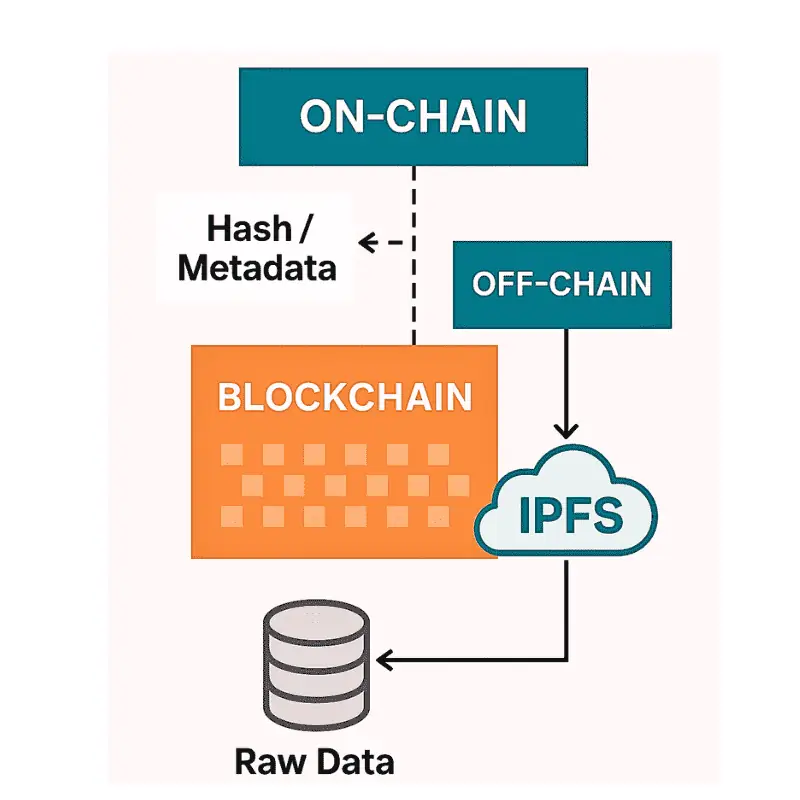
Storing large files like soil test reports or crop images directly on blockchain would be prohibitively expensive. A successful platform would likely use a hybrid approach:
Store only data “fingerprints” (cryptographic hashes) on-chain for verification
Keep actual files in secure off-chain storage systems like IPFS
Maintain the ability to verify data integrity without bloating the blockchain
This approach requires sophisticated technical architecture to ensure data remains accessible, secure, and verifiable.
Real-World Adoption Challenges
The Connectivity Gap
Many agricultural regions, particularly in developing countries, have unreliable internet access. A viable platform would need robust offline functionality, allowing farmers to collect data without connectivity and sync it securely later.
This creates technical challenges around data conflict resolution—what happens when the same data is modified both online and offline before synchronization?
OCR and Data Accuracy
Automatically reading pesticide labels, fertilizer bags, and feed tags through OCR technology remains challenging. Labels may be torn, faded, in different languages, or use various fonts and layouts. Initially, the platform might need human verification loops, increasing costs and complexity.
Poor data accuracy would undermine buyer confidence and reduce the platform’s overall value proposition.
Privacy and Regulatory Compliance
The GDPR Blockchain Dilemma

European data protection laws create a fundamental conflict with blockchain technology. GDPR grants individuals the “right to be forgotten” and requires the ability to modify or delete personal data. However, blockchain’s immutability makes this technically impossible once data is recorded on-chain.
Farm data often contains personal information about farmers, their locations, and business operations. A compliant platform would need creative solutions like:
Storing only pseudonymized references on-chain
Keeping identifiable data in manageable off-chain storage
Implementing sophisticated consent management systems
Using advanced cryptographic techniques like zero-knowledge proofs
Balancing Transparency and Privacy
While buyers want transparent data for verification, farmers may be reluctant to share information that could reveal competitive advantages or financial vulnerabilities. The platform would need granular privacy controls allowing farmers to choose exactly what data to share with different types of buyers.
Cross-Border Complexity
Agricultural supply chains are global, but data protection laws vary dramatically between countries. A platform serving international markets would need to navigate multiple regulatory frameworks simultaneously, adding significant legal and technical complexity.
The Path Forward
These challenges are substantial but not insurmountable. Success would require:
Significant upfront investment in technical infrastructure
Close collaboration with agricultural technology providers
Careful legal framework development
Phased rollout starting with regions having better connectivity
Strong focus on user experience to encourage farmer adoption
The platform that successfully addresses these challenges could unlock billions in value for farmers worldwide. However, the complexity explains why no comprehensive solution exists yet—and why the first successful implementation will likely require substantial resources and expertise.
Understanding these obstacles helps set realistic expectations for timeline and investment needed to monetize farm data with blockchain technology effectively.
Conclusion: The Hidden Harvest – Transforming Agricultural Knowledge into Digital Gold
When a farmer walks through their tomato fields at dawn, checking for signs of blight, adjusting irrigation based on yesterday’s weather patterns, or deciding which organic treatment worked best against last month’s pest outbreak, they’re not just growing tomatoes. They’re cultivating something far more valuable – agricultural intelligence.
The Untapped Goldmine in Every Field
This knowledge, born from years of experience, trial and error, and intimate understanding of local conditions, represents an untapped goldmine in our global food system.
Every spray decision, every successful crop rotation, every animal health intervention contains insights that could revolutionize farming worldwide.
Yet today, this invaluable intelligence dies with each season—locked away in handwritten logs, trapped in individual memory, while world desperately needs these solutions.
How Blockchain Changes Everything
Blockchain technology transforms fleeting agricultural wisdom into permanent, tradable digital assets. It connects the Indonesian rice farmer who solved a pest problem with the Brazilian researcher seeking that exact solution.
It turns the Kansas wheat grower’s drought survival strategies into income streams that flow long after harvest.
The Pioneer’s Advantage
The hidden harvest is real. The farmers who recognize this opportunity first—who begin systematically capturing, verifying, and monetizing their agricultural data—won’t just survive the challenges facing modern agriculture. They’ll thrive while helping feed the world.
The question isn’t whether this transformation will happen. It’s whether you’ll be among the pioneers who make it happen, or among those who wish they had started sooner.
The Hidden Harvest: AI-Generated Insights on Farm Data Monetization

In this 18-minute episode of “The Hidden Harvest,” an AI-generated discussion explores the concept of a proposed blockchain platform that could help farmers monetize their data.
Created using NotebookLM’s audio overview feature, this conversation examines both the potential opportunities and practical challenges of turning farm data into revenue streams.
While the platform discussed is still conceptual, the insights offer food for thought about the future intersection of agriculture, data ownership, and blockchain technology.
Why do we even need blockchain for farm data?
You don’t always need blockchain. A well-run co-op database or ERP can go a long way.
Where blockchain helps is when many different players don’t fully trust each other but still need to share data: farmers, input suppliers, insurers, buyers, regulators, auditors. A distributed ledger makes it hard to quietly change or delete records after the fact.
That’s useful when you’re talking about spray logs, yield data, GLOBALG.A.P. compliance, carbon credits or payout triggers where “who said what and when” really matters.
Think of it as a tamper-evident log book that different stakeholders can rely on. It’s not a magic cure-all, but it can reduce disputes, make audits easier, and give your farm data more weight when you use it for traceability, insurance, or payment claims.
Can I actually make money from my farm data, or is this just tech hype?
Right now, farm data is more like a side hustle than a main crop. On its own, a single season of data from one farm is usually not worth a fortune. But when good data is clean, consistent, and collected over years, buyers can use it to:
Test fertilizers, seeds, biological products or crop protection strategies
Build better weather and yield models
Design climate-smart insurance and finance products
Prove sustainability claims or carbon performance
In most realistic models, farmers get value in three ways:
-
Direct payments or discounts (e.g. data-backed trials, insurance or finance with better rates).
-
Premiums or access to better markets (traceability, sustainability, regenerative agriculture, etc.).
-
Better decisions on-farm (using IoT farming solutions, sensors and agronomy insights that come “bundled” with the data deal).
What kind of farm data is valuable, and who would actually pay for it?
In the guide above we already list likely data buyers: input companies, biologicals and seed firms, insurers, lenders, regulators, auditors, traders, carbon/ESG players, even food brands.
The data they care about depends on the use case, but typically includes:
-
Field-level production data: crops, varieties, planting dates, yields, post-harvest losses
-
Input and practice logs: fertilizers (organic and conventional), biologicals, pesticides, irrigation, tillage, cover crops, vertical gardening systems, mulching
-
Soil and plant health data: soil tests, tissue analysis, disease and pest scouting, sensor readings
-
Climate-smart cultivation and regenerative practices: rotations, cover crops, reduced tillage, compost, agroforestry, water-saving irrigation in vegetable gardening or vertical gardening systems
-
Livestock & manure data (for some buyers): stocking rates, grazing rotations, manure handling
In a blockchain marketplace, this data is usually aggregated and anonymized for analysis, while still letting buyers reward farmers whose data meets their criteria (e.g. certain crops, climates, regenerative agriculture practices, or specific IoT/AgTech setups).
If I put my farm data on a blockchain platform, do I still own it?
Blockchain doesn’t automatically protect your rights—the contract and platform rules do. In a good design:
-
You remain the data owner.
-
You grant specific permissions: who can see what, for how long, and for what purpose.
-
Every data access is logged, so you see who used your data.
In a bad design, you click “I agree” once and effectively give a company a long-term license to mine and resell your information without meaningful benefit to you.
So the key is less “Is it on blockchain?” and more:
-
Can I revoke access later?
-
Can I choose which datasets I share and which I don’t?
-
Do I get a clear share of the value if data is sold or used commercially?
That fear is very real. Detailed farm data, if misused, could be used to:
-
Adjust loan terms
-
Change insurance premiums or eligibility
-
Put pressure on land rentals
-
Benchmark you against other growers without context
Blockchain doesn’t magically prevent that. What it can do is make access visible and auditable—you can see who viewed what and when.
The real protection is:
-
Share data only when you get clear, concrete benefit (cash, discounts, premium access).
-
Prefer anonymized or aggregated sharing when possible.
-
Work through co-ops or data co-operatives that negotiate on behalf of many farmers.
-
Push for data charters or codes of conduct so that data can’t be used in predatory ways.
In other words: your data is an asset. Treat it like you would a harvest contract—know the buyer, know the price, and know the terms.
What do I actually have to do on the farm to start monetizing data?
In practice, the early steps are simple and don’t require Web3 wizardry:
-
Take stock of what you already have
-
Yield maps, planting records, spray/fertilizer logs, soil tests, livestock records, IoT sensor data (if any), climate-smart or organic farming practice logs.
-
-
Move toward consistent digital records
-
It can be as simple as structured Excel sheets or a basic farm app—as long as data is clean, dated, georeferenced where possible.
-
-
Join the right pilots or platforms
-
In your article you explore potential marketplace models. In reality, farmers will likely join via:
-
Co-ops
-
Input supplier programs
-
Insurance/finance products
-
Certification / ESG / carbon programs
-
-
-
Start small
-
Maybe one field, one crop, or one regenerative agriculture block as a test case.
-
See what value comes back (payment, discount, premium, better insight) before scaling.
-
Do I need IoT sensors, drones, or fancy machines to participate?
Not necessarily. Yes, IoT farming solutions (sensors, drones, connected tractors, vertical farming rigs) produce beautiful streams of data—but most farmers don’t start there.
You can begin with:
-
Clean field logs (planting, inputs, practices)
-
Yield and quality data at harvest
-
Simple soil and plant health measurements over time
-
Records needed for GLOBALG.A.P., organic, carbon, or regenerative certifications
Over time, if you want to move deeper into precision agriculture or urban agriculture technology (vertical systems, controlled environment, microclimate data), those tools will create more data you can monetize and use to improve your farm.
The key is structure and consistency, not gadget count.
Can low-connectivity farms still take part?
Continuous connectivity is a genuine barrier for many farms in Africa, Latin America, Asia and remote parts of developed countries.
There are a few ways around it:
-
Offline-first apps: you capture data on a phone or tablet in the field; it syncs to the platform or blockchain later, when you hit coverage.
-
Co-op upload points: individual farmers keep records locally; a co-op office or service provider uploads batches over a better connection.
-
Lightweight data design: only essential data goes on-chain; heavy data (photos, sensor streams) stays off-chain with just fingerprints on the ledger.
Is using crypto or stablecoins the only way to get paid?
No, it’s not the only way—but it can be useful in certain situations (cross-border trade, high-inflation countries, small frequent payouts).
Important distinctions:
-
Volatile crypto (BTC, ETH, etc.): prices can move 10–20% in a day. Risky to hold if you need predictability.
-
Stablecoins (e.g. well-backed USD-pegged tokens): designed to behave like digital dollars.
In a farmer-friendly setup:
-
You would receive stablecoins or an internal platform credit, then
-
Either cash out quickly into local currency (via mobile money, bank, or a trusted exchange), or
-
Use them to pay for inputs or services within an ecosystem.
Safety comes down to:
-
Choosing reputable stablecoins and wallets
-
Using 2FA and basic security hygiene
-
Not holding more crypto exposure than you can afford to lose
How is this connected to sustainability, climate-smart and regenerative agriculture?
Climate-smart cultivation and regenerative agriculture generate exactly the kind of data buyers are now hunting for:
-
Soil organic matter trends
-
Cover crop use
-
Reduced tillage
-
Biological inputs vs synthetic
-
Water-use efficiency in vegetable gardening or vertical gardening systems
-
Biodiversity and pollinator-friendly practices
Blockchain can help package and verify these practices as:
-
Carbon credits or ecosystem service tokens
-
Verified sustainability stories for food brands
-
Evidence for organic, GLOBALG.A.P. and regenerative labels
That links your farm’s plant/soil health data, sustainable farming, organic farming and AgTech innovations to real commercial buyers: food companies, ESG-focused investors, carbon markets and retailers looking for trustworthy climate-smart suppliers.
Will a blockchain-based system work with my current farm software, audits and certifications?
The worst outcome would be “yet another system” where you re-enter everything. The better direction is:
-
Connectors and APIs that pull data from:
-
Farm management software
-
OEM platforms (tractors, drones, sensors)
-
Co-op or packhouse databases
-
Certification logs (GLOBALG.A.P., organic, fair-trade, etc.)
-
On top of that, blockchain acts as a verification and transaction layer:
-
Who uploaded what?
-
Who verified it (auditor, lab, co-op)?
-
Who paid for access?
-
If a platform can’t import/export basic formats (CSV, Excel, ISO-XML) or connect to existing systems, be cautious. Integration is part of respecting farmers’ time.
How do I spot scams and bad “agri-crypto” projects before I get burned?
Sadly, the combination of “farmers + crypto” attracts scammers. Red flags include:
-
Guaranteed high returns or “risk-free” yields on tokens
-
Anonymous or untraceable teams
-
No real farm or agribusiness partners—just slick marketing
-
Pressure to invest quickly or buy tokens up front
-
No clear explanation of who the real data buyers are and how revenue actually flows back to farms
Green flags:
-
Partnerships with known ag players, co-ops, NGOs or research institutes
-
Small, transparent pilots where farmers don’t pay to join
-
Clear, boring business logic (who buys the data, why, how pricing works)
-
Contracts that explicitly state farmer retains data ownership and can exit
Isn’t blockchain bad for the environment?
The concern comes from older, energy-hungry chains like Bitcoin that use proof-of-work mining. Most agricultural and urban agriculture technology projects today are built on:
-
Proof-of-stake or consortium chains (similar energy use to normal cloud servers)
-
Or hybrid systems where only small “fingerprints” of data are on-chain
So you can absolutely design a system where the energy footprint of each transaction is tiny—far less than running a diesel pump for a day—and the environmental gains from better data, less waste, smarter irrigation, and verified regenerative practices far outweigh the digital cost.
I’m interested but cautious. What’s a realistic next step for my farm?
You don’t need to jump straight into tokens and smart contracts. A sensible path is:
-
Tidy your data house
-
Decide what you’re already tracking (crops, inputs, soil health, vertical gardening systems, livestock, etc.).
-
Move the most important logs into a consistent digital format.
-
-
Pick one or two use cases that could genuinely help you:
-
Better insurance
-
Easier audits
-
Access to sustainability-linked premiums
-
Participation in trials for new biologicals or regenerative practices
-
-
Watch for practical pilots, not just whitepapers:
-
Programs run through co-ops, input suppliers, or credible AgTech providers.
-
Projects where farmers don’t have to pay up front and can start small.
-
-
Keep reading and asking hard questions
-
This article is designed to be that bridge: it explains who might pay for farm data, why, and where risks sit—so you can walk into any proposal with your eyes open.
-
If you treat farm data like any other farm asset—protect it, price it, and only sign contracts you understand—you’ll be in a strong position when real, farmer-friendly agrodata marketplaces finally switch on.